
Scheppach SG1600i
Scheppach Inverter Gasoline Generator SG1600i User Manual
Model: SG1600i
1. Introduction
This manual provides essential information for the safe and efficient operation, maintenance, and troubleshooting of your Scheppach Inverter Gasoline Generator SG1600i. Please read this manual thoroughly before operating the generator and keep it for future reference.
The Scheppach SG1600i is a compact and lightweight inverter generator designed to provide reliable power for sensitive electronic devices, power tools, and other electrical equipment. Its inverter technology ensures a stable power output, making it suitable for a wide range of applications.
2. Safety Instructions
Always prioritize safety when operating the generator. Failure to follow these instructions can result in serious injury or damage to the equipment.
- Carbon Monoxide Hazard: Never operate the generator indoors or in poorly ventilated areas. Exhaust fumes contain carbon monoxide, a colorless, odorless, and deadly gas.
- Fire Hazard: Gasoline is highly flammable. Refuel in a well-ventilated area with the engine off and cool. Do not smoke or allow open flames near the generator.
- Electrical Shock Hazard: Do not operate the generator in wet conditions. Ensure all connections are secure and dry. Always ground the generator properly.
- Hot Surfaces: The engine and muffler become very hot during operation and remain hot for some time after shutdown. Avoid contact to prevent burns.
- Children and Pets: Keep children and pets away from the generator during operation.
3. Product Overview
Familiarize yourself with the components of your SG1600i generator.

Figure 3.1: Front view of the Scheppach SG1600i Inverter Generator, highlighting its compact design and control panel.
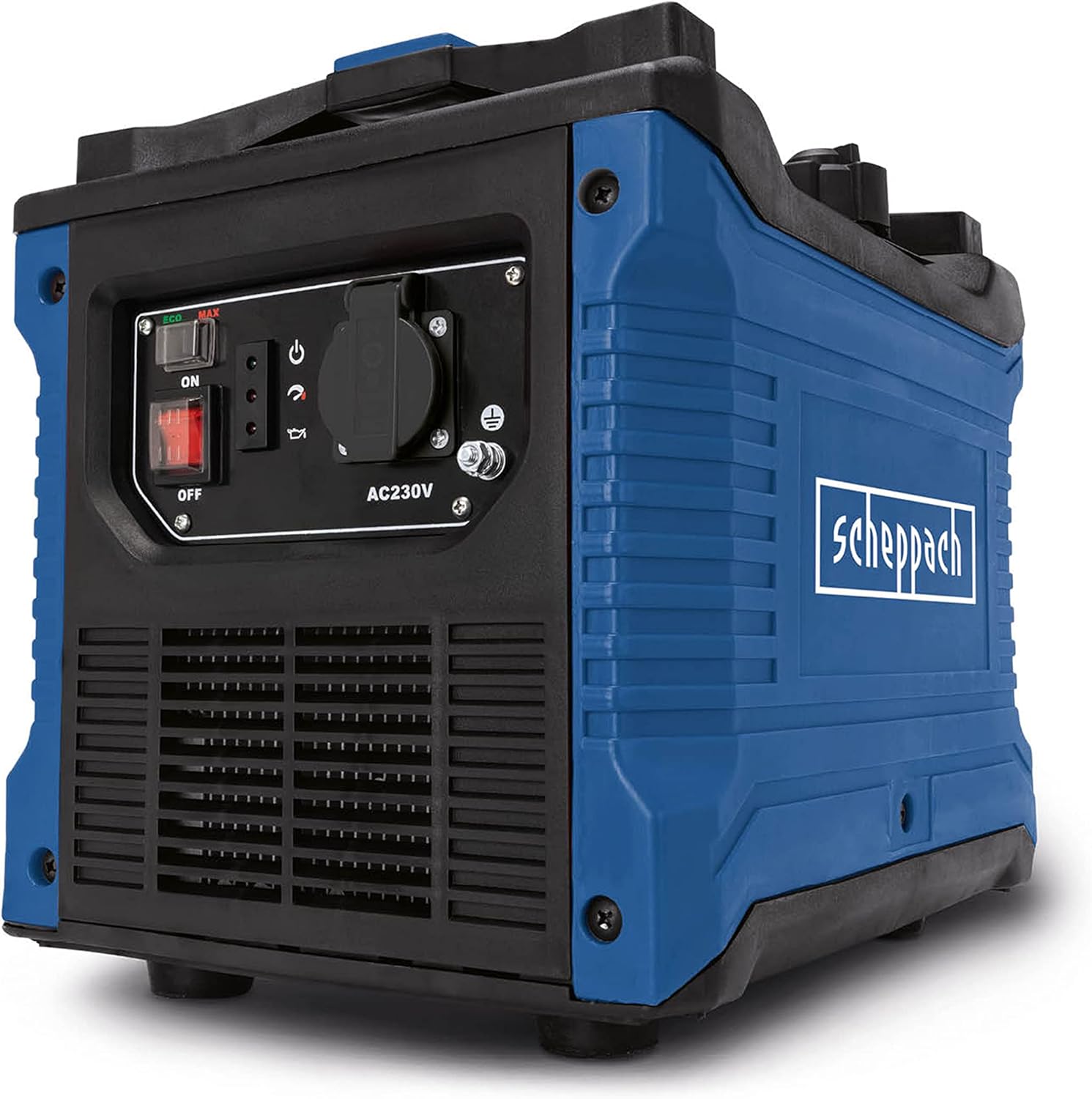
Figure 3.2: Close-up of the control panel, showing the ON/OFF switch, AC230V outlet, and indicator lights for ECO mode, overload, and oil protection.

Figure 3.3: View of the fuel cap and the choke lever, essential for starting the engine.
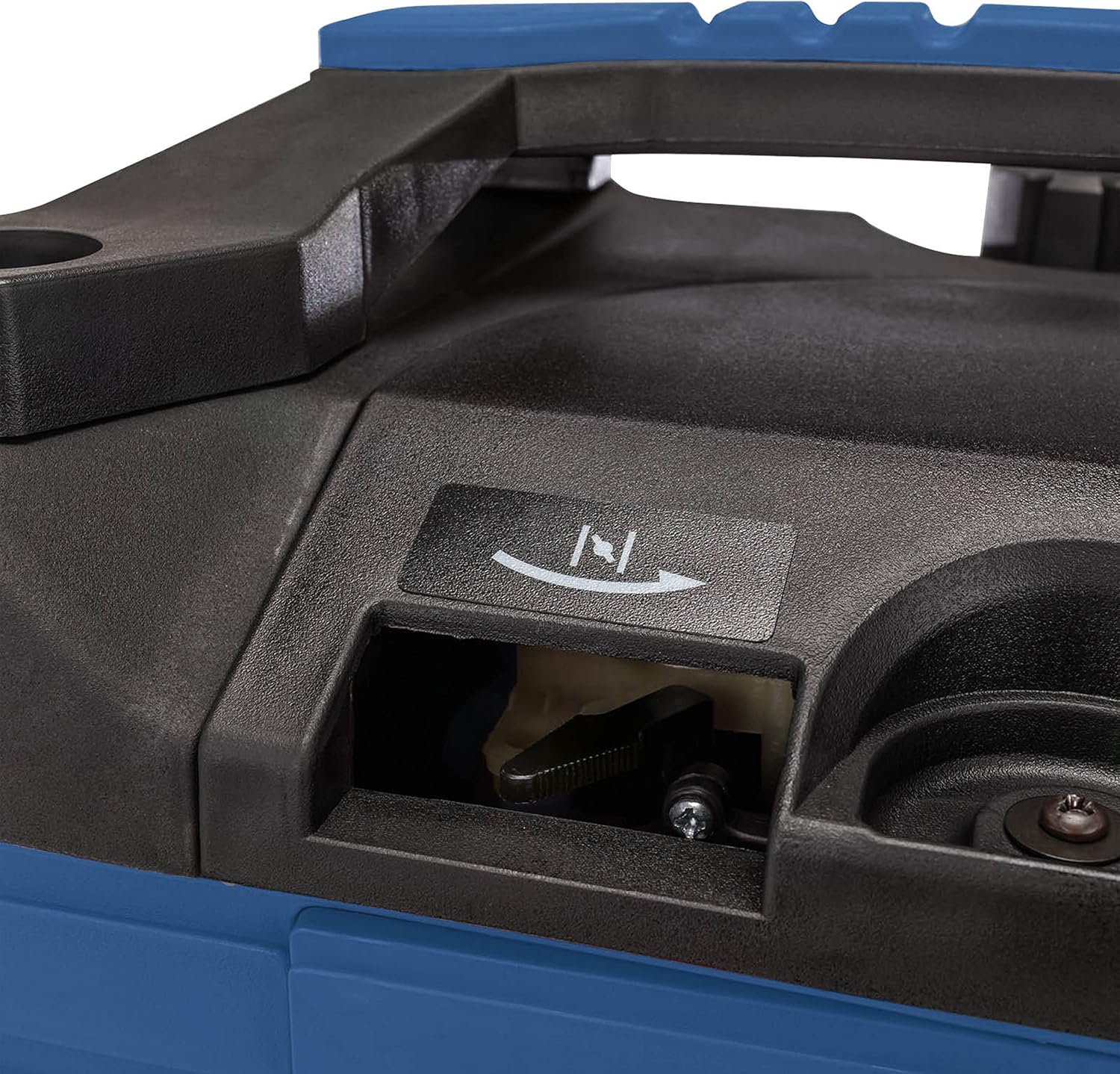
Figure 3.4: The generator's approximate dimensions: 50cm (length) x 50cm (width) x 28cm (height), illustrating its compact size.
4. Setup and First Use
Before starting your generator for the first time, follow these steps carefully:
- Unpacking: Remove the generator from its packaging and inspect for any shipping damage. Ensure all components listed in the packing list are present.
- Add Engine Oil: The generator is shipped without engine oil. Locate the oil fill cap/dipstick (often near the bottom or side, as noted in customer reviews, it might be in a less accessible spot). Fill with approximately 0.25 liters of 10W-30 or 15W-40 engine oil. Do not overfill. The oil level should be checked before each use.
- Add Fuel: Open the fuel cap (Figure 3.3) and fill the fuel tank with fresh, unleaded gasoline. The tank capacity is 4.1 liters. Do not overfill and ensure the cap is securely tightened.
- Grounding: Connect a grounding wire from the generator's grounding terminal (visible near the AC230V socket in Figure 3.2) to a suitable earth ground.
5. Operating Instructions
Follow these steps to start and operate your generator:
- Preparation:
- Place the generator on a firm, level surface outdoors, away from windows, doors, and vents.
- Ensure the fuel valve is in the "ON" position.
- If the engine is cold, move the choke lever (Figure 3.3) to the "CHOKE" position. If warm, move to "RUN".
- Starting the Engine:
- Turn the engine switch (Figure 3.2) to the "ON" position.
- Grasp the recoil starter handle firmly and pull it slowly until resistance is felt, then pull quickly and smoothly. Repeat until the engine starts.
- Once the engine starts, slowly move the choke lever to the "RUN" position.
- Connecting Electrical Devices:
- Allow the engine to warm up for a few minutes.
- Plug your electrical devices into the AC230V outlet (Figure 3.2). Ensure the total wattage does not exceed the generator's rated output (1000W continuous).
- Eco Mode: The generator features an ECO mode switch (Figure 3.2). When activated, the engine speed automatically adjusts to the load, reducing fuel consumption and noise. For sensitive electronics or light loads, use ECO mode. For maximum power, switch ECO mode off.
- Stopping the Engine:
- Disconnect all electrical devices.
- Turn the engine switch to the "OFF" position.
- Turn the fuel valve to the "OFF" position.
6. Maintenance
Regular maintenance ensures the longevity and optimal performance of your generator. Always turn off the engine and allow it to cool before performing any maintenance.
- Engine Oil: Check the oil level before each use. Change the oil after the first 20 hours of operation, and then every 50 hours or annually, whichever comes first. Refer to the specific instructions in the full manual for oil draining and refilling.
- Air Filter: Clean the air filter element every 50 hours or more frequently in dusty conditions. Wash in warm, soapy water, rinse, and allow to dry completely before re-oiling lightly with engine oil.
- Spark Plug: Inspect the spark plug every 100 hours. Clean or replace if necessary. Ensure the gap is correct according to specifications.
- Fuel System: If storing the generator for an extended period (more than 30 days), drain the fuel tank and carburetor to prevent fuel degradation and carburetor clogging. Alternatively, use a fuel stabilizer.
- General Cleaning: Keep the generator clean and free of dirt and debris. Use a damp cloth to wipe down exterior surfaces. Do not use high-pressure water.
7. Troubleshooting
This section addresses common issues you might encounter with your generator.
| Problem | Possible Cause | Solution |
|---|---|---|
| Engine does not start | No fuel; Engine switch OFF; Choke incorrect; Low oil level; Spark plug issue. | Add fuel; Turn engine switch ON; Adjust choke; Add oil (check oil protection indicator); Inspect/replace spark plug. |
| No power output | Overload; Circuit breaker tripped; Device faulty. | Reduce load (check overload indicator); Reset circuit breaker; Test device on another power source. |
| Engine runs rough or stalls | Stale fuel; Clogged fuel filter/carburetor; Dirty air filter. | Drain and refill with fresh fuel; Clean/replace fuel filter; Clean air filter. |
| Overload indicator light on | Connected devices exceed generator capacity. | Disconnect all devices, turn off generator, restart, and reconnect devices one by one, ensuring total load is within limits. |
| Oil protection indicator light on | Engine oil level is too low. | Turn off the engine immediately and add recommended engine oil to the correct level. |
If problems persist after attempting these solutions, please contact qualified service personnel.
8. Specifications
| Feature | Specification |
|---|---|
| Model | SG1600i |
| Engine Type | 53.5 cm³ Air-cooled 4-stroke gasoline engine |
| Max. Output Power | 1020 W |
| Rated Output Power | 1000 W |
| Voltage | 230 V~ |
| Frequency | 50 Hz |
| Fuel Type | Unleaded Gasoline |
| Fuel Tank Capacity | 4.1 Liters |
| Fuel Consumption (2/3 load) | 0.68 L/h |
| Run Time (2/3 load) | 5.9 hours |
| Oil Type | 10W-30 or 15W-40 |
| Oil Capacity | Approx. 0.25 Liters |
| Dimensions (L x W x H) | 50 x 50 x 28 cm |
| Weight | 13 Kilograms |
| Special Features | Inverter Technology, Air-cooled, ECO mode, Overload protection, Oil protection indicator |
9. Warranty and Support
For information regarding the product warranty, please refer to the warranty card included with your generator or contact Scheppach customer service directly. Keep your purchase receipt as proof of purchase for warranty claims.
For technical support, spare parts, or service inquiries, please contact the manufacturer or your authorized dealer. Contact information can typically be found on the Scheppach official website or in the original product documentation.
Related documentsSG1600i


Ask a question about this manual
Ask about setup, troubleshooting, compatibility, parts, safety, or missing instructions. Manuals+ will review the question and use this page’s manual context to help answer it.