
Introduction
This manual provides essential instructions for the safe and effective operation, setup, and maintenance of your PNBO 0.5 Ton Manual Arbor Press. Please read this manual thoroughly before using the machine to ensure proper function and to prevent injury or damage. Retain this manual for future reference.
Safety Instructions
Always observe the following safety precautions when operating the arbor press:
- Read the Manual: Understand all instructions and warnings before operation.
- Wear Personal Protective Equipment (PPE): Always wear safety glasses or a face shield to protect against flying debris. Gloves are recommended for handling workpieces.
- Secure the Workpiece: Ensure the workpiece is stable and properly supported on the anvil plate before applying pressure.
- Stable Mounting: Mount the arbor press securely to a workbench or pedestal using the pre-drilled holes to prevent tipping or movement during operation.
- Avoid Overloading: Do not exceed the 0.5 ton (1000 lbs) pressure capacity of the press. Overloading can damage the machine and cause injury.
- Keep Hands Clear: Never place hands or fingers between the ram and the anvil or workpiece while operating the press.
- Inspect Before Use: Check the press for any signs of damage, loose parts, or wear before each use. Do not operate a damaged press.
- Clean Work Area: Keep the work area clean, well-lit, and free from clutter to prevent accidents.
- Proper Storage: Store the press in a dry, secure location when not in use.
Product Overview
The PNBO 0.5 Ton Manual Arbor Press is designed for various pressing applications. Familiarize yourself with its main components:

Figure 1: Main components of the PNBO 0.5 Ton Manual Arbor Press, including the ram, lever arm, adjusting rack clearance, indenter bore, 4-position steel anvil, and mounting holes. Also shown are flat, pointed, and round drifts.
- Ram: The vertical moving component that applies pressure. It features a rack for engagement with the pinion.
- Lever Arm: Used to manually operate the ram, applying force to the workpiece.
- Adjusting Rack Clearance: Allows for fine-tuning the fit and movement of the ram.
- Indenter Bore: A hole at the bottom of the ram for attaching various tools or drifts.
- 4-Position Steel Anvil: A movable and replaceable plate with four different slot positions to accommodate various workpiece shapes and sizes.
- Base: The sturdy foundation of the press, featuring pre-drilled holes for secure mounting.
- Drifts: Included accessories (flat, pointed, round) for specific pressing tasks.

Figure 2: The ram features a heat-treated rack and pinion system for solid, durable, and anti-wear operation. The ram is also reversible for increased versatility.
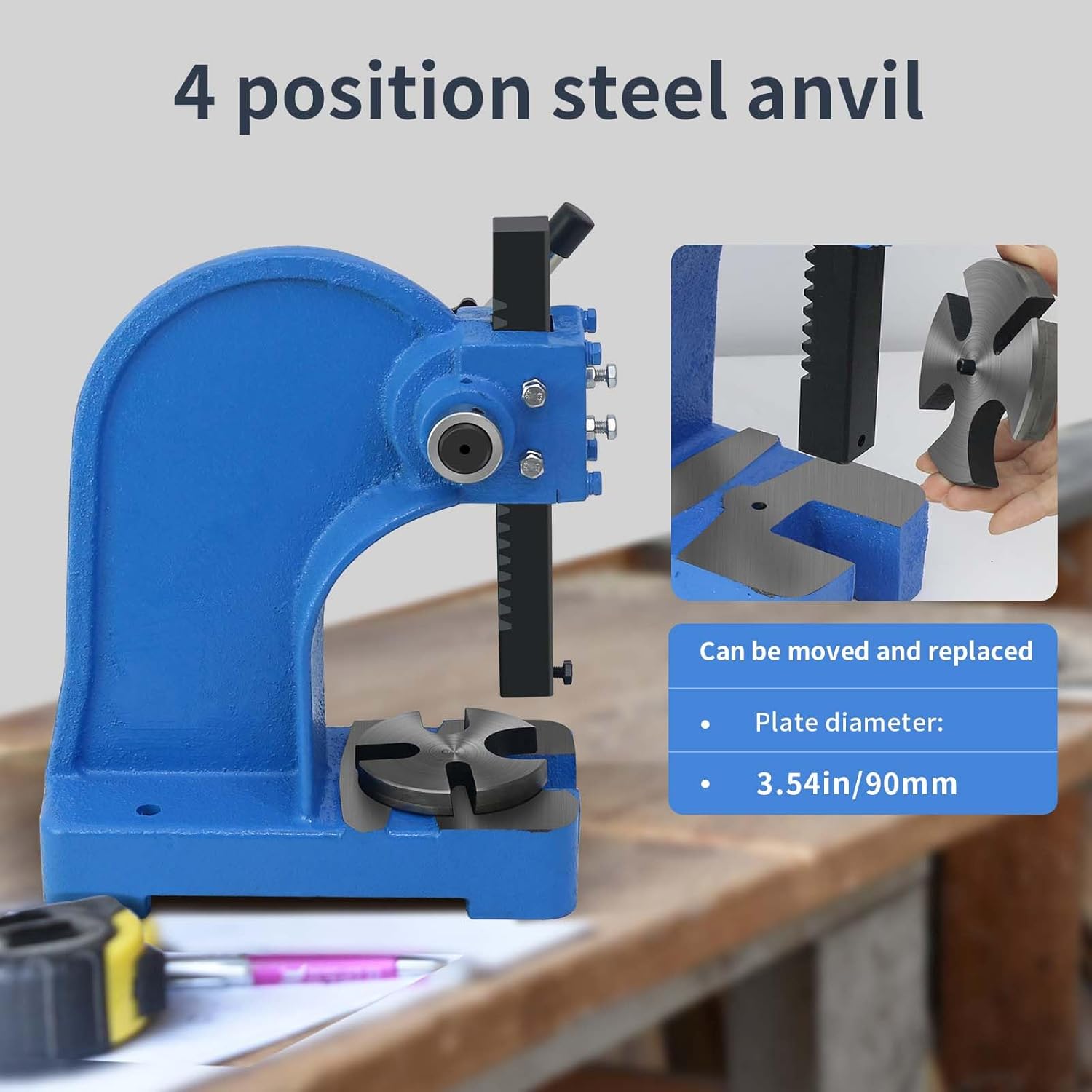
Figure 3: The 4-position steel anvil is movable and replaceable, with a plate diameter of 3.54 inches (90mm), allowing for diverse pressing applications.
Specifications
Key technical specifications for the PNBO 0.5 Ton Manual Arbor Press:

Figure 4: Detailed dimensions and specifications of the PNBO 0.5 Ton Manual Arbor Press.
| Feature | Specification |
|---|---|
| Model Number | 0.5 T Arbor Press |
| Pressure Capacity | 0.5 Ton (1000 lbs) |
| Maximum Working Height | 4.48 inches (114 mm) |
| Material | Cast Iron, Alloy Steel |
| Item Weight | 20 lbs (9 kg) |
| Overall Dimensions (L x W x H) | 9.2 x 6.4 x 11.1 inches |
| Ram Dimensions | 0.75 x 0.75 x 7.1 inches |
| Throat Depth | 3.2 inches |
| Anvil Plate Diameter | 3.54 inches (90 mm) |
| Operation Mode | Manual |
Setup
1. Unpacking and Inspection
- Carefully remove all components from the packaging.
- Inspect the arbor press for any shipping damage or missing parts. Contact customer support immediately if any issues are found.
- Clean any protective oils or debris from the press using a clean cloth.
2. Mounting the Press
For safe and stable operation, the arbor press must be securely mounted to a sturdy workbench or pedestal.
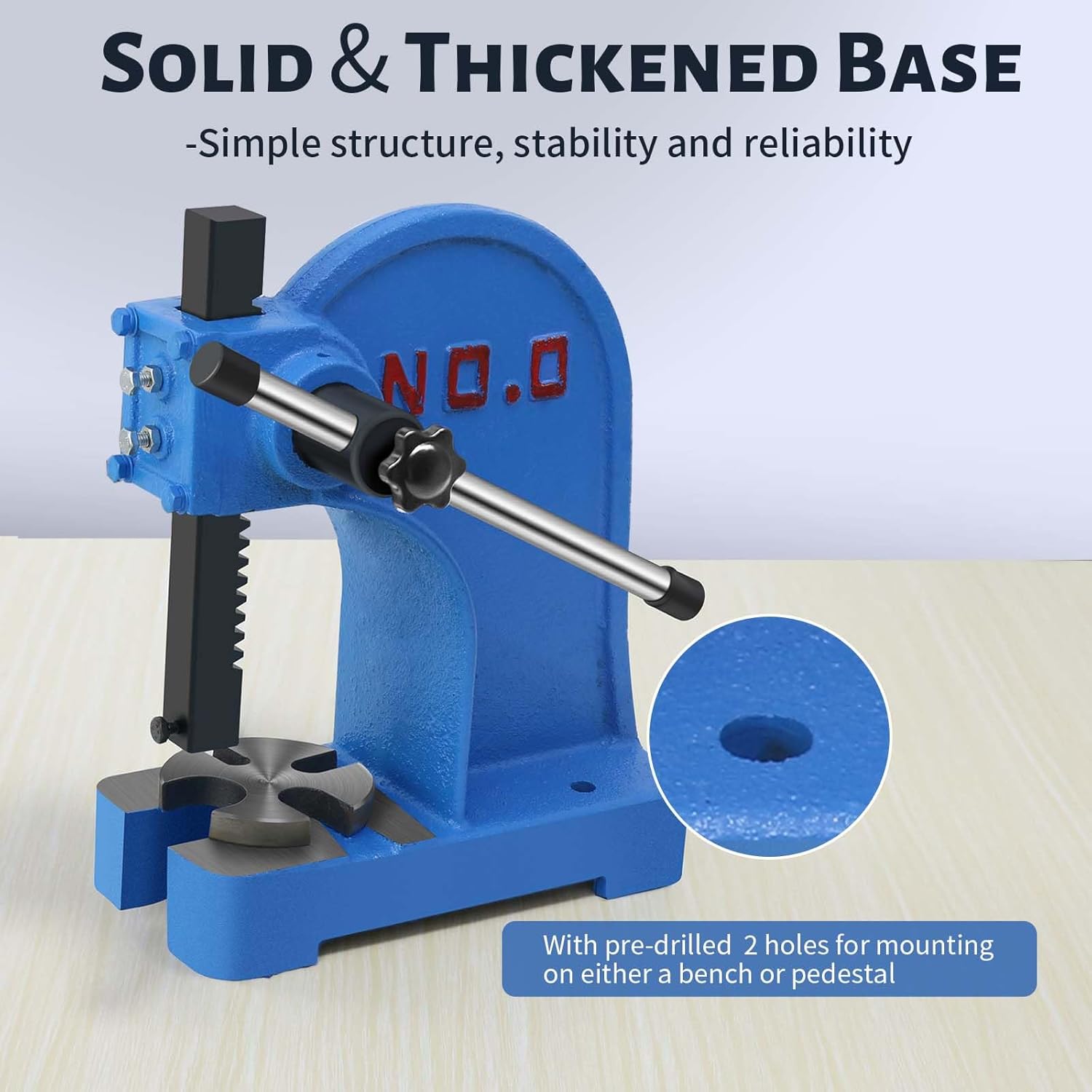
Figure 5: The solid base features pre-drilled holes for secure mounting to a workbench or pedestal.
- Position the press on your desired mounting surface.
- Mark the locations for the mounting holes on the workbench/pedestal.
- Drill appropriate pilot holes if necessary.
- Secure the press using suitable bolts, washers, and nuts (not included) through the pre-drilled holes in the base. Ensure all fasteners are tightened securely.
3. Anvil Plate Adjustment
The 4-position steel anvil can be rotated or removed to suit your workpiece.
- To change the anvil position, lift the anvil plate slightly and rotate it until the desired slot aligns with the ram.
- To remove or replace the anvil, simply lift it off the base.
Operating Instructions
Follow these steps for safe and effective operation of your arbor press:

Figure 6: The press features a non-slip lever and an adjusting screw for precise control during operation.
- Prepare the Workpiece: Ensure your workpiece is clean and properly prepared for the pressing operation.
- Select Anvil Position: Rotate the 4-position steel anvil to the slot that best supports your workpiece.
- Position Workpiece: Place the workpiece securely on the anvil plate directly beneath the ram. Ensure it is stable and will not shift during pressing.
- Attach Tool (if applicable): If using a specific drift or tool, insert it into the indenter bore at the bottom of the ram.
- Adjust Ram Height: Lower the ram using the lever arm until it is just above the workpiece or tool.
- Apply Pressure: Slowly and steadily pull down the lever arm to lower the ram and apply pressure to the workpiece. Apply only the necessary force for the task. Avoid sudden or jerky movements.
- Release Pressure: Once the operation is complete, slowly release the lever arm to raise the ram.
- Remove Workpiece: Carefully remove the pressed workpiece.
Applications

Figure 7: The PNBO 0.5 Ton Manual Arbor Press is suitable for a wide range of pressing applications.
This arbor press is suitable for various tasks, including but not limited to:
- Riveting: Securing two or more pieces of material together with rivets.
- Punching Holes: Creating holes in thin materials.
- Bending: Shaping metal or other malleable materials.
- Pressing Bearings: Installing or removing bearings with a tight fit.
- Assembly/Disassembly: Forcing parts together or apart with controlled pressure.
- Engraving: Creating impressions on surfaces with appropriate tools.
Maintenance
Regular maintenance ensures the longevity and optimal performance of your arbor press.
- Cleaning: After each use, wipe down the press to remove any dust, debris, or metal shavings.
- Lubrication: Periodically apply a light coat of machine oil to the ram, rack, and pinion gears to ensure smooth operation and prevent rust.
- Inspection: Regularly check all moving parts, fasteners, and the overall structure for wear, damage, or looseness. Tighten any loose bolts.
- Rust Prevention: The press features an anti-rust powder coating. However, in humid environments, consider applying a rust preventative to exposed metal surfaces.
Troubleshooting
This section addresses common issues you might encounter with your arbor press.
| Problem | Possible Cause | Solution |
|---|---|---|
| Ram movement is stiff or jerky. | Lack of lubrication; debris in rack/pinion; excessive rack clearance. | Clean and lubricate the ram and gears. Adjust the rack clearance screws if necessary. |
| Press feels unstable during operation. | Not securely mounted; loose mounting bolts. | Ensure the press is bolted firmly to a stable surface. Tighten all mounting bolts. |
| Insufficient pressure applied. | Workpiece not properly positioned; incorrect anvil setting; exceeding capacity. | Verify workpiece placement and anvil alignment. Ensure the task is within the 0.5 ton capacity. |
| Workpiece slips or moves. | Improper anvil selection; workpiece not secured. | Select the appropriate anvil slot for the workpiece. Consider using clamps if needed for stability. |
Warranty and Support
For warranty information or technical support, please refer to the documentation provided at the time of purchase or contact PNBO customer service directly. Keep your purchase receipt as proof of purchase.