
1. Safety Information
Always read and understand all instructions before operating the KAKA INDUSTRIAL ALB-126 Siding Brake. Failure to follow safety guidelines can result in serious injury or damage to the equipment.
- Wear appropriate personal protective equipment (PPE), including safety glasses, gloves, and sturdy footwear.
- Ensure the work area is clean, well-lit, and free from obstructions.
- Keep hands and clothing clear of moving parts during operation.
- Do not operate the machine under the influence of drugs, alcohol, or medication.
- Securely fasten the siding brake to a stable surface before use.
- Only use the machine for its intended purpose: bending and cutting sheet metal within specified capacities.
2. Delivery and Setup
2.1 Delivery Considerations
Upon delivery, expect a phone call from the freight carrier to schedule your appointment. It is mandatory for someone to be present at the delivery address to receive and sign for the shipment. For residential locations, requesting a liftgate service is strongly recommended, as the delivery truck may not have a loading dock.
2.2 Unpacking and Assembly
Carefully unpack all components and inspect for any shipping damage. Report any damage to the carrier immediately. Assemble the siding brake according to the provided assembly diagrams (if applicable, refer to separate assembly guide). Ensure all bolts and fasteners are securely tightened before initial use.

Figure 1: Fully assembled KAKA INDUSTRIAL ALB-126 Siding Brake.

Figure 2: Underside view showing the frame and support structure of the siding brake.
3. Operating Instructions
3.1 Component Identification
Familiarize yourself with the main components of the ALB-126 Siding Brake:
- Bending Body: The main structure where material is clamped and bent.
- Upper Press Handle: Used to clamp the material securely.
- Bending Handle: Used to perform the bending action.
- Round Knife (Roller Knife): Integrated cutting tool for sheet metal.
- Angle Plate & Angle Scale: Provides visual indication and adjustment for bending angles.
- Pedal: Foot-operated mechanism for certain operations (if applicable).
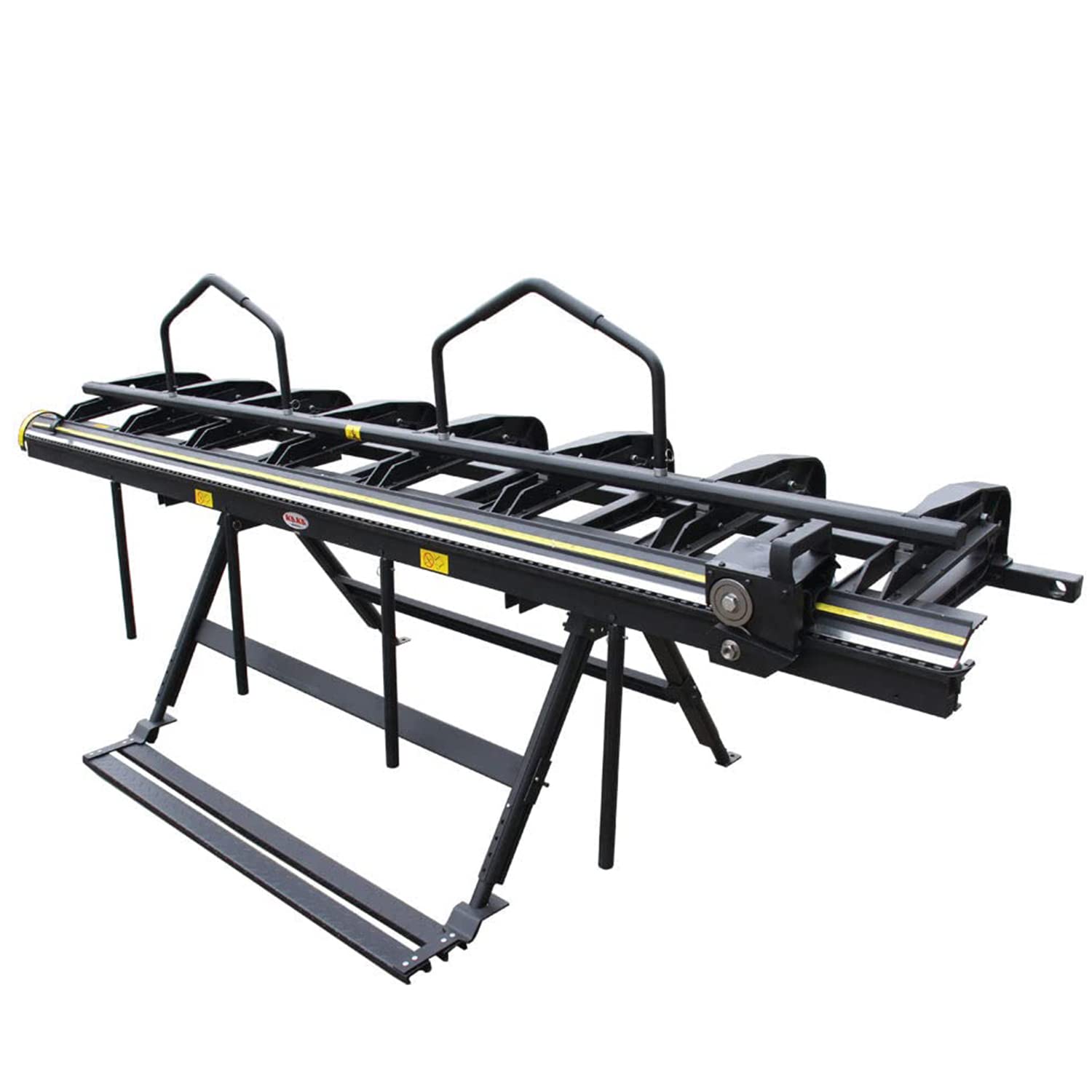
Figure 3: Overview of the ALB-126 Siding Brake with main parts labeled.
3.2 Material Preparation and Clamping
- Ensure the sheet metal is clean and free of debris.
- Position the material accurately on the bending body, aligning it with the desired bend line.
- Lower the upper press handle to clamp the material firmly. The independent handles allow for precise control and closer access to the workpiece.
- The silicone insert helps protect the material surface during clamping.
3.3 Adjusting Pressure
The clamping pressure can be adjusted to suit different material thicknesses and types. Refer to the video below for a visual guide on pressure adjustment.
Video 1: Demonstrates how to adjust the pressure on the ALB-126 Siding Brake for optimal clamping.
3.4 Bending Operation
- Set the desired bending angle using the angle plate and scale. The brake offers full angle flexibility from 0 to 180 degrees.
- Once the material is clamped and the angle is set, slowly and steadily pull the bending handle to form the bend.
- Ensure a smooth, continuous motion for a clean bend.

Figure 4: Detail of the angle scale for precise bending angle adjustments.

Figure 5: Independent handles provide ergonomic control during bending operations.
Video 2: Demonstration of material bending using the ALB-126 Siding Brake.
3.5 Cutting Operation (Roller Knife)
The integrated roller knife allows for efficient cutting of sheet metal.
- Ensure the material is securely clamped.
- Position the roller knife at the desired cutting start point.
- Apply even pressure and guide the roller knife along the material to make a clean cut.

Figure 6: Detail of the built-in roller knife for cutting sheet metal.
4. Maintenance
Regular maintenance ensures the longevity and optimal performance of your ALB-126 Siding Brake.
- Cleaning: After each use, clean the bending body and roller knife to remove metal shavings and debris. Use a soft cloth and mild cleaner if necessary.
- Lubrication: Periodically apply a light machine oil to all moving parts, pivot points, and the roller knife mechanism to ensure smooth operation and prevent rust.
- Inspection: Regularly inspect all bolts, nuts, and fasteners for tightness. Check the condition of the bending edge and roller knife for wear or damage. Replace worn parts as needed.
- Storage: Store the siding brake in a dry, protected area when not in use to prevent corrosion.
5. Troubleshooting
This section addresses common issues you might encounter with the ALB-126 Siding Brake.
| Problem | Possible Cause | Solution |
|---|---|---|
| Inconsistent bends | Material not clamped securely; uneven bending force; worn bending edge. | Ensure material is tight; apply even pressure on handles; inspect and replace bending edge if worn. |
| Difficulty cutting with roller knife | Dull roller knife; insufficient pressure; debris obstructing path. | Clean knife and path; adjust pressure; replace roller knife if dull. |
| Handles are stiff or difficult to operate | Lack of lubrication; rust; bent components. | Lubricate all moving parts; remove rust; inspect for damage and replace components if bent. |
If you encounter issues not listed here or require further assistance, please contact KAKA INDUSTRIAL customer support.
6. Specifications
| Feature | Detail |
|---|---|
| Model Number | ALB-126 |
| Manufacturer | KAKA INDUSTRIAL LLC |
| Part Number | 173432 |
| Bending Capacity | 24 Gauge (0.024 Inch) Mild Steel & Aluminum |
| Bending Width | 126 inches (10.5 ft) |
| Bending Angle | 0-180 degrees |
| Item Weight | 268 pounds |
| Product Dimensions | 126 x 28 x 20 inches |
| Color | Black |
| Material | Aluminum |
| Features | Integrated Roller Knife, Independent Handles, Silicone Insert |
7. Warranty and Support
7.1 Return Policy
This product is eligible for a 30-day return policy. Please refer to your purchase documentation for specific terms and conditions regarding returns and replacements.
7.2 Customer Support
For technical assistance, parts inquiries, or any other support needs, please contact KAKA INDUSTRIAL LLC customer support. Contact information can typically be found on the manufacturer's website or your purchase invoice.