
Goodman GLXS4BA3010
Goodman 2.5 TON 15.2 SEER2 Horizontal R-32 AC System User Manual
Model: GLXS4BA3010 (Condenser), GM9S800803BN (Furnace), CHPTA3026B3 (Coil)
1. Product Overview
This Goodman 2.5 TON 15.2 SEER2 complete Horizontal system is designed for efficient heating and cooling. It comprises three main components: an outdoor air conditioner (condenser), an indoor evaporator coil, and an 80% AFUE 80k BTU furnace. This system is AHRI certified under certificate number 215326957.
Key features include:
- AHRI Certified: Equipment package certified to work at 14 SEER, providing 30,000 BTUs of cooling and 80,000 BTUs of heating.
- Voltage: 115.0 volts.
- Installation Type: Split System.

Figure 1: Overview of the Goodman AC System components, including the outdoor condenser, indoor furnace, and evaporator coil.
2. System Components and Configuration (Setup)
The Goodman AC system consists of three primary components: the outdoor condenser, the indoor evaporator coil, and the furnace. Understanding their configuration is crucial for proper installation and operation.
2.1. Component Overview

Figure 2: Outdoor Condenser Unit (GLXS4BA3010)

Figure 3: Indoor Furnace Unit (GM9S800803BN)

Figure 4: Evaporator Coil Unit (CHPTA3026B3)
2.2. System Configuration
The indoor coil and furnace combination can be configured in several ways:
- Horizontal: The units are laid down horizontally.
- Upflow: Air enters from the bottom and exits from the top. This is the most common configuration, often found in basements.
- Downflow: Air enters from the top and is pushed out the bottom. This configuration is typically found in attics.
It is essential to know the direction of airflow (where the cool air return is coming in and where the air is going out) to determine the correct configuration for your installation.
2.3. Fuel Type
The furnace operates on either natural gas or liquid propane (LP). Most systems are sold for natural gas. If you require LP, a separate LP conversion kit must be purchased. Furnaces can be sold nationwide, with the exception of California due to specific low NOx requirements. For California, a low NOx or ultra-low NOx furnace is required, indicated by an 'X' or 'U' at the end of the model number, respectively.
Video 1: Learn more about AC with Furnace Systems, including component identification, configuration types, and fuel considerations.
3. System Types and Operation
There are three main types of HVAC systems:
- Packaged Unit: All components (condenser, coil, blower) are contained in one outdoor unit, installed on the wall, roof, or a pad outside the home.
- Ductless System: Features an indoor head unit (air handler) that pushes cold air out, connected to an outdoor condenser by copper tubing.
- Split System: This system can be either a straight cool system or a heat pump.
3.1. Split System Variations
- Straight Cool: Consists of an outdoor condenser and an indoor air handler. The air handler itself does not provide heat unless an electric heat kit (sold separately) is added.
- Heat Pump: Features an outdoor heat pump unit and an indoor air handler. Unlike a straight cool system, a heat pump has a reversing valve that allows it to reverse the refrigerant cycle. This enables the system to absorb heat from outside and expel it indoors, effectively heating the home.
Video 2: Understand the different types of HVAC systems available and how they operate.
4. Efficiency and Regional Standards
The U.S. Department of Energy (DOE) sets appliance efficiency standards, including the Seasonal Energy Efficiency Ratio (SEER). As of January 1, 2023, new SEER2 regulations are in effect, which provide a more accurate reflection of real-world energy efficiency.
4.1. SEER2 Requirements by Region
- Northern States: Must have a minimum of 13.4 SEER2.
- Southern States: Must have a minimum of 14.3 SEER2.
While these are minimum requirements, you can opt for higher energy-efficient equipment, which may be more expensive initially but can lead to long-term savings on energy bills.

Figure 5: Example EnergyGuide label, showing efficiency ratings and regional compliance.
Video 3: Detailed explanation of SEER2 regulations and their impact on HVAC systems.
5. Refrigerant Information (R-32)
As of January 1, 2025, a new refrigerant called R-32 is being introduced to the market for residential air conditioning systems. R-32 has been used in the automotive industry for many years and offers several advantages:
- Higher Efficiency: R-32 is approximately 40% more efficient than previous refrigerants, meaning less refrigerant is needed per system.
- Lower Global Warming Impact: It has a smaller global warming potential compared to older refrigerants.
- Slightly Flammable: R-32 is slightly flammable. For systems with a condenser, coil, and furnace combination, a 'Dragonfly Kit' is required. This kit communicates between the R-32 based coil and the furnace. If a refrigerant leak is detected, the kit sends a signal to the furnace to turn off the burner, mitigating the risk of ignition. Once the leak is cleared, the furnace will power back on.
Important Compatibility Note: R-410A (older refrigerant) is not backwards compatible with R-32. If you are replacing either the outdoor condenser or the indoor coil in your existing system, you must replace both the condenser and the coil together to ensure compatibility with R-32. New furnaces are generally compatible with R-32 systems.
Video 4: Essential information regarding the new R-32 refrigerant and its implications for HVAC systems.
6. Specifications
| Specification | Detail |
|---|---|
| Brand Name | Goodman |
| Model Info | GLXS4BA3010 (Condenser), GM9S800803BN (Furnace), CHPTA3026B3 (Coil) |
| Product Dimensions | 29 x 29 x 32 inches (Condenser) |
| Efficiency | 15.2 SEER2 (System), 14.3 SEER2 (Condenser) |
| Capacity | 2.5 Tons (Cooling), 80k BTU (Heating) |
| Installation Type | Split System |
| Form Factor | Split System |
| Color | Black |
| Voltage | 115 Volts |
| Material Type | Stainless Steel |
| Refrigerant | R-32 (New systems), R-410A (Older systems) |
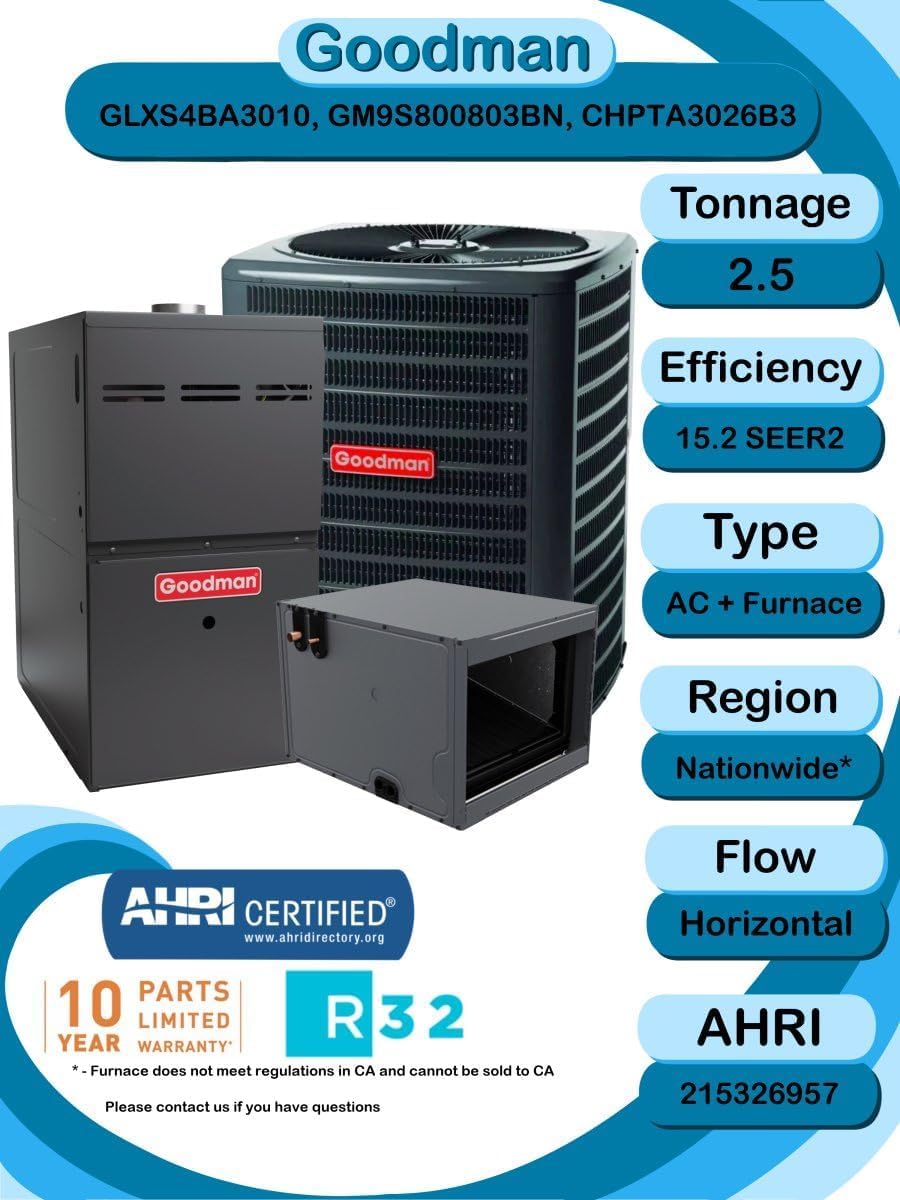
Figure 6: Visual summary of Goodman system specifications.
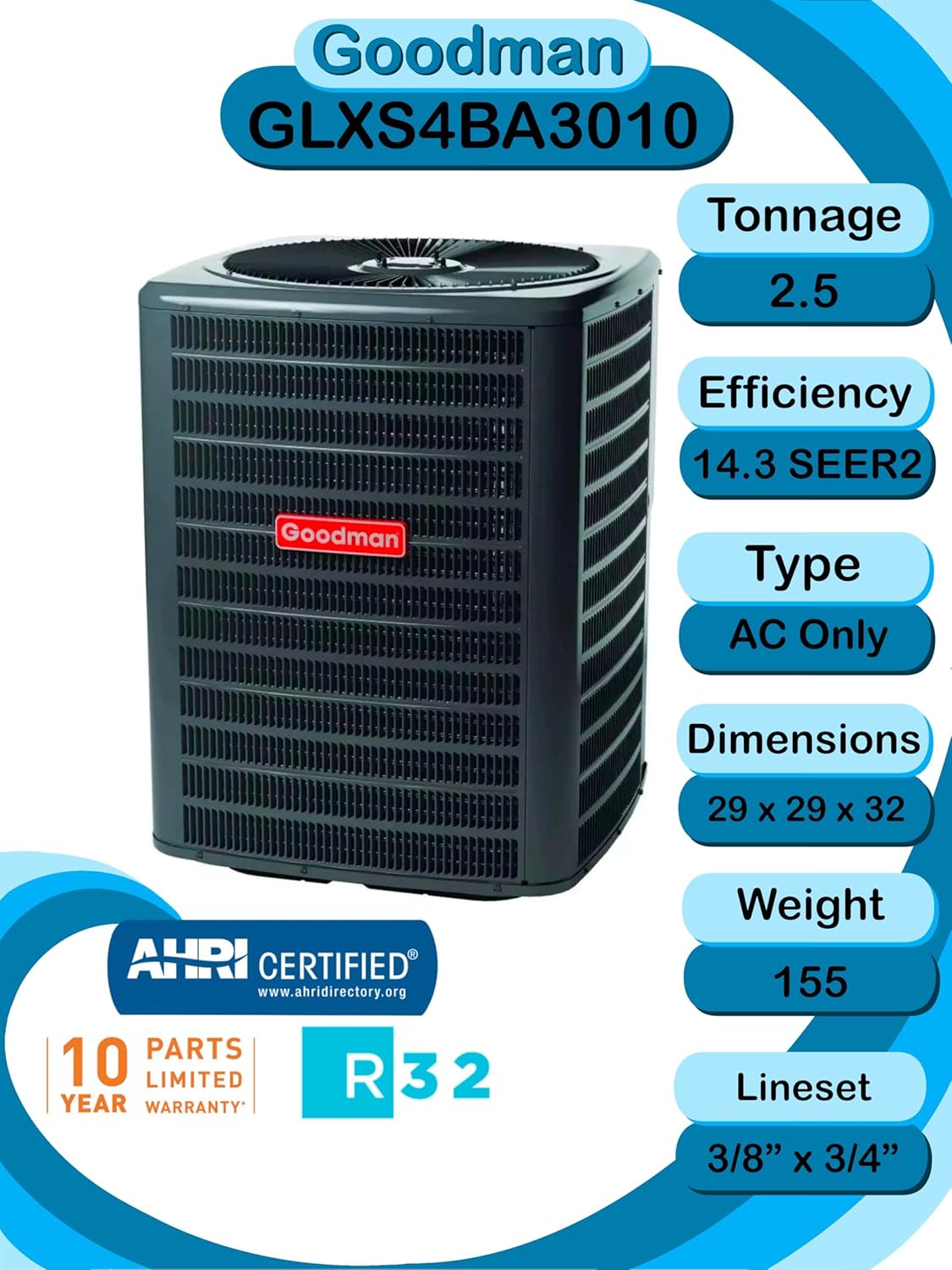
Figure 7: Visual summary of Goodman condenser specifications.
7. Maintenance and Troubleshooting
7.1. Routine Maintenance
Regular maintenance is essential for the longevity and efficient operation of your HVAC system. It is highly recommended to schedule annual inspections and tune-ups by a qualified HVAC technician. This includes checking refrigerant levels, cleaning coils, inspecting electrical components, and ensuring proper airflow.
7.2. Troubleshooting Common Issues
If you experience issues with your system, consider the following basic checks before contacting a technician:
- No Power: Check circuit breakers and ensure the thermostat is set correctly.
- Poor Airflow: Inspect air filters for cleanliness and replace if necessary. Ensure vents are open and unobstructed.
- Unusual Noises: Listen for grinding, squealing, or banging sounds. These often indicate a mechanical issue requiring professional attention.
- System Not Cooling/Heating: Verify thermostat settings. If the issue persists, it may indicate a refrigerant leak or a component failure.
For any complex issues or if basic troubleshooting does not resolve the problem, contact a qualified HVAC professional. Do not attempt repairs beyond your expertise, especially those involving refrigerant or electrical components.
8. Warranty and Support
The Goodman 2.5 TON 15.2 SEER2 AC System components come with a 10-year parts limited warranty. This warranty is valid if the system is installed by a qualified installer and registered online within 60 days of installation. Online registration is not required in California.

Figure 8: Goodman 10-Year Limited Warranty Shield.
For full warranty details or any support inquiries, please contact Goodman customer service or your authorized dealer. You can also visit the official Goodman website for more information.
Note: This furnace DOES NOT comply with emissions regulations for the state of California and cannot be shipped to California.
Related documentsGLXS4BA3010


Ask a question about this manual
Ask about setup, troubleshooting, compatibility, parts, safety, or missing instructions. Manuals+ will review the question and use this page’s manual context to help answer it.