
1. Introduction and Overview
This instruction manual provides comprehensive guidance for the assembly, operation, and maintenance of the CADA 770-4 Technic Race Car Model. This 1:8 scale replica is a highly detailed construction kit designed for experienced model builders, featuring a V12 engine, a 7-speed sequential gearbox, and numerous functional elements.
The model, designed by MOC Thijs de Boer, offers an immersive and rewarding building experience, culminating in a display-worthy supercar replica.

Figure 1.1: The CADA 770-4 Technic Race Car Model kit, showing the packaging and the fully assembled blue supercar.
2. Product Features
The CADA 770-4 model is an exclusive 1:8 scale replica of an Italian supercar, incorporating a multitude of realistic and functional features:
- Detailed V12 Engine: Features moving pistons, simulating a real V12 engine.
- 7-Speed Sequential Gearbox: An intricate CaDA Technic gearbox is integrated into the detailed cockpit.
- Functional Doors: Butterfly doors open to reveal the interior.
- Adjustable Spoiler/Wings: Rear spoiler and wings are functional.
- Opening Hood and Trunk: The front hood opens to a compact storage compartment, and the rear trunk also opens.
- Steering System: Features a functional steering mechanism with 'Hand of God' control.
- Detailed Interior: Includes a dashboard, shift pull, gear lever, and angle-adjustable sport seats.
- Full-time Four-Wheel Drive (AWD): Equipped with three differentials for realistic power distribution.

Figure 2.1: Key functional areas of the CADA 770-4 model, including opening doors, hood, and trunk.
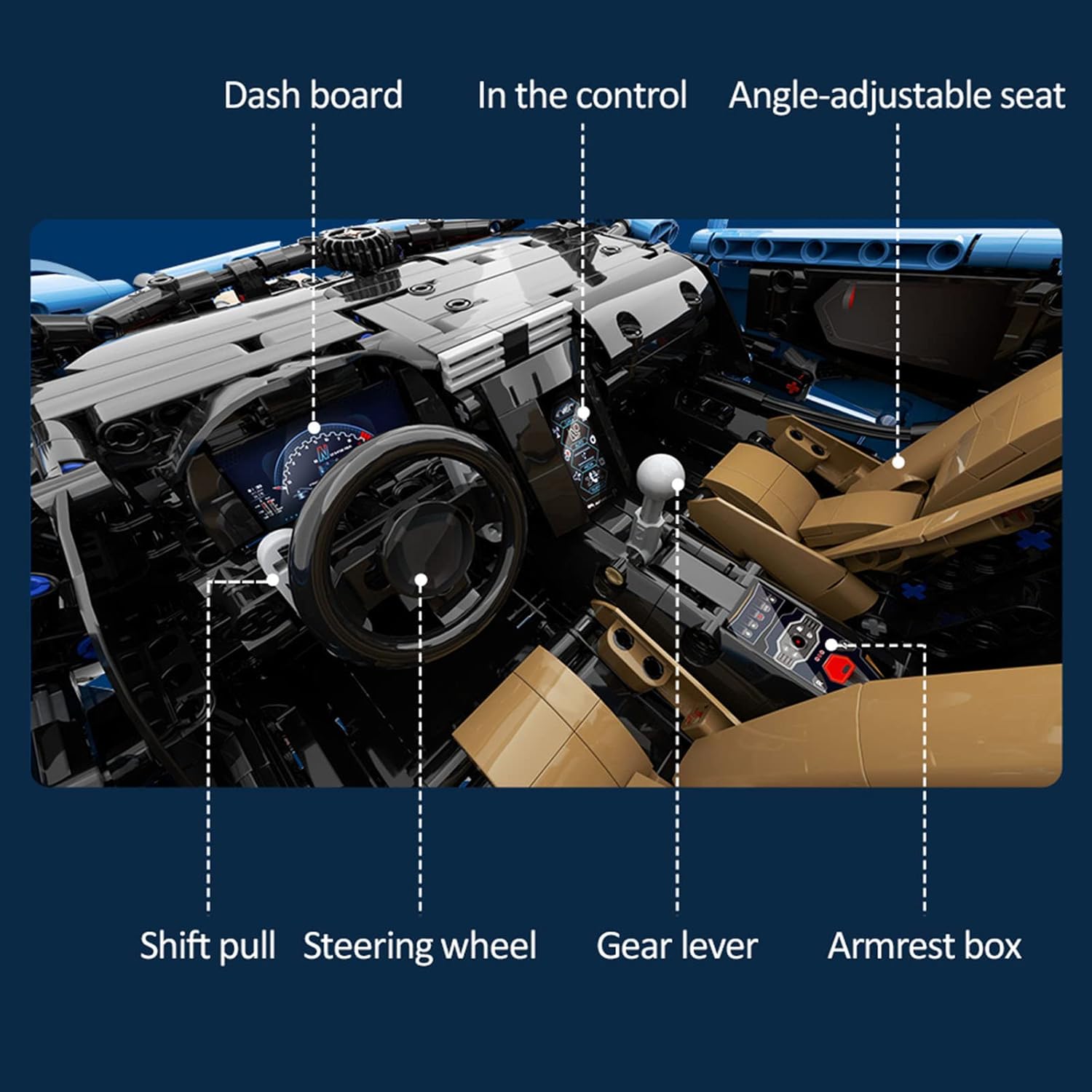
Figure 2.2: Detailed view of the model's interior, highlighting the dashboard, steering wheel, gear lever, and adjustable seats.

Figure 2.3: Illustration of the full-time four-wheel drive system (AWD) with three differentials and a simulated V12 cylinder engine linkage.
3. Assembly and Setup
The CADA 770-4 model consists of 3842 pieces and is designed for an advanced building experience. Follow the included full-color instruction booklet carefully for step-by-step assembly.
The entire vehicle can be divided into 14 separate module groups, allowing for a structured building process and potential modifications. Ensure all pieces are accounted for before beginning assembly.

Figure 3.1: The model is constructed from 14 distinct sub-module groups, facilitating assembly and customization.
It is recommended to organize pieces by type and color to streamline the building process. Pay close attention to the orientation of Technic pins and axles as indicated in the instructions.
4. Operating Functional Elements
Once assembled, the CADA 770-4 model features several operational components:
- Steering: The steering wheel in the cockpit or a knob on the roof (Hand of God control) can be turned to control the front wheels. This linkage design allows for precise steering.
- Doors: The butterfly doors can be opened and closed. A knob mechanism controls the opening and closing angle, ensuring smooth operation.
- Engine: The V12 engine features pistons that move when the car is in motion, simulating engine operation.
- Gearbox: The 7-speed sequential gearbox can be engaged via the gear lever in the cockpit.
- Spoiler: The rear spoiler/wings can be adjusted manually.

Figure 4.1: The model's steering mechanism can be operated via the interior steering wheel or an external knob, providing linked wheel steering.

Figure 4.2: Details of the door opening mechanism, controlled by a knob, and the adjustable rear spoiler.
5. Specifications
Key specifications for the CADA 770-4 Technic Race Car Model:
- Model Number: 770-4
- Scale: 1:8 (based on real car physical scale)
- Number of Pieces: 3842
- Dimensions (Assembled): Approximately 60 cm (Length) x 25 cm (Width) x 13 cm (Height)
- Weight: Approximately 5.5 kg
- Engine Type: Simulated V12 with moving pistons
- Gearbox: 7-speed sequential
- Drive System: Full-time Four-Wheel Drive (AWD) with 3 differentials
- Manufacturer Reference: 128514
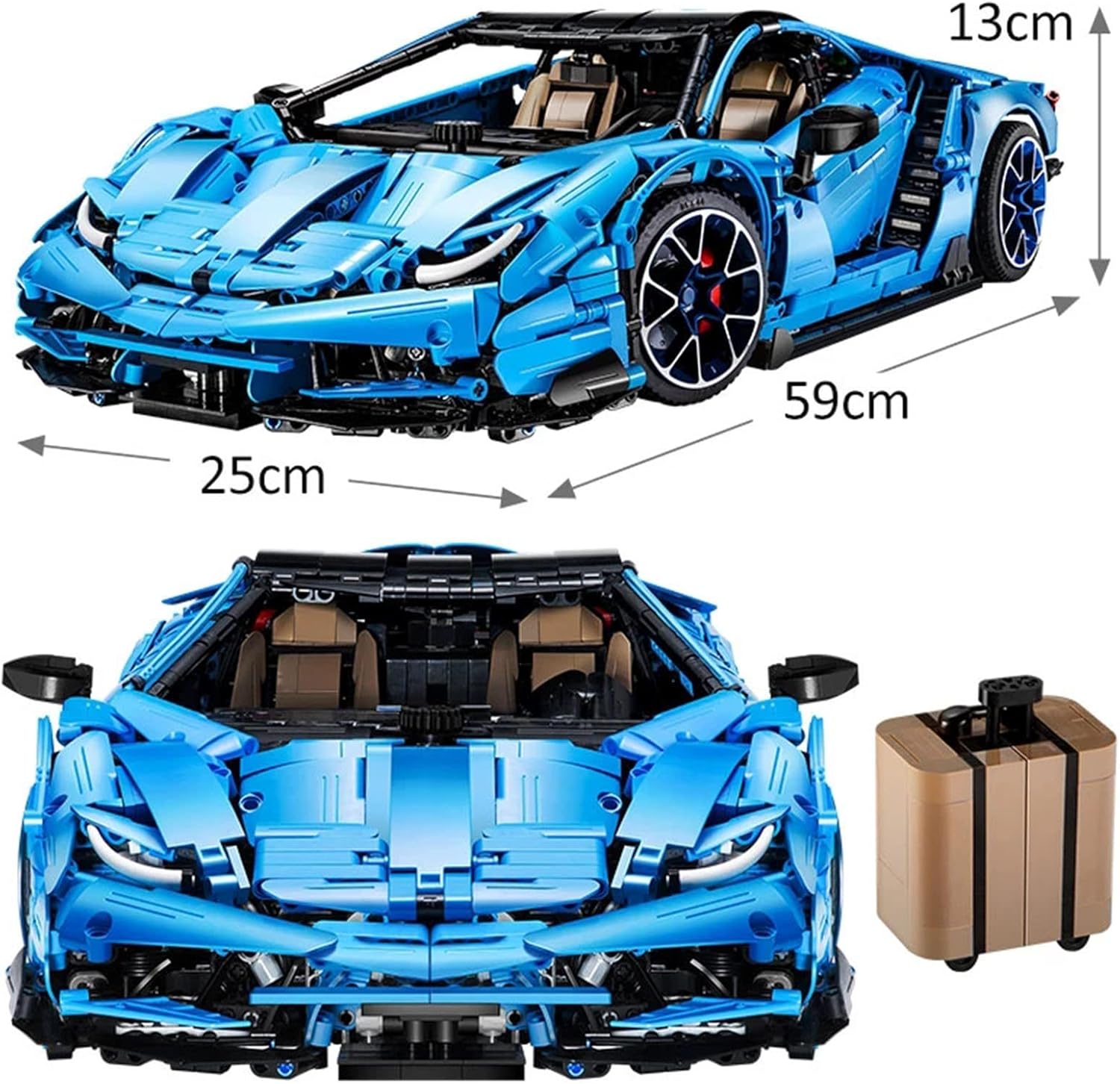
Figure 5.1: Approximate dimensions of the assembled CADA 770-4 model.

Figure 5.2: The model's 1:8 scale body ratio, precisely based on real car physical dimensions.
6. Maintenance
To ensure the longevity and appearance of your CADA 770-4 model, follow these maintenance guidelines:
- Cleaning: Dust the model regularly with a soft, dry cloth or a soft brush. For stubborn dirt, a slightly damp cloth can be used, but avoid excessive moisture.
- Storage: Store the model in a cool, dry place away from direct sunlight to prevent discoloration and material degradation.
- Handling: Handle the model carefully, especially when moving it, to avoid dislodging pieces or damaging delicate components.
- Part Integrity: Periodically check for any loose connections or parts and re-secure them as needed.
7. Troubleshooting
Should you encounter any issues during assembly or with the completed model, consider the following:
- Missing Pieces: If you find any pieces missing from your kit, refer to the manufacturer's contact information for assistance.
- Assembly Difficulties: Double-check the instruction booklet for the specific step. Ensure all pieces are correctly oriented and fully connected. Sometimes, a small misalignment can prevent subsequent steps.
- Functional Issues: If a mechanism (e.g., steering, doors, gearbox) does not operate smoothly, re-examine the assembly of that specific section. Ensure no pieces are obstructing movement and that all gears and linkages are correctly aligned.
- Stability Issues: If the model feels unstable, review the main structural connections, particularly the chassis and body panels, to ensure all connections are firm.
8. Warranty and Support
Information regarding specific warranty details for the CADA 770-4 Technic Race Car Model is typically provided with the product packaging or can be obtained directly from the manufacturer. For any questions, missing parts, or support needs, please contact the manufacturer or retailer where the product was purchased.
While specific spare parts availability information is not provided, inquiries can be directed to the manufacturer for potential solutions.


