1. Introduction
This manual provides comprehensive instructions for the safe and efficient use of your Philips Series 3000 Steam Iron, model DST3041/36. Please read this manual carefully before first use and retain it for future reference.

Image 1.1: Philips Series 3000 Steam Iron DST3041/36
2. Important Safety Information
Always follow basic safety precautions when using electrical appliances to reduce the risk of fire, electric shock, and personal injury.
- Read all instructions before use.
- Do not leave the iron unattended while it is connected to the mains or while it is on an ironing board.
- Always unplug the iron from the electrical outlet when filling with water, emptying, or when not in use.
- Keep the iron and its cord out of reach of children.
- Do not operate the iron with a damaged cord or plug, or if the iron has been dropped or damaged.
- Use the iron only for its intended purpose.
- The soleplate can become extremely hot and cause burns. Avoid direct contact.
- Never immerse the iron in water or other liquids.
3. Product Overview
Familiarize yourself with the components of your Philips Steam Iron DST3041/36.
- Water Tank: Transparent reservoir for water. Capacity: 300ml.
- Water Filling Inlet: Opening for adding water.
- Temperature Control Dial: Adjusts heat settings for different fabric types.
- Steam Control Slider: Adjusts continuous steam output or selects dry ironing.
- Steam Boost Button: Provides an extra burst of steam.
- Spray Button: Sprays a fine mist of water.
- Soleplate: Ceramic non-stick surface for smooth gliding.
- Power Cord: Connects the iron to the electrical outlet.
- Calc-Clean Slider: For descaling the iron.

Image 3.1: Top view of the iron, highlighting controls and water tank.
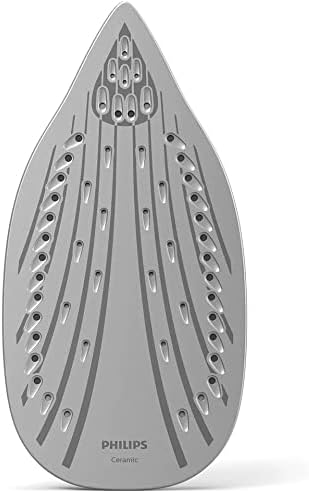
Image 3.2: The ceramic soleplate designed for smooth gliding.

Image 3.3: The Anti-Drip system helps prevent water stains on garments.
4. Setup
4.1 Unpacking
Carefully remove the iron from its packaging. Remove any stickers or protective film from the soleplate.
4.2 First Use Preparation
Before using the iron for the first time, it is recommended to iron an old piece of fabric (e.g., a cotton cloth) to remove any manufacturing residues from the soleplate. During the first few minutes, a slight odor or smoke may occur; this is normal and will disappear.
4.3 Filling the Water Tank
- Ensure the iron is unplugged from the power outlet.
- Set the steam control slider to the "dry ironing" position (no steam).
- Hold the iron in a slightly tilted position.
- Open the water filling inlet cover.
- Fill the water tank with tap water up to the MAX indication. Do not overfill.
- Close the water filling inlet cover securely.
Note: For optimal performance and to prolong the life of your iron, use demineralized or distilled water, especially in areas with hard water.
5. Operating Instructions
5.1 Preparing for Ironing
- Check the garment's care label for ironing instructions.
- Sort clothes by fabric type and recommended ironing temperature. Start with lower temperature settings.
- Place the iron on its heel rest on a stable, heat-resistant surface.
- Plug the power cord into a grounded wall outlet.
5.2 Setting Temperature
Turn the temperature control dial to the appropriate setting for your fabric. The indicator light will illuminate, indicating the iron is heating. It will turn off when the desired temperature is reached.
- Low Temperature: Synthetics, Silk
- Medium Temperature: Wool
- High Temperature: Cotton, Linen
5.3 Steam Ironing
For steam ironing, ensure the water tank is filled and the temperature is set to a steam-appropriate level (usually medium to high, indicated on the dial).
- Continuous Steam: Move the steam control slider to the desired steam level. The iron provides continuous steam up to 40g/min.
- Steam Boost: For stubborn creases, press the steam boost button. This delivers an extra burst of up to 200g of steam. Wait a few seconds between bursts.
- Spray Function: Press the spray button to moisten fabric before ironing.

Image 5.1: Demonstrating steam ironing on a garment.
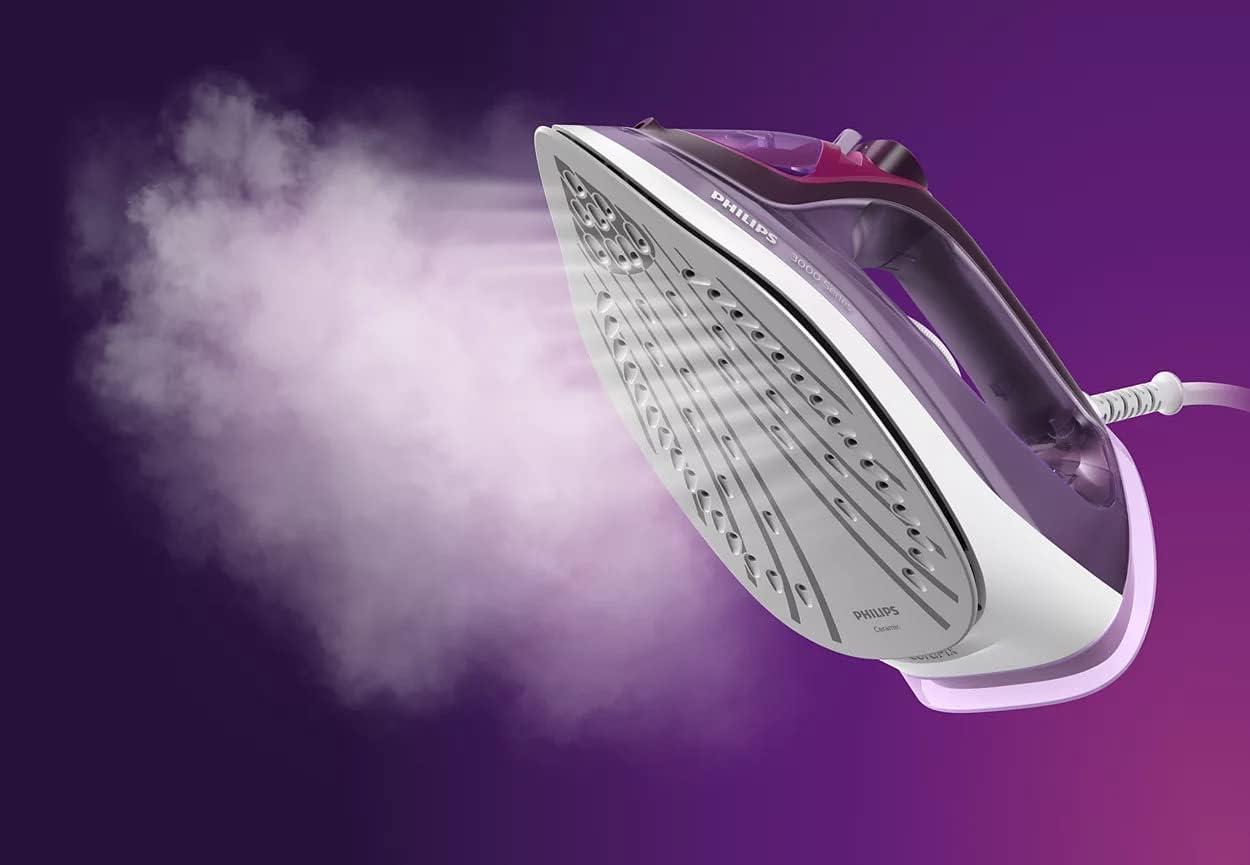
Image 5.2: The iron's powerful steam output.
5.4 Dry Ironing
To dry iron, ensure the water tank is empty or set the steam control slider to the "dry ironing" position. Select the desired temperature.
5.5 Vertical Steaming
The iron can be used for vertical steaming to refresh hanging garments, curtains, or delicate fabrics.
- Fill the water tank.
- Set the temperature control dial to the MAX position.
- Hold the iron vertically, a few centimeters away from the fabric.
- Press the steam boost button repeatedly to release steam.

Image 5.3: Vertical steaming function for refreshing garments.
6. Maintenance and Cleaning
6.1 After Use
- Unplug the iron and allow it to cool down completely.
- Empty any remaining water from the tank.
6.2 Cleaning the Soleplate
To clean the soleplate, wipe it with a damp cloth and a non-abrasive cleaner when the iron is cool. Do not use harsh scouring pads or abrasive cleaners as they can damage the ceramic surface.
6.3 Calc-Clean Function
The built-in calc-clean slider helps maintain long-lasting steam performance by removing limescale buildup. Perform this function regularly, especially if you use tap water.
- Fill the water tank to the MAX level.
- Set the steam control to "dry ironing" and the temperature dial to MAX.
- Plug in the iron and wait for the indicator light to go out.
- Unplug the iron.
- Hold the iron over a sink, then push and hold the calc-clean slider. Shake the iron gently back and forth. Steam and boiling water will come out of the soleplate, carrying limescale particles.
- Release the calc-clean slider when the water tank is empty.
- Plug in the iron again and let it heat up to dry the soleplate.
- Unplug and let it cool down before storing.
6.4 Storage
Store the cooled iron on its heel rest in a dry, safe place, with the cord neatly wrapped.
7. Troubleshooting
| Problem | Possible Cause | Solution |
|---|---|---|
| Iron does not heat up. | Not plugged in; power outlet fault; temperature dial set to minimum. | Check power connection; test outlet with another appliance; turn temperature dial to desired setting. |
| No steam or insufficient steam. | Water tank empty; temperature too low for steam; steam control set to dry ironing; calc buildup. | Fill water tank; set temperature to steam range; adjust steam control; perform calc-clean. |
| Water leakage from soleplate. | Temperature too low for steam; steam control not fully closed for dry ironing; overfilling water tank; calc buildup. | Ensure temperature is high enough for steam; set steam control to dry ironing for dry use; do not overfill; perform calc-clean. |
| Brown stains or rust particles on clothes. | Limescale or impurities in the water tank/steam vents. | Perform calc-clean function. Use demineralized or distilled water. |
| Iron burns clothes. | Temperature setting too high for fabric type. | Always check garment care labels and adjust temperature accordingly. Start with lower temperatures. |
8. Specifications
| Brand | Philips |
| Model Number | DST3041/36 |
| Model Name | Series 3000 |
| Power / Wattage | 2600 watts |
| Voltage | 220 Volts |
| Continuous Steam Flow | Up to 40 g/min |
| Steam Boost | Up to 200 g |
| Water Tank Capacity | 300 ml |
| Soleplate Material | Ceramic |
| Special Features | Anti-Drip, Built-in Calc-Clean Slider |
| Product Dimensions | 29 x 12.1 x 0.1 cm |
| Item Weight | 1.2 Kilograms |
| Color | Purple |
9. Warranty and Support
Your Philips Steam Iron DST3041/36 is covered by a manufacturer's warranty. For specific warranty terms and conditions, please refer to the warranty card included with your product or visit the official Philips website.
For technical support, service, or to purchase accessories, please contact Philips customer service in your region. Contact information can typically be found on the Philips website or in the product packaging.
Online Support: Visit www.philips.com/support for FAQs and further assistance.


