
1. Introduction
Thank you for choosing an Indesit appliance. This user manual provides essential information for the safe and efficient operation, installation, and maintenance of your Indesit TWE 71252 S EU front-loading washing machine. Please read these instructions carefully before using the appliance and keep them for future reference. Proper use and maintenance will ensure optimal performance and extend the lifespan of your washing machine.
2. Safety Information
General Safety:
- This appliance is intended for household use only.
- Do not allow children to play with the appliance. Supervise children to ensure they do not climb into the drum.
- Always unplug the appliance before cleaning or performing any maintenance.
- Do not operate the washing machine if the power cord or plug is damaged, or if the appliance itself is faulty. Contact qualified service personnel.
- Ensure the appliance is properly earthed.
Installation Safety:
- Remove all transit bolts and packaging materials before use. Failure to do so can cause severe damage.
- Install the appliance on a firm, level floor. Adjust the feet to ensure stability.
- Ensure adequate ventilation around the appliance.
- Connect the water inlet hose to a cold water tap. Ensure all connections are tight to prevent leaks.
- The drain hose must be securely fixed to prevent displacement during operation.
3. Product Overview
Your Indesit TWE 71252 S EU washing machine features a user-friendly design with essential components for efficient laundry care.

Figure 3.1: Front view of the Indesit TWE 71252 S EU washing machine. This image shows the overall design, including the control panel at the top, the detergent dispenser on the left, and the main loading door in the center.
Key Components:
- Control Panel: Located at the top, featuring digital touch controls, push buttons, and a rotary knob for program selection.
- Detergent Dispenser: A pull-out drawer for adding detergent and fabric softener.
- Loading Door: Front-loading door for adding and removing laundry.
- Drum: Stainless steel interior where laundry is washed.
- Drain Filter: Located at the bottom front, accessible for cleaning.

Figure 3.2: Close-up of the detergent dispenser and control panel. This view highlights the various compartments within the dispenser for pre-wash, main wash, and softener, along with the program selection knob and digital display.

Figure 3.3: Interior view of the stainless steel drum. This image shows the perforated surface of the drum, designed for effective washing and rinsing, and the agitator paddles.
4. Installation and Setup
Proper installation is crucial for the performance and longevity of your washing machine.
4.1 Unpacking:
- Carefully remove all packaging materials, including the polystyrene base and any protective film.
- Remove the transit bolts located at the rear of the machine. These bolts secure the drum during transport and must be removed before operation. Keep them for future transport if needed.
4.2 Positioning:
- Place the washing machine on a flat, stable surface, away from direct sunlight or heat sources.
- Adjust the adjustable feet at the bottom of the machine to ensure it is perfectly level. Use a spirit level to verify.
- Ensure there is sufficient space around the machine for ventilation and ease of access.
4.3 Water Connection:
- Connect the supplied water inlet hose to the cold water tap. Hand-tighten the connection, then use a wrench for a quarter turn.
- Connect the other end of the inlet hose to the water inlet valve at the back of the washing machine.
- Position the drain hose into a standpipe or over the edge of a sink, ensuring it is securely fixed to prevent it from falling out during draining. The height of the drain point should be between 65 cm and 100 cm from the floor.
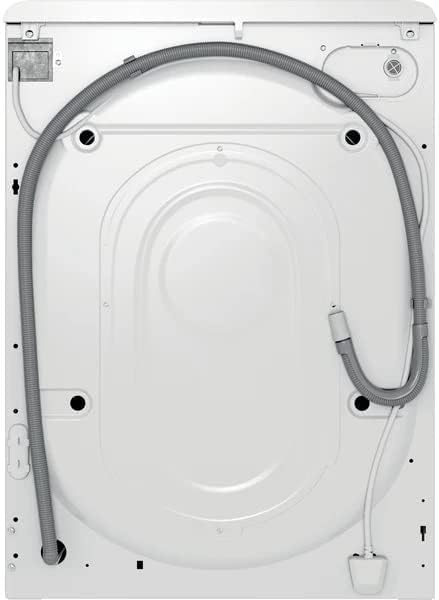
Figure 4.1: Rear view of the washing machine. This image illustrates the connections for the water inlet hose (typically blue or white) and the drain hose, along with the power cable.
4.4 Electrical Connection:
- Plug the power cord into a properly earthed electrical socket.
- Do not use extension cords or multi-plugs.
4.5 First Wash Cycle:
- Before washing clothes, run an empty wash cycle to clean the drum and remove any manufacturing residues.
- Add a small amount of detergent to the main wash compartment.
- Select a short, hot wash program (e.g., 60°C cotton cycle) and start the machine.
5. Operating Instructions
Follow these steps for effective and safe operation of your washing machine.
5.1 Loading Laundry:
- Open the loading door.
- Sort laundry by fabric type, color, and degree of soiling.
- Load laundry loosely into the drum, ensuring not to overload. The 7kg capacity refers to dry laundry weight.
- Close the door firmly until it clicks shut.
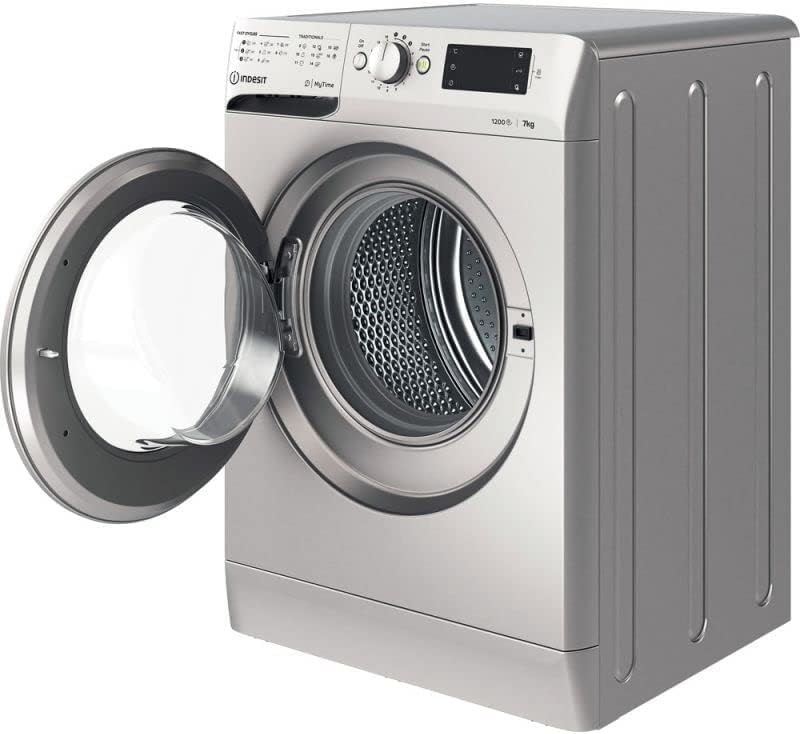
Figure 5.1: Front view of the washing machine with the door open. This image shows the wide opening for easy loading and unloading of laundry into the drum.
5.2 Adding Detergent and Additives:
- Pull out the detergent dispenser drawer.
- Add the appropriate amount of detergent to the main wash compartment (usually marked 'II' or 'Main Wash').
- If using fabric softener, pour it into the designated compartment (usually marked with a flower symbol or 'Softener'). Do not exceed the 'MAX' level.
- Close the dispenser drawer gently.
5.3 Selecting a Program:
- Turn the rotary knob on the control panel to select the desired wash program. The machine offers various programs for different fabric types and soil levels, including a 'Quick Wash' option.
- Use the digital touch controls and push buttons to adjust additional settings such as temperature, spin speed (up to 1200 RPM), or delay start, if available for the selected program.
5.4 Starting a Cycle:
- Press the 'Start/Pause' button to begin the wash cycle. The indicator light will illuminate.
5.5 Pausing/Canceling a Cycle:
- To pause a cycle, press the 'Start/Pause' button. The indicator light will flash.
- To cancel a cycle, press and hold the 'Start/Pause' button for a few seconds, or turn the program selector knob to 'Off' and then back to a new program.
5.6 End of Cycle:
- The machine will signal the end of the cycle (e.g., with an audible alert or a specific display message).
- Open the door and remove the laundry promptly to prevent creasing and odors.
- Leave the door slightly ajar to allow the drum to air dry.
6. Maintenance and Cleaning
Regular maintenance ensures optimal performance and hygiene.
6.1 Cleaning the Detergent Dispenser:
- Pull out the dispenser drawer completely.
- Remove any removable parts and rinse them under running water.
- Clean the drawer housing with a brush.
- Reassemble and reinsert the drawer.
6.2 Cleaning the Drum:
- Run a maintenance wash cycle (e.g., a hot cycle with a drum cleaning agent or white vinegar) every few months to prevent odor and residue buildup.
6.3 Cleaning the Door Seal:
- Wipe the rubber door seal after each wash to remove lint, dirt, and moisture. This prevents mold and odors.
6.4 Cleaning the Drain Filter:
- Periodically clean the drain filter to prevent blockages and ensure proper drainage.
- Open the cover at the bottom front of the machine.
- Place a shallow container underneath to catch any residual water.
- Slowly unscrew the filter, allowing water to drain.
- Remove any lint, coins, or foreign objects from the filter and its housing.
- Rinse the filter under running water and screw it back in firmly. Close the cover.

Figure 6.1: Close-up of the drain filter access. This image shows the removable cap that covers the drain filter, which needs to be regularly cleaned to prevent blockages.
6.5 External Cleaning:
- Wipe the exterior of the machine with a soft, damp cloth. Do not use abrasive cleaners or solvents.
7. Troubleshooting
Before contacting customer service, try these simple solutions for common issues.
| Problem | Possible Cause | Solution |
|---|---|---|
| Machine does not start | No power; Door not closed; Program not selected; Start/Pause button not pressed. | Check power supply; Ensure door is firmly closed; Select a program; Press Start/Pause. |
| Water not filling | Water tap closed; Inlet hose kinked; Water pressure too low. | Open water tap; Straighten hose; Check household water pressure. |
| Water not draining | Drain hose kinked or blocked; Drain filter blocked. | Straighten or clear drain hose; Clean the drain filter (see Section 6.4). |
| Excessive vibration/noise | Transit bolts not removed; Machine not level; Uneven load. | Remove transit bolts (if not already); Adjust feet to level machine; Redistribute laundry evenly. |
| Detergent residue on clothes | Too much detergent; Detergent dispenser blocked; Insufficient rinse. | Reduce detergent amount; Clean dispenser; Select an extra rinse option if available. |
8. Specifications
Detailed technical specifications for the Indesit TWE 71252 S EU washing machine.
| Feature | Specification |
|---|---|
| Model | TWE 71252 S EU |
| Brand | Indesit |
| Capacity | 7 kg |
| Maximum Spin Speed | 1200 RPM |
| Dimensions (H x W x D) | 85 cm x 59.5 cm x 54 cm |
| Weight | 66.5 kg |
| Energy Efficiency | A+++ 90% |
| Drum Material | Stainless Steel |
| Control Type | Digital Touch, Push Button, Rotary Knob |
| Installation Type | Freestanding |
| Color | Silver |
| Special Features | Durable, Quick Wash Option |
| Included Components | Washing Machine |
9. Warranty and Support
For warranty information, please refer to the warranty card provided with your appliance or contact your retailer. Keep your proof of purchase (receipt or invoice) as it will be required for any warranty claims.
If you encounter issues that cannot be resolved using the troubleshooting guide, please contact Indesit customer service or an authorized service center. Do not attempt to repair the appliance yourself, as this may void your warranty and pose safety risks.


