1. Introduction
This manual provides essential information regarding the Hirose Japan Rotary Hook, model HSH-12(2)TR. This genuine Hirose component is designed for industrial sewing machines, ensuring reliable and consistent stitching performance. Understanding its features, compatibility, and proper handling will help maintain the efficiency and longevity of your sewing equipment.
2. Product Features
- Genuine Hirose Brand: Manufactured by Hirose, a reputable Japanese company known for high-quality sewing machine parts.
- Rotary Hook Assembly: A complete rotary hook unit designed for industrial sewing applications.
- Model Number: HSH-12(2)TR, with alternate part number 101-10062.
- Made in Japan: Ensures precision engineering and durable construction.
- Optimized Performance: Designed to provide smooth thread handling and consistent stitch formation in compatible machines.
3. Compatibility
This Hirose Rotary Hook (HSH-12(2)TR) is specifically designed to fit the following Juki industrial double needle sewing machine models with an undertrimmer system:
- Juki LH-1152-4
- Juki LH-1152-5
- Juki LH-1152-6
Ensure your machine model matches one of the listed compatible models before installation.
4. Setup and Installation
The rotary hook is a critical component of an industrial sewing machine. Proper installation is essential for optimal performance and to prevent damage to the machine or the hook itself. It is highly recommended that installation be performed by a qualified sewing machine technician or an experienced individual familiar with industrial sewing machine mechanics.
General Installation Steps (Consult your machine's service manual for precise instructions):
- Safety First: Disconnect the sewing machine from its power source before beginning any installation or maintenance.
- Access the Hook Area: Open the necessary covers or panels to access the rotary hook assembly.
- Remove Old Hook: Carefully unfasten and remove the existing rotary hook. Note the orientation and position of all components.
- Clean Area: Thoroughly clean any lint, dust, or old oil from the hook race and surrounding area.
- Install New Hook: Insert the new Hirose rotary hook, ensuring it is correctly seated and aligned according to your machine's specifications.
- Secure Components: Fasten all screws and retaining clips securely, but do not overtighten.
- Timing Adjustment: The timing between the needle and the rotary hook is crucial. This step often requires specialized tools and knowledge. Incorrect timing can lead to skipped stitches, thread breakage, or machine damage.
- Lubrication: Apply appropriate sewing machine oil to the designated lubrication points of the hook assembly as per your machine's manual.
- Test Run: Reconnect power and perform a slow test run with scrap fabric to verify proper function before resuming normal operation.

Figure 1: The Hirose Rotary Hook (HSH-12(2)TR) alongside its official packaging, indicating its genuine brand and model number.
5. Operation
The rotary hook is a fundamental part of the lockstitch mechanism in your sewing machine. During operation, the needle carries the upper thread down through the fabric. As the needle rises, it forms a loop of upper thread. The rotary hook's point then catches this loop, expands it, and carries it around the bobbin case, allowing the upper thread to interlock with the bobbin thread. This precise interaction creates a secure and balanced stitch.
A properly installed and maintained Hirose rotary hook ensures smooth rotation, consistent thread handling, and minimizes friction, contributing to high-quality stitch formation and reduced thread breakage.

Figure 2: Top-down view of the Hirose Rotary Hook, showing the bobbin case area and the hook point.
6. Maintenance
Regular maintenance of the rotary hook is crucial for extending its lifespan and ensuring consistent sewing performance. Neglecting maintenance can lead to lint buildup, excessive wear, and poor stitch quality.
- Daily Cleaning: Remove the bobbin case and use a small brush or air blower to clear lint and thread scraps from the hook race and surrounding area.
- Lubrication: Apply a few drops of high-quality sewing machine oil to the designated oiling points of the rotary hook assembly at the frequency recommended by your sewing machine's manual (typically daily or every few hours of operation for industrial machines).
- Inspect for Wear: Periodically inspect the hook point and race for nicks, burrs, or excessive wear. A damaged hook can cause thread breakage and skipped stitches. If damage is observed, replacement is necessary.
- Professional Servicing: Consider professional servicing at regular intervals (e.g., annually) to ensure all machine components, including the hook, are properly adjusted and maintained.
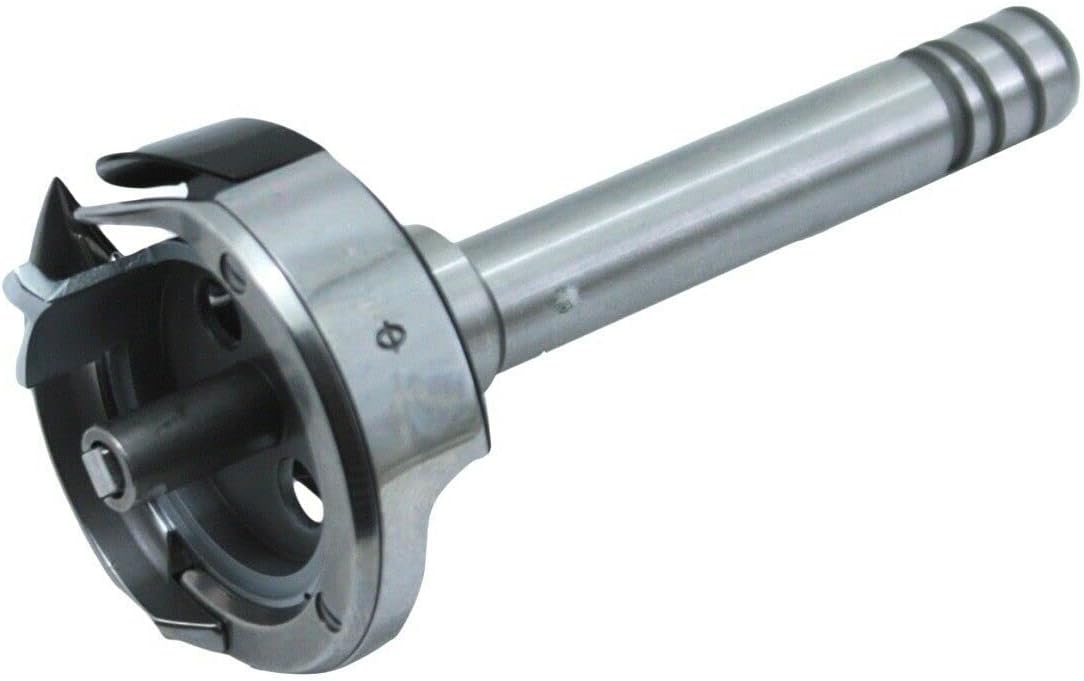
Figure 3: Side profile of the Hirose Rotary Hook, illustrating its shaft and main body.
7. Troubleshooting
While the Hirose rotary hook is a precision component, issues can arise from improper installation, lack of maintenance, or other machine-related factors. Here are common issues and general troubleshooting tips:
| Problem | Possible Cause | Solution |
|---|---|---|
| Skipped Stitches | Incorrect hook timing, dull needle, bent needle, lint in hook race, damaged hook point. | Check/adjust hook timing, replace needle, clean hook area, inspect hook for damage. |
| Thread Breakage (Upper) | Rough spots on hook, incorrect tension, poor quality thread, burrs on needle plate. | Inspect hook for burrs (replace if necessary), adjust upper tension, use quality thread, check needle plate. |
| Noisy Operation from Hook Area | Lack of lubrication, loose components, worn hook. | Lubricate hook, check for loose screws, inspect hook for wear and replace if needed. |
| Poor Stitch Quality | Improper hook timing, incorrect bobbin tension, damaged hook. | Verify hook timing, adjust bobbin tension, inspect hook for damage. |
If issues persist after basic troubleshooting, it is advisable to consult your sewing machine's comprehensive service manual or seek assistance from a professional technician.
8. Specifications
| Attribute | Detail |
|---|---|
| Product Type | Rotary Hook Assembly |
| Brand | Hirose |
| Hirose Hook # | HSH-12(2)TR |
| Alternate Part Numbers | 101-10062 |
| Manufacturing Origin | Japan |
| Compatible Juki Models | LH-1152-4, LH-1152-5, LH-1152-6 (double needle machines with undertrimmer system) |
| ASIN | B09JLP9899 |
| Date First Available | October 16, 2021 |
9. Warranty and Support
This product is a genuine Hirose brand rotary hook, manufactured in Japan to high-quality standards. For specific warranty information, please refer to the terms provided by your original point of purchase or contact the seller directly. As a precision component, proper installation and regular maintenance are key to its performance and longevity.
For technical support or inquiries regarding this Hirose rotary hook, please reach out to the authorized distributor or the seller from whom you purchased the product. Always refer to your specific Juki sewing machine's official manual for detailed instructions on part replacement, timing adjustments, and maintenance schedules.