
DPHXF MSY-002
Masday 12V Gasoline Inline High Pressure Fuel Pump User Manual
Model: MSY-002
1. Product Overview
The Masday 12V Gasoline Inline High Pressure Fuel Pump is designed for efficient fuel transfer in various gasoline and modified vehicles. It features a robust aluminum construction, stable performance, and strong suction capabilities, making it a reliable replacement for original equipment.

Image 1.1: The Masday 12V Gasoline Inline High Pressure Fuel Pump shown with its accompanying accessories, including rubber connection covers, insulated terminals, spring washers, nuts, and a car wash towel.
1.1 What's in the Box
- 1 x 12V Electric Fuel Pump (with internal fuel filter fitted)
- 1 x Car Wash Towel
- 2 x Rubber Connection Covers
- 2 x Insulated Terminals
- 2 x Spring Washers
- 2 x Nuts
1.2 Key Features
- High Flow Rate: Up to 200 LPH (55 GPH) under 43 PSI (3.0 Bar) at 13.5V.
- High Pressure: Operates at 75 PSI (5.0 Bar) with a PRV Activation of 0-130 PSI.
- Strong Suction Power: Capable of 16.4 feet of super suction.
- Durable Construction: Made from aluminum for robust performance.
- Wide Compatibility: Suitable for various vehicles including BMW 318i, 325e, 325i, 528e, Mitsubishi Starion, Tredia, and VW Transporter (1985-1987), as well as other modified vehicles.

Image 1.2: Visual representation of the fuel pump's features, highlighting its quiet operation, strong suction, and durable construction.
2. Safety Information
Always prioritize safety when working with fuel systems. Gasoline is highly flammable and its vapors are explosive. Ensure proper ventilation and avoid open flames or sparks.
- Disconnect the vehicle's battery before beginning any installation or maintenance.
- Wear appropriate personal protective equipment (PPE), including safety glasses and fuel-resistant gloves.
- Ensure the work area is well-ventilated and free from ignition sources.
- Have a fire extinguisher readily available.
- Do not smoke or use electronic devices that could create a spark near fuel.
- Properly dispose of any spilled fuel or contaminated materials according to local regulations.
3. Setup and Installation
This fuel pump is designed for external installation. Proper connection and polarity are crucial for safe and effective operation.
3.1 Polarity and Connections
Before connecting the pump to the electrical system, ensure the polarity is correct. The pump's plastic end cap connections are clearly marked to indicate polarity:
- M4: Positive (+) terminal
- M5: Negative (-) terminal
The inlet connection size is 1/2" (12mm) and the outlet connection size is 1/4" (8mm). Ensure you use appropriate fuel lines and fittings for a secure, leak-free connection.

Image 3.1: Detailed view of the fuel pump's electrical terminals and fuel line connection points, indicating polarity and sizes.
3.2 Installation Diagram
The following diagram illustrates a typical installation setup for the fuel pump in a vehicle's fuel system. This pump is suitable for various applications, including cars, boats, and other modified vehicles.

Image 3.2: Schematic diagram illustrating the typical installation of the fuel pump within a fuel system, including filters and connections.

Image 3.3: Examples of vehicle types where the fuel pump can be universally applied, such as cars, boats, and off-road vehicles.
4. Operating Instructions
Once properly installed, the fuel pump operates automatically when power is supplied. It is designed for continuous operation within its specified parameters.
4.1 Performance Characteristics
The pump's performance is characterized by its operating voltage, pressure, and flow rates:
- Operating Voltage: 12V
- Operating Pressure: 75 PSI (5.0 Bar)
- PRV Activation: 0-130 PSI
- Flow Rate (12V): 120 LPH (33 GPH) under 75 PSI (5.0 Bar); 155 LPH (42 GPH) under 43 PSI (3.0 Bar)
- Flow Rate (13.5V): 200 LPH (55 GPH) under 43 PSI (3.0 Bar)
- Current: 6A under 75PSI/12V
- High Temperature Reduction: 30LPH (8GPH)
- Operating Temperature Range: -20°C to 90°C (-68°F to 194°F)
- Storage Temperature Range: -40°C to 70°C (-104°F to 158°F)

Image 4.1: Detailed specifications for pump flow and test information, including various operating parameters.
4.2 Fuel Transfer Demonstration
The following video demonstrates the fuel pump's capability in transferring gasoline with ease, highlighting its strong suction and efficient operation.
Video 4.1: Demonstration of the Masday 12V Gasoline Inline High Pressure Fuel Pump in action, showcasing its ability to transfer fuel efficiently and quietly. The video highlights its 33-foot suction test and the transfer of 6 gallons of gasoline in 6 minutes.
5. Maintenance
Regular maintenance ensures the longevity and optimal performance of your fuel pump. While the pump has an internal filter, external filters are recommended for additional protection.
- Filter Inspection: Periodically check any external fuel filters (e.g., 100 micron pre-filter, 10 micron EFI filter) for clogging and replace as necessary. A clogged filter can reduce pump performance and lifespan.
- Connection Check: Inspect all fuel line connections and electrical terminals for signs of leaks, corrosion, or looseness. Tighten or replace components as needed.
- Pump Exterior: Keep the pump exterior clean and free from debris.
- System Integrity: Ensure the entire fuel system is free of air leaks, which can affect pump priming and performance.
5.1 Quality Assurance and Testing
Each DPHXF fuel pump undergoes rigorous testing to ensure quality and reliability. This includes simulated loading experiments, professional tester testing for noise and jitter, precision instrument testing for pressure and flow, and multi-channel manual inspection of product appearance.
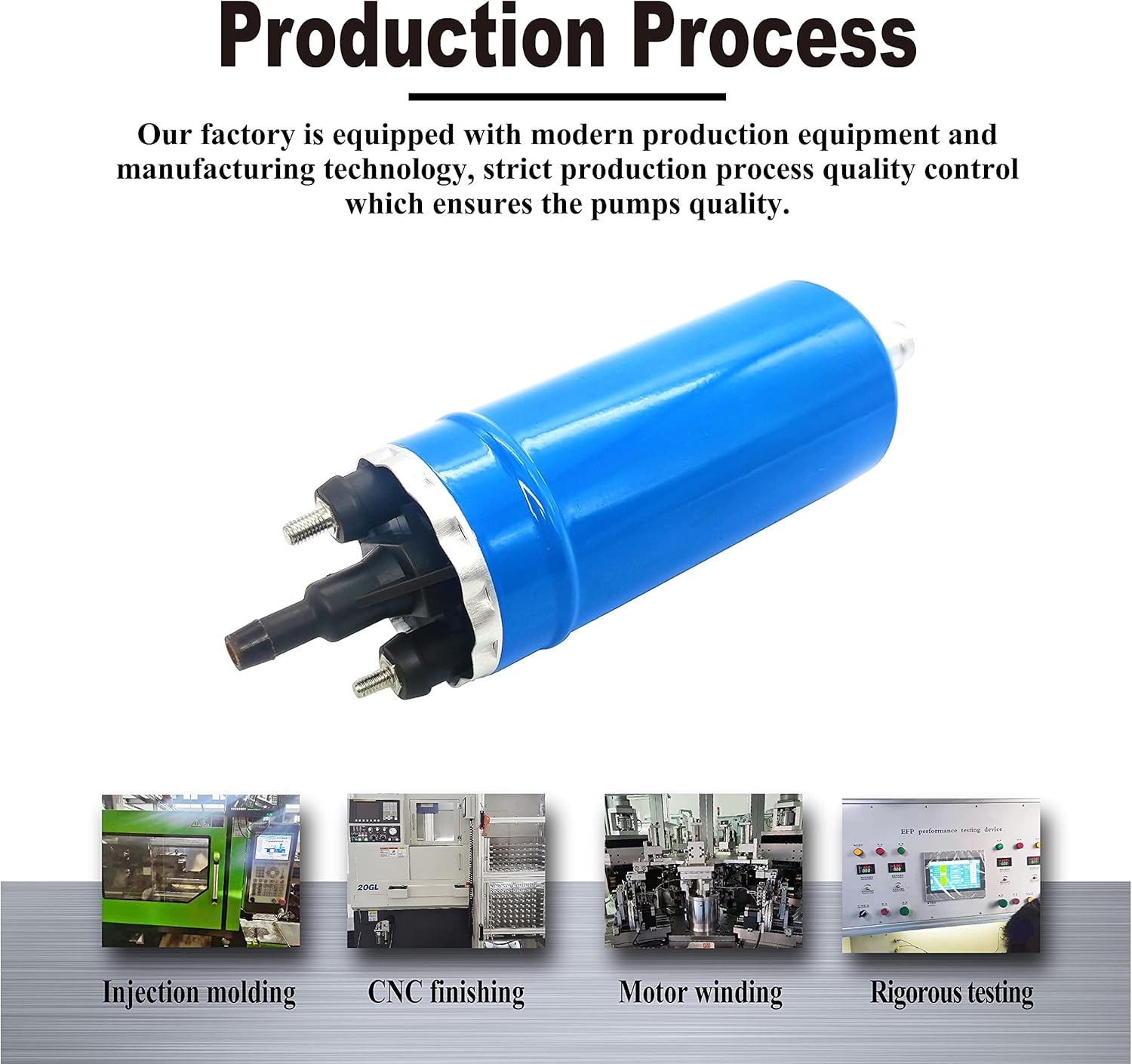
Image 5.1: Overview of the production process, highlighting key stages such as injection molding, CNC finishing, motor winding, and comprehensive testing.

Image 5.2: Fuel pumps undergoing an air tightness test to ensure sealed integrity.

Image 5.3: Testing setup for evaluating pump jitter and noise levels.

Image 5.4: Multiple fuel pumps undergoing simultaneous pressure and flow rate testing.

Image 5.5: A fuel pump connected to a precision instrument for detailed pressure and current measurement.
6. Troubleshooting
If you encounter issues with your fuel pump, refer to the common problems and solutions below:
| Problem | Possible Cause | Solution |
|---|---|---|
| Pump does not run | No power supply; Incorrect wiring/polarity; Blown fuse; Faulty relay | Check power connections and voltage; Verify wiring and polarity (M4+, M5-); Inspect and replace fuse; Test and replace relay. |
| Low fuel pressure/flow | Clogged fuel filter; Kinked fuel line; Air leak in suction line; Low voltage; Worn pump | Replace fuel filter(s); Inspect and clear fuel lines; Check for air leaks and seal connections; Verify 12V power supply; If all else fails, pump may need replacement. |
| Fuel leak | Loose connections; Damaged fuel line/fittings; Cracked pump housing | Tighten all connections; Replace damaged fuel lines or fittings; Inspect pump housing for damage. |
| Excessive noise/vibration | Air in fuel system; Improper mounting; Internal pump issue | Bleed air from fuel system; Ensure pump is securely mounted; If noise persists, pump may be faulty. |
7. Specifications
| Specification | Value |
|---|---|
| Brand | DPHXF |
| Model Number | MSY-002 |
| Fit Type | Vehicle Specific Fit |
| Vehicle Service Type | Car |
| Item Dimensions (L x W x H) | 8.07 x 3.93 x 2.75 inches |
| Material | Aluminum |
| Specification Met | OE |
| Auto Part Position | Outside |
| Hose Length | 3.1 Inches |
| Outlet Connection Size | 0.25 Inches |
| Inlet Connection Size | 0.25 Inches |
| Outlet Connection Type | Threaded |
| Inlet Connection Type | Hose Barb |
| Connector Type | Push-to-Open |
| Gas Type | Gasoline |
| Mounting Type | Front Mount |
| Operation Mode | Automatic |
| Product Grade | Performance Part |
| Manufacturer | Masday |
| UPC | 768564302892 |
| Item Weight | 1.68 pounds |
| Country of Origin | China |
| Date First Available | August 25, 2021 |
8. Warranty and Support
For warranty information or technical support, please refer to the product packaging or contact the manufacturer, Masday, directly. Keep your purchase receipt for warranty claims.
Ask a question about this manual
Ask about setup, troubleshooting, compatibility, parts, safety, or missing instructions. Manuals+ will review the question and use this page’s manual context to help answer it.