1. Introduction and Overview
This manual provides essential information for the safe and effective operation, maintenance, and care of your oein HSP 94106 1:10 Scale 4WD Nitro RC Car. Please read this manual thoroughly before operating the vehicle to ensure proper function and longevity.
The HSP 94106 is a 1:10 scale, high-speed, four-wheel-drive off-road remote control car designed for performance. It features a nitro-powered engine, independent suspension, and oil-filled shocks for robust handling on various terrains.

Figure 1: Front-side view of the HSP 94106 Nitro RC Car.

Figure 2: Front view of the HSP 94106 Nitro RC Car.

Figure 3: Side view of the HSP 94106 Nitro RC Car.
2. Product Components
The following items are typically included with your HSP 94106 RC Car:
- HSP 94106 1:10 Scale 4WD Nitro RC Car
- 2.4Ghz Remote Control Transmitter
- Fuel bottle (empty)
- Glow plug igniter (may require separate battery)
- Wheel wrench
- Small screwdrivers
- AC charger for igniter (if included)

Figure 4: Typical package contents for the HSP 94106 RC Car.
3. Setup
3.1 Transmitter Battery Installation
- Locate the battery compartment on the back of the remote control transmitter.
- Open the battery cover.
- Insert the required batteries (typically AA, refer to transmitter markings) ensuring correct polarity.
- Close the battery cover securely.
3.2 Fueling the Vehicle
This vehicle operates on nitro fuel. Use only high-quality RC nitro fuel (typically 16% or 20% nitromethane for break-in, then 20-25% for regular use) from a reputable hobby supplier. Do not use gasoline or other fuels.
- Ensure the engine is cool.
- Carefully open the fuel tank cap.
- Using the provided fuel bottle, slowly fill the fuel tank, avoiding overfilling.
- Securely close the fuel tank cap.
3.3 Engine Break-in Procedure
Proper engine break-in is critical for the longevity and performance of your nitro engine. Failure to follow break-in procedures can lead to premature engine wear or damage.
- First Tank: Start the engine (refer to Section 4.1). Let it idle with the wheels off the ground for 5-10 minutes. Do not rev the engine. Keep the high-speed needle rich (turned out 3-4 turns from fully closed) to ensure sufficient lubrication.
- Second & Third Tanks: Drive the car slowly, avoiding full throttle or sustained high RPMs. Gradually increase speed and throttle input. Continue to keep the engine running rich.
- Subsequent Tanks: Continue to gradually lean out the high-speed needle (turn clockwise in small increments, 1/8th turn at a time) and increase throttle usage. Monitor engine temperature; it should not exceed 250-275°F (120-135°C).
Consult online resources or a local hobby shop for detailed nitro engine tuning guides if you are new to nitro RC vehicles.
4. Operating Instructions
4.1 Starting the Engine
- Ensure the fuel tank is filled.
- Turn on the remote control transmitter first, then the receiver on the car.
- Place the glow plug igniter onto the engine's glow plug.
- Pull the recoil starter cord firmly and smoothly until the engine starts. Do not pull the cord to its full extension or let it snap back.
- Once the engine starts, remove the glow plug igniter.
- Allow the engine to warm up for a minute or two before driving.
4.2 Driving the Vehicle
The 2.4Ghz remote control provides proportional steering and throttle control.
- Throttle Trigger: Pull to accelerate forward, push to brake/reverse.
- Steering Wheel: Turn left or right to steer the vehicle.
- Trim Adjustments: Use the steering trim and throttle trim dials on the transmitter to fine-tune the vehicle's straight-line tracking and idle speed.
Always operate the vehicle in open areas, away from people, pets, and obstacles. Be aware of your surroundings.

Figure 5: The HSP 94106 RC Car is designed for diverse terrains.
4.3 Stopping the Engine
To stop the engine, pinch the fuel line between the fuel tank and the carburetor. This will starve the engine of fuel and cause it to stop. Alternatively, you can use the brake to stall the engine, but pinching the fuel line is generally preferred to prevent excessive wear on the clutch.
5. Maintenance
Regular maintenance is essential for optimal performance and longevity of your RC car.
5.1 Post-Run Cleaning
- Remove dirt and debris from the chassis, suspension, and engine using a soft brush or compressed air.
- Inspect for loose screws, damaged parts, or worn tires.
5.2 Engine Care
- Air Filter: Clean and re-oil the air filter regularly, especially after dusty conditions. A dirty air filter can restrict airflow and damage the engine.
- After-Run Oil: After each running session, especially if storing the car for an extended period, apply a few drops of after-run oil into the carburetor and glow plug hole. This prevents corrosion.
- Glow Plug: Inspect the glow plug for wear. Replace if the filament is broken or corroded.
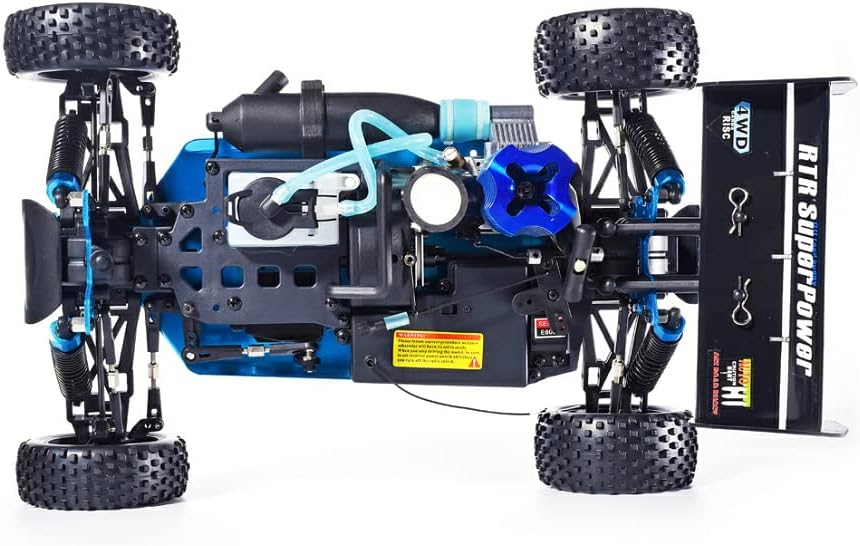
Figure 6: Underside view showing the nitro engine and related components.
5.3 Chassis and Drivetrain
- Chassis: Check the 6061/T6 solid anodized aluminum chassis for bends or damage.
- Suspension: Inspect oil-filled shocks for leaks and ensure smooth operation.
- Bearings: Periodically check and clean ball bearings. Replace any that feel rough.
- Brakes: Inspect the fiberglass disc brake system and user-replaceable pads for wear.

Figure 7: Bottom view of the chassis, showing the aluminum plate.
6. Troubleshooting
This section addresses common issues you might encounter.
6.1 Engine Will Not Start
- No Fuel: Ensure the fuel tank is filled with appropriate nitro fuel.
- Glow Plug: Check if the glow plug igniter is charged and properly connected. Inspect the glow plug filament; replace if broken.
- Flooded Engine: If the engine is flooded (too much fuel), remove the glow plug, turn the car upside down, and pull the recoil starter a few times to clear excess fuel. Reinstall the glow plug and try again.
- Engine Tuning: Incorrect carburetor settings (too rich or too lean) can prevent starting. Refer to the break-in procedure for initial settings.
6.2 Engine Stalls Frequently
- Lean Mixture: The engine may be running too lean. Adjust the high-speed needle slightly counter-clockwise (richer).
- Idle Speed: The idle speed may be too low. Adjust the idle screw on the carburetor to increase idle RPM.
- Air Filter: A clogged air filter can cause stalling. Clean or replace the air filter.
6.3 Loss of Control/Range
- Transmitter Batteries: Check if the transmitter batteries are low or depleted.
- Antenna: Ensure the receiver antenna on the car is fully extended and not damaged.
- Interference: Operate in an area free from other 2.4Ghz devices or strong radio interference.
7. Specifications
| Feature | Specification |
|---|---|
| Model Number | 94106 |
| Scale | 1:10 |
| Drive System | 4-Wheel Drive (Shaft Driven) |
| Engine Type | Nitro (18CXP) |
| Max Speed | Up to 65 km/h |
| Chassis Material | 6061/T6 Anodized Aluminum |
| Suspension | Independent, Oil-filled Shocks |
| Brake System | Fibreglass Disc Brake |
| Radio System | 2.4Ghz Digital Proportional |
| Product Dimensions | 16 x 10 x 7 inches |
| Item Weight | 8.23 pounds |
8. Warranty and Support
This product is covered by a standard manufacturer's warranty against defects in materials and workmanship. Specific warranty terms and duration may vary by region and retailer. Please retain your proof of purchase for warranty claims.
For technical support, spare parts, or warranty inquiries, please contact the retailer where you purchased the product or refer to the manufacturer's official website for contact information.