
HiSport HSVSS12040
HiSport Transmission Speed Sensor 83181-12040 User Manual
Model: HSVSS12040
1. Introduction
This manual provides essential information for the installation, operation, and maintenance of the HiSport Transmission Speed Sensor, model 83181-12040 (HSVSS12040). This sensor is designed to accurately measure vehicle speed and transmit this data to the vehicle's control systems, contributing to proper transmission function and overall vehicle performance.

Image 1.1: The HiSport Transmission Speed Sensor 83181-12040. This image displays the sensor's main body, electrical connector, and the gear at the end of the shaft.
2. Product Specifications
The HiSport Transmission Speed Sensor (HSVSS12040) features the following technical specifications:
- Part Number: 83181-12040
- Manufacturer Part Number: HSVSS12040
- Interchange Part Numbers: 917-662, SC149, 8318112040, SU5634, 5S4864, 94853145, 72-3851, 723851, VSS247, VB0164, 0905018, 090-5018, GT7610-29, 213452, 2VSS0267, 5S4647, SU1262
- Material: Acrylonitrile Butadiene Styrene (ABS) for the housing, with copper, nickel, or silver-plated electrical terminals.
- Item Weight: Approximately 0.15 Kilograms (5.3 ounces)
- Mounting Type: Flange Mount (Trans Mount)
- Output Type: Push-Pull
- Connector Configuration: 3-Prong Blade Male Terminal; 1 Female Connector (Rectangular shape)
- Gear Count: 22 gears (on the sensor shaft)
- Specific Uses: Speed detection, Wheel Speed measurement

Image 2.1: Illustration highlighting the materials used in the sensor, including copper, nickel, or silver-plated electrical terminals for durability and conductivity.

Image 2.2: Close-up view of the sensor's 3-pin electrical connector, designed for a precise and secure fit.
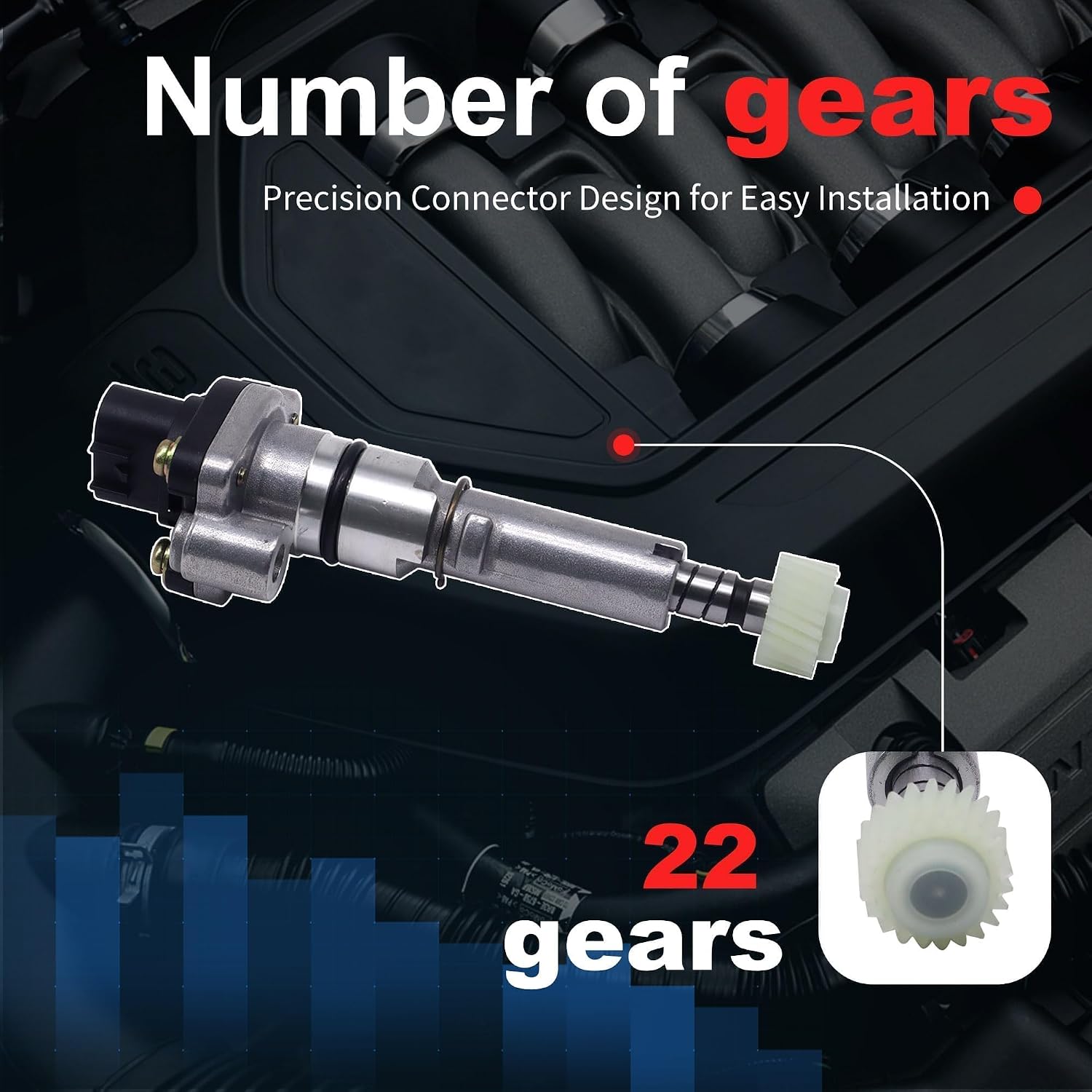
Image 2.3: Close-up of the sensor's shaft showing the 22-tooth gear, which engages with the transmission's internal components to measure speed.
3. Vehicle Compatibility
This HiSport Transmission Speed Sensor (83181-12040) is compatible with various vehicle models. Please verify your vehicle's specific year, make, model, and engine size against the list below to ensure proper fitment.
| Make | Model | Years | Engine Size |
|---|---|---|---|
| Chevrolet | Prizm | 1998-2002 | 1.8L |
| Geo | Prizm | 1991-1997 | 1.6L |
| Lexus | ES300 | 1994-2001 | 3.0L |
| Toyota | Avalon | 1995-1999 | 3.0L |
| Toyota | Camry | 1992-2004 | 2.2L/2.4L/3.0L |
| Toyota | Celica | 1994-2005 | 1.8L |
| Toyota | Corolla | 1992-2002 | 1.5L/1.6L/1.8L |
| Toyota | Echo | 2000-2005 | 1.5L |
| Toyota | RAV4 | 2001-2005 | 2.0L/2.4L |
| Toyota | Solara | 1999-2005 | 2.2L/2.4L/3.0L/3.3L |
| Toyota | Yaris | 2006-2015 | 1.5L |

Image 3.1: Visual representation of compatible vehicle models and years for the HiSport Transmission Speed Sensor.
4. Installation Instructions
The vehicle speed sensor (VSS) is typically installed in the transaxle case or transmission case. The speed sensor signal line is usually protected by a shielded jacket. Proper installation is crucial for accurate performance.
4.1 Safety Precautions
- Always wear appropriate personal protective equipment, including safety goggles, during installation.
- Ensure the vehicle is safely supported on jack stands or a lift before working underneath.
- Disconnect the vehicle's battery to prevent electrical hazards.
- Allow the engine and transmission to cool down before beginning work.
4.2 Installation Steps
- Locate the existing vehicle speed sensor on your vehicle's transaxle or transmission case. Consult your vehicle's service manual for the exact location.
- Carefully disconnect the electrical connector from the old sensor.
- Remove the retaining bolt or clip that secures the old sensor in place.
- Gently pull out the old sensor from its mounting bore. Be prepared for a small amount of transmission fluid to leak out.
- Clean the mounting bore to ensure a proper seal for the new sensor.
- Insert the new HiSport Transmission Speed Sensor into the mounting bore, ensuring the gear aligns correctly.
- Secure the new sensor with the retaining bolt or clip. Do not overtighten.
- Reconnect the electrical connector to the new sensor, ensuring it clicks into place.
- Reconnect the vehicle's battery.
- Start the vehicle and check for proper operation and any diagnostic trouble codes.
It is recommended to search for related installation videos online for visual guidance. If you lack similar experience, professional assistance from an automotive specialist is advised for installation.

Image 4.1: Illustration depicting the ease of installation, emphasizing a plug-and-play design that typically requires no special tools or extra time.
5. Operation
The HiSport Transmission Speed Sensor (VSS) plays a critical role in your vehicle's operation by monitoring the rotational speed of the transmission output shaft. This information is then sent to the vehicle's Engine Control Unit (ECU) or Transmission Control Unit (TCU).
The ECU/TCU uses this speed data for several functions, including:
- Speedometer/Odometer: Providing accurate vehicle speed readings to the dashboard.
- Transmission Shift Points: Optimizing automatic transmission shift points for smooth and efficient gear changes.
- Cruise Control: Maintaining a set vehicle speed.
- Engine Management: Assisting in fuel injection and ignition timing calculations.
- Safety Systems: Contributing data to systems like Anti-lock Braking System (ABS) and Traction Control System (TCS).
A properly functioning speed sensor ensures the vehicle's systems receive correct speed data, which is essential for safe and efficient driving.

Image 5.1: Depiction of the speed sensor's function in detecting and displaying the vehicle's driving speed, which improves safety and driving smoothness.
6. Maintenance
The HiSport Transmission Speed Sensor is designed for durability and long-term performance. Routine maintenance for the sensor itself is generally not required. However, periodic checks of related components can help ensure its continued functionality:
- Wiring Harness: Inspect the sensor's wiring harness for any signs of damage, fraying, or corrosion. Ensure the connector is securely seated.
- Mounting: Verify that the sensor remains securely mounted in its position. Loose mounting can affect readings.
- Fluid Leaks: Check for any transmission fluid leaks around the sensor's mounting point, which could indicate a compromised seal.
If any issues are observed, it is recommended to consult a qualified automotive technician.
7. Troubleshooting
If you experience issues that may be related to the transmission speed sensor, consider the following common symptoms and potential solutions:
7.1 Common Symptoms of a Faulty Speed Sensor
- Inaccurate or erratic speedometer/odometer readings.
- Automatic transmission shifting issues (e.g., harsh shifts, delayed shifts, or failure to shift).
- Cruise control malfunction.
- Check Engine Light (CEL) illuminated, often with diagnostic trouble codes (DTCs) related to vehicle speed sensor circuits (e.g., P0500).
- Engine stalling or rough idling, particularly at low speeds.
7.2 Troubleshooting Steps
- Check for Diagnostic Trouble Codes (DTCs): Use an OBD-II scanner to retrieve any stored codes. Codes like P0500 often point to a speed sensor issue.
- Inspect Wiring and Connector: Visually check the sensor's wiring harness and connector for any signs of damage, corrosion, or loose connections. Repair as necessary.
- Verify Sensor Mounting: Ensure the sensor is securely seated in its bore.
- Professional Diagnosis: If symptoms persist after basic checks, it is highly recommended to have the vehicle diagnosed by a certified automotive technician. They can perform advanced electrical tests on the sensor and its circuit.
Note: A faulty speed sensor can sometimes mimic other transmission or engine problems. Accurate diagnosis is key.
8. Warranty and Support
HiSport ensures the provision of a brand new speed sensor. For any issues encountered with this product, please contact HiSport customer support. Our assistance team is available to help you within 24 hours.
For support inquiries, please refer to the contact information provided with your purchase or visit the official HiSport website.
Ask a question about this manual
Ask about setup, troubleshooting, compatibility, parts, safety, or missing instructions. Manuals+ will review the question and use this page’s manual context to help answer it.