
Sangoma P315
Sangoma P315 IP Phone User Manual
Model: P315 | Part Number: 1TELP315LF
1. Introduction
This user manual provides comprehensive instructions for the setup, operation, and maintenance of your Sangoma P315 IP Phone. Please read this manual thoroughly to ensure proper use and to maximize the features of your device. For additional support, refer to the official Sangoma documentation and support resources.
2. Product Overview
The Sangoma P315 is a 2-line SIP IP Phone designed for clear communication with HD Voice quality. It features a 2.4-inch color display and supports Gigabit Ethernet connectivity. This phone is compatible with Sangoma's UC offerings, including Switchvox, PBXact, FreePBX, and Asterisk, offering seamless auto-provisioning.
2.1 Key Features
- 2-line appearance keys for managing multiple calls.
- 2.4-inch (320 x 240 pixel) backlit color LCD display for clear visibility.
- High-definition call quality for superior audio.
- Power over Ethernet (PoE) support with 2 switched 10/100/1000 Mbps Gigabit Ethernet ports.
- Built-in EHS support for Sangoma H10 and H20 wireless headsets.
- Secure deployments with SRTP/TLS and VLAN support.
- Compatibility with Switchvox 7.7, FreePBX v14, PBXact v14, Asterisk v16, Endpoint Manager v14/v15, DPMA 3.6.x.
2.2 Phone Components
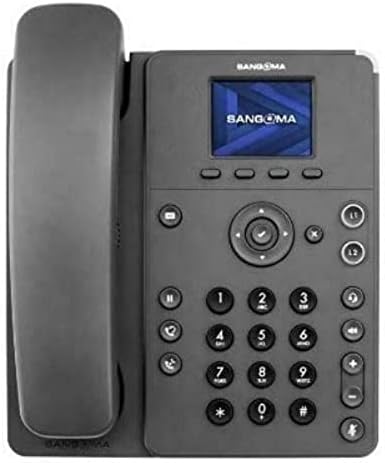
Figure 1: Sangoma P315 IP Phone Front View
The Sangoma P315 IP Phone features a standard telephone handset on the left, connected to the main unit. The main unit includes a 2.4-inch color display at the top, below which are four context-sensitive soft keys. A navigation cluster with a central 'OK' button is located below the soft keys. To the left of the navigation cluster are dedicated buttons for message, headset, and speakerphone. To the right are line keys (L1, L2) and call management buttons (hold, transfer, conference, mute, volume up/down). A standard numeric keypad (0-9, *, #) is positioned centrally on the lower part of the unit.
3. Setup
3.1 Package Contents
Before proceeding, ensure all components are present:
- Sangoma P315 IP Phone unit
- Handset and handset cord
- Ethernet cable
- Phone stand
- Note: A 12V Power Adapter (1TELP001LF) is not included and may be required if PoE is not available.
3.2 Physical Connection
- Attach the Phone Stand: Align the stand with the slots on the back of the phone unit and snap it into place.
- Connect the Handset: Plug one end of the coiled handset cord into the handset and the other end into the handset port on the phone unit (usually marked with a handset icon).
- Connect to Network:
- If using Power over Ethernet (PoE): Connect one end of the Ethernet cable to the LAN port on the phone and the other end to a PoE-enabled network switch or router.
- If using an AC Adapter (sold separately): Connect the AC adapter to the power port on the phone, then connect one end of the Ethernet cable to the LAN port on the phone and the other end to a standard network switch or router.
- Connect to PC (Optional): If you wish to connect a computer through the phone, connect an Ethernet cable from your PC to the PC port on the phone.
3.3 Initial Boot-up and Provisioning
Once connected to the network and powered on, the phone will begin its boot-up sequence. The Sangoma P315 supports auto-provisioning with Sangoma's UC platforms. The phone will attempt to obtain network settings and configuration from your PBX system automatically. This process may take a few minutes. Once complete, the display will show your line status and be ready for use.
4. Operating Instructions
4.1 Basic Call Functions
- Making a Call:
- Pick up the handset, press the speakerphone button, or press an available line key.
- Dial the desired number using the numeric keypad.
- Press the Dial soft key or wait for the call to connect automatically.
- Answering a Call: When the phone rings, pick up the handset, press the speakerphone button, or press the flashing line key.
- Ending a Call: Hang up the handset, press the speakerphone button again, or press the End Call soft key.
4.2 Advanced Call Features
- Hold: During an active call, press the Hold button. Press it again to resume the call.
- Transfer: During an active call, press the Transfer button. Dial the number to transfer to, then press the Transfer soft key again (blind transfer) or wait for the party to answer and then press Transfer (attended transfer).
- Conference: During an active call, press the Conference button. Dial the number of the third party, and once connected, press the Conference soft key again to join all parties.
- Mute: Press the Mute button to mute your microphone during a call. Press it again to unmute.
- Voicemail: Press the Message button to access your voicemail. Follow the voice prompts.
- Volume Adjustment: Use the Volume Up/Down buttons to adjust the handset, headset, or speakerphone volume during a call, or the ringer volume when idle.
4.3 Display Navigation
The 2.4-inch color display provides access to various phone features and settings. Use the navigation cluster (up, down, left, right arrows, and central OK button) to scroll through menus and select options. The soft keys below the display change their function based on the current screen or call status.
5. Maintenance
5.1 Cleaning the Phone
To maintain the appearance and functionality of your phone:
- Use a soft, slightly damp, lint-free cloth to wipe the phone's surface.
- Avoid using harsh chemicals, abrasive cleaners, or aerosol sprays, as these can damage the phone's finish and internal components.
- Do not spray cleaners directly onto the phone.
5.2 Software Updates
Your Sangoma P315 IP Phone may receive software updates to improve performance, add features, or address security vulnerabilities. These updates are typically managed by your system administrator through the PBX. Do not attempt to manually update firmware unless instructed by your administrator or Sangoma support.
6. Troubleshooting
If you encounter issues with your Sangoma P315 IP Phone, refer to the following common problems and solutions:
| Problem | Possible Cause | Solution |
|---|---|---|
| No dial tone / Cannot make or receive calls | Network cable disconnected, no power, incorrect network configuration, PBX issue. |
|
| Display is blank or frozen | Power issue, software glitch. |
|
| Poor audio quality (echo, static) | Network congestion, faulty cable, environmental interference. |
|
For issues not covered here, please contact your IT department or Sangoma technical support.
7. Specifications
| Feature | Detail |
|---|---|
| Model | P315 |
| Part Number | 1TELP315LF |
| Display | 2.4-inch (320 x 240 pixel) backlit color LCD |
| Line Keys | 2 |
| Ethernet Ports | 2 x 10/100/1000 Mbps Gigabit Ethernet (switched) |
| Power Source | PoE (Power over Ethernet) and AC Adapter (12V, not included) |
| Headset Support | EHS support for Sangoma H10 and H20 wireless headsets |
| Security | SRTP/TLS, VLAN support |
| Dimensions (approx.) | 27.9 x 21.3 x 8.9 cm (10.98 x 8.39 x 3.5 inches) |
| Weight (approx.) | 1.08 kg (2.38 lbs) |
| UPC | 797734603330 |
8. Warranty and Support
8.1 Product Warranty
The Sangoma P315 IP Phone comes with a standard manufacturer's warranty. For detailed information regarding warranty terms, duration, and coverage, please refer to the warranty card included with your product or visit the official Sangoma website. Keep your proof of purchase for warranty claims.
8.2 Technical Support
For technical assistance, troubleshooting beyond this manual, or advanced configuration, please contact your system administrator or Sangoma technical support. You can find contact information and additional resources on the official Sangoma support portal.
Online Resources: www.sangoma.com/support
Related documentsP315


Ask a question about this manual
Ask about setup, troubleshooting, compatibility, parts, safety, or missing instructions. Manuals+ will review the question and use this page’s manual context to help answer it.