1. Important Safety Information
Please read this manual thoroughly before operating your appliance to ensure safe and efficient use. Keep these instructions for future reference.
- Ensure the appliance is unplugged before cleaning or maintenance.
- Do not damage the refrigerant circuit.
- Do not use electrical appliances inside the food storage compartments unless they are of the type recommended by the manufacturer.
- This appliance is intended for household use only.
- Keep ventilation openings clear of obstruction.
2. Setup and Installation
2.1 Unpacking
Remove all packaging materials, tapes, and protective films from the refrigerator. Inspect the appliance for any damage during transit. Report any damage to your retailer immediately.
2.2 Placement
- Place the refrigerator on a firm, level surface. Use the adjustable feet to level the appliance if necessary.
- Ensure adequate ventilation around the appliance. Maintain a minimum distance of 5 cm (2 inches) from walls and other appliances to allow for proper air circulation.
- Avoid placing the refrigerator near heat sources such as direct sunlight, ovens, or radiators, as this will increase energy consumption.
- The appliance is designed for operation in ambient temperatures between 10°C and 43°C.

Figure 1: Exterior view of the Beko RDNE430K12B No Frost Refrigerator. This image shows the overall design and black finish of the appliance.
2.3 Electrical Connection
Connect the appliance to a grounded power outlet with a voltage of 240 Volts AC. Ensure the power cord is not trapped or damaged. Do not use extension cords or multiple socket adapters.
2.4 Initial Use
After installation, wait at least 4 hours before plugging in the appliance to allow the refrigerant to settle. Once plugged in, allow the refrigerator to operate for 6-12 hours empty to reach its optimal operating temperature before loading with food.
2.5 Door Reversal
This refrigerator features a reversible door, allowing it to open from either the left or right side. If you wish to change the door opening direction, please refer to the detailed instructions provided in the separate installation guide or contact qualified service personnel.
3. Operating Your Refrigerator
3.1 Temperature Control
The Beko RDNE430K12B refrigerator uses a mechanical control system with a sensor to regulate temperature. The thermostat dial, typically located inside the refrigerator compartment, allows you to adjust the cooling intensity. Turn the dial to a higher number for colder temperatures and a lower number for warmer temperatures. Start with a medium setting and adjust as needed based on ambient temperature and food load.
3.2 Food Storage Guidelines
Proper food storage helps maintain freshness and prevents spoilage.
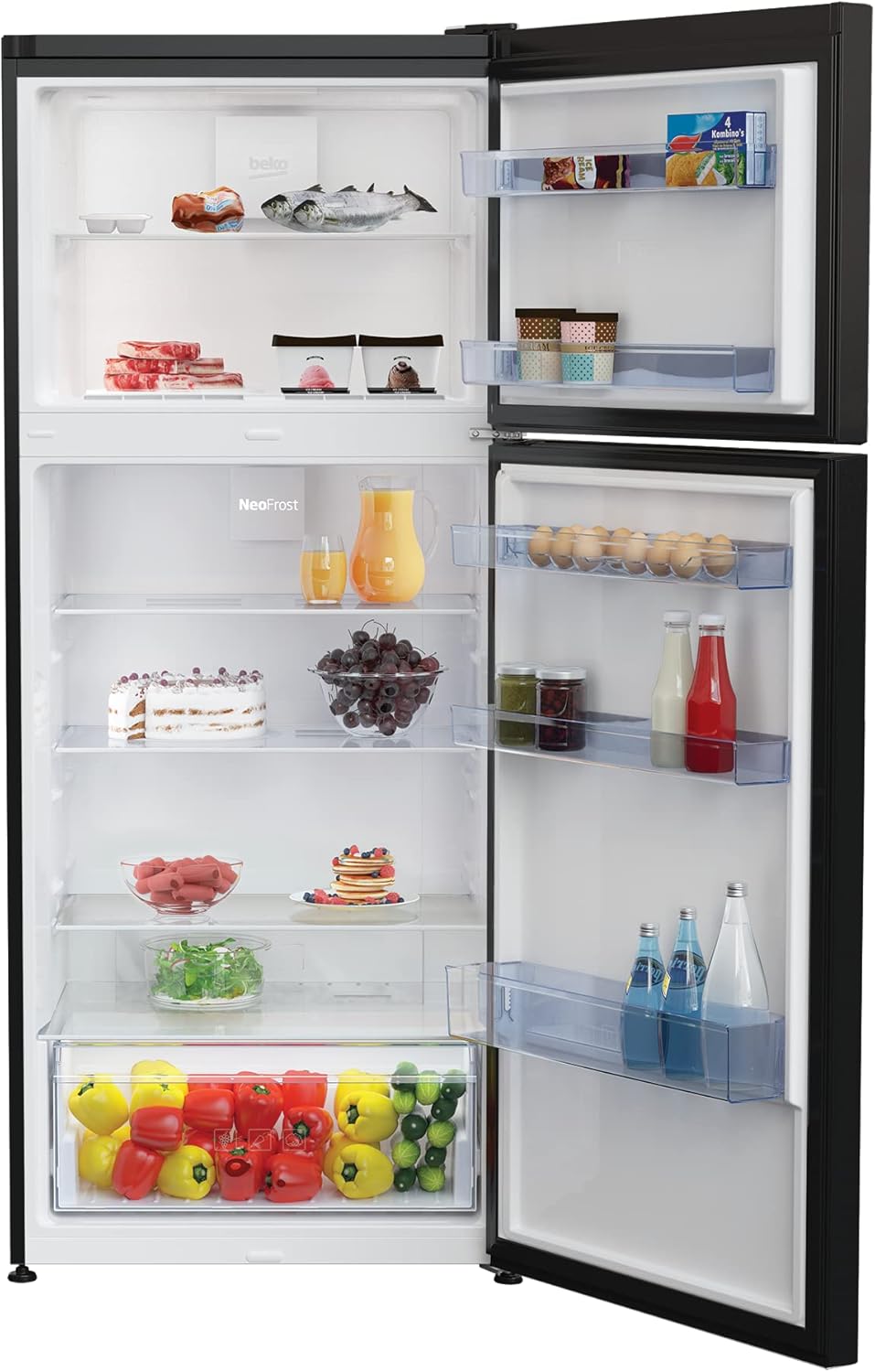
Figure 2: Interior view of the Beko RDNE430K12B refrigerator, showing various food items stored on shelves and in door bins. This illustrates typical food placement within the fresh food and freezer compartments.
- Fresh Food Compartment (274 Liters): Store fruits and vegetables in the crisper drawer. Dairy products, cooked foods, and beverages should be placed on the shelves. Ensure food is covered to prevent drying out and odor transfer.
- Freezer Compartment (93 Liters): Use for long-term storage of frozen foods. Ensure packages are sealed to prevent freezer burn. The daily freezing capacity is 6 kg, and daily ice making capacity is 1.5 kg.
3.3 NeoFrost Technology
Your Beko RDNE430K12B refrigerator features NeoFrost technology, which provides two separate cooling systems for the fresh food and freezer compartments. This prevents odor transfer between compartments and maintains optimal humidity levels in the fresh food section, keeping food fresher for longer. The No Frost system eliminates the need for manual defrosting.
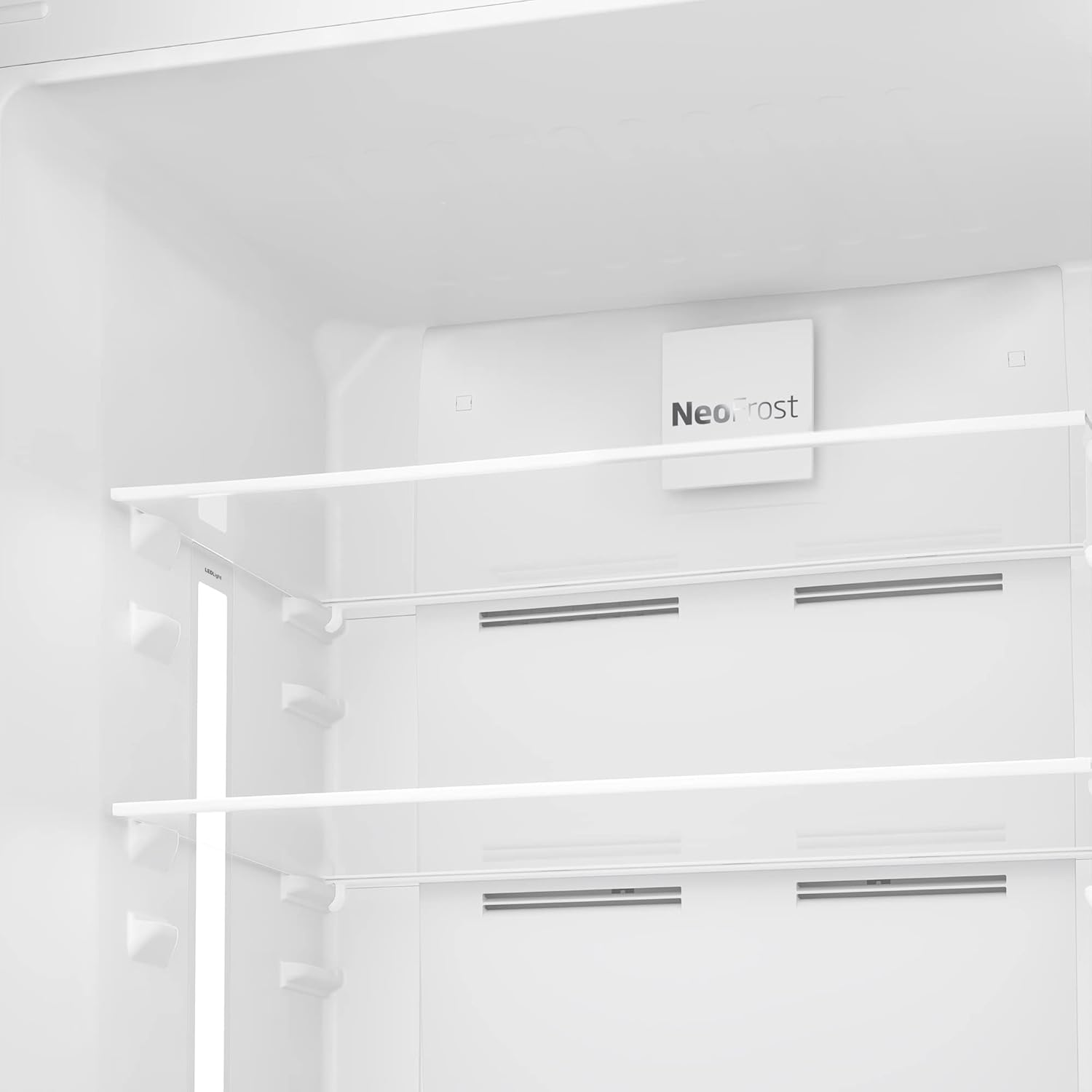
Figure 3: Close-up view of the "NeoFrost" label inside the refrigerator compartment, indicating the advanced cooling technology.
3.4 Interior Lighting
The refrigerator compartment is illuminated by energy-efficient LED lighting located on the left wall, providing clear visibility of the contents.
4. Maintenance and Cleaning
Regular cleaning and maintenance will ensure the longevity and optimal performance of your refrigerator.
- Before Cleaning: Always unplug the refrigerator from the power outlet before cleaning.
- Interior Cleaning: Wipe the interior surfaces with a soft cloth dampened with a solution of warm water and a mild, non-abrasive detergent. Rinse with clean water and dry thoroughly. Do not use harsh chemicals or abrasive cleaners.
- Exterior Cleaning: Clean the exterior surfaces with a soft cloth and a mild detergent. For the black finish, avoid abrasive materials that could scratch the surface.
- Door Seals: Regularly check and clean the door gaskets to ensure they are free from food particles and remain flexible. Clean with warm soapy water and dry thoroughly. The anti-bacterial gasket helps prevent bacterial growth.
- Anti-bacterial Odor Filter: The refrigerator is equipped with an anti-bacterial odor filter. Refer to the full product manual for instructions on cleaning or replacing this filter, if applicable.
- No Frost System: As this is a No Frost appliance, manual defrosting of the freezer compartment is not required.
5. Troubleshooting
Before contacting service, please check the following common issues and solutions:
| Problem | Possible Cause | Solution |
|---|---|---|
| Refrigerator does not operate. | No power, plug loose, fuse blown. | Check power supply, ensure plug is secure, check household fuses. |
| Temperature inside is not cold enough. | Door opened too frequently, thermostat set too high, large amount of warm food added, poor ventilation. | Avoid frequent door openings, adjust thermostat to a colder setting, allow warm food to cool before placing inside, ensure proper ventilation. |
| Excessive noise. | Appliance not level, items rattling inside, compressor noise (normal). | Level the appliance using adjustable feet, rearrange items, compressor noise is normal during operation. |
| Water on the bottom of the refrigerator compartment. | Drain hole blocked. | Clear the drain hole at the back of the refrigerator compartment. |
If the problem persists after checking these points, please contact authorized service personnel.
6. Specifications
Key technical specifications for the Beko RDNE430K12B Refrigerator:
| Feature | Detail |
|---|---|
| Model Number | RDNE430K12B |
| Brand | Beko |
| Total Capacity | 430 Liters |
| Fresh Food Compartment Volume | 274 Liters |
| Freezer Compartment Volume | 93 Liters |
| Defrost Type | No Frost (Frost Free) |
| Installation Type | Freestanding |
| Color | Black |
| Voltage | 240 Volts (AC) |
| Noise Level | 43 dB |
| Height | 172 cm |
| Width | 70 cm |
| Shipping Weight | 70 kg |
| Material Type | Stainless Steel (finish/components) |
| Door Features | Reversible Door, Anti-bacterial Door Handle |
| Special Features | Anti-bacterial Gasket, Anti-bacterial Odor Filter, LED Lighting |
7. Warranty and Support
Your Beko RDNE430K12B Refrigerator is covered by a manufacturer's warranty. Please refer to the warranty card included with your appliance for specific terms, conditions, and duration of coverage.
For technical assistance, service requests, or to purchase genuine spare parts, please contact Beko customer support or an authorized service center in your region. Contact details can typically be found on the Beko official website or in your warranty documentation.


