
1. Introduction
The Philips Avent Anti-Colic bottle, model SCF810/14, is engineered to minimize air ingestion during feeding, thereby reducing colic and discomfort in infants. Its unique integrated anti-colic valve system vents air away from your baby's tummy, promoting a more comfortable feeding experience.
2. Important Safety Information
Please read these instructions carefully before use and retain them for future reference. Your child's safety is paramount.
- Always use this product under adult supervision.
- Never use feeding teats as a soother.
- Continuous and prolonged sucking of fluids will cause tooth decay.
- Always check food temperature before feeding.
- Keep all components not in use out of children's reach.
- Before each use, inspect the feeding teat and pull it in all directions. Discard at the first signs of damage or weakness.
- Do not leave the feeding teat in direct sunlight or heat, or leave in disinfectant ('sterilizing solution') for longer than recommended, as this may weaken the teat.
- Do not allow children to play with small parts or walk/run with the bottle.
3. Product Components
The Philips Avent Anti-Colic bottle consists of a few simple parts for easy assembly and cleaning.
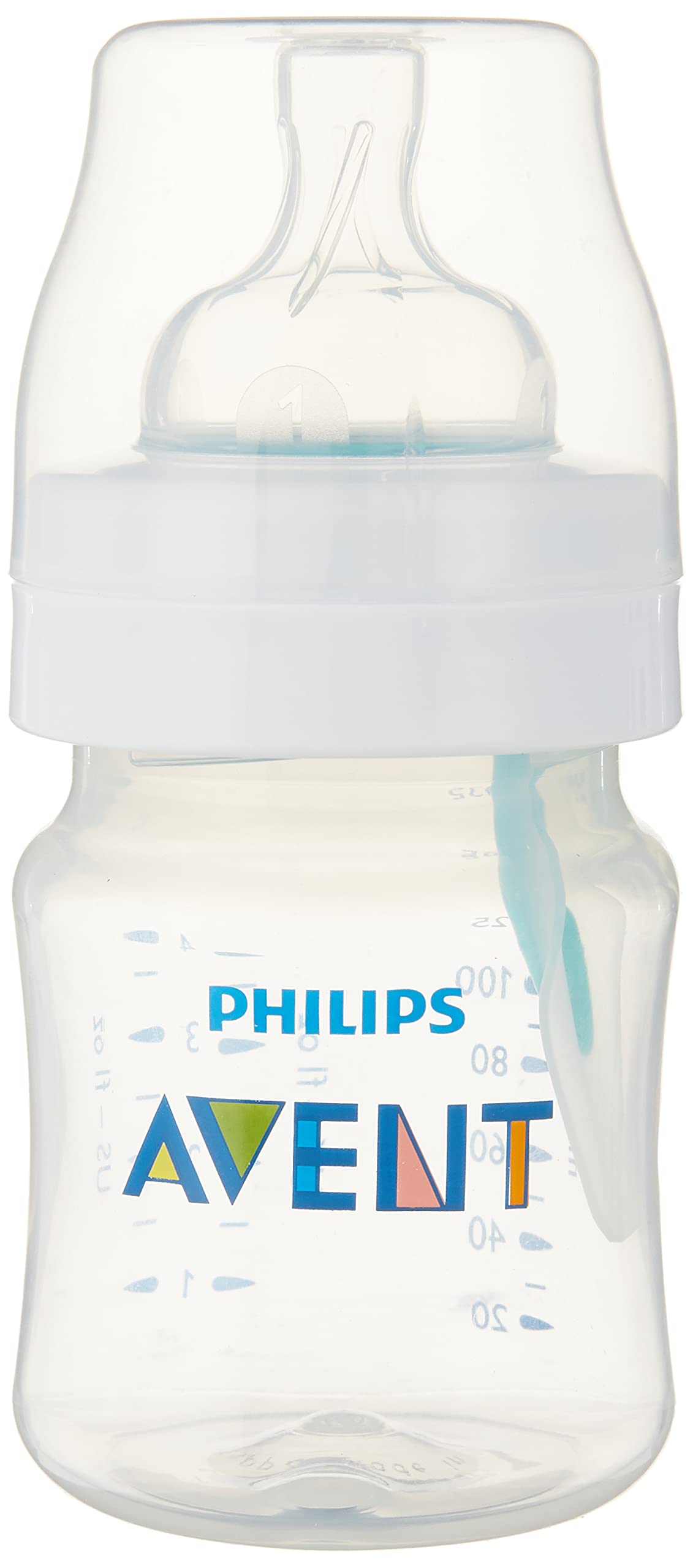
Image 1: Assembled Philips Avent Anti-Colic Baby Bottle.
- Bottle Cap: Protects the teat and prevents leakage during transport.
- Screw Ring: Secures the teat and AirFree™ vent to the bottle.
- Feeding Teat: Designed to stay full of milk, not air, for easier upright feeding.
- AirFree™ Vent: An innovative component designed to keep the teat full of milk, preventing air ingestion.
- Bottle: 125 ml (4 oz) capacity, made from polypropylene (PP).

Image 2: The AirFree™ vent component.
4. Before First Use
Before using the bottle for the first time, disassemble all parts and clean them thoroughly. Then, sterilize all components as described in the 'Cleaning and Sterilization' section.
5. Assembly Instructions
The Philips Avent Anti-Colic bottle can be used with or without the AirFree™ vent. For optimal anti-colic performance, it is recommended to use the AirFree™ vent.
Assembly with AirFree™ Vent:
- Insert the AirFree™ vent into the bottle, ensuring the small tab on the vent aligns with the groove on the bottle rim.
- Place the feeding teat into the screw ring, pulling it through until it is securely seated.
- Screw the assembled teat and screw ring onto the bottle until tight.
- Place the bottle cap over the teat.
Assembly without AirFree™ Vent:
- Place the feeding teat into the screw ring, pulling it through until it is securely seated.
- Screw the assembled teat and screw ring onto the bottle until tight.
- Place the bottle cap over the teat.
6. Feeding Instructions (Operating)
- Prepare formula or breast milk according to instructions.
- Fill the bottle with the desired amount of liquid. The bottle has clear measurement markings.
- Assemble the bottle as described in Section 5.
- When feeding with the AirFree™ vent, ensure the vent is positioned upwards during feeding. This keeps the teat full of milk and reduces air ingestion.
- Always check the temperature of the feed before giving it to your baby.
- Hold your baby in an upright position during feeding for optimal comfort and to further reduce air intake.

Image 3: Bottle showing clear volume measurements.
7. Cleaning and Sterilization (Maintenance)
Proper cleaning and sterilization are crucial for your baby's health.
Cleaning:
- Disassemble all parts of the bottle immediately after each use.
- Wash all components in warm, soapy water using a soft brush or sponge. Ensure all milk residue is removed.
- Rinse thoroughly under running water.
- All parts are dishwasher safe (top rack only).
Sterilization:
After cleaning, sterilize all parts using one of the following methods:
- Boiling: Place all disassembled parts in a pot of boiling water for 5 minutes. Ensure parts do not touch the sides of the pot to prevent damage.
- Steam Sterilizer: Use a Philips Avent steam sterilizer or another suitable steam sterilizer according to its instructions.
- Microwave Sterilizer: Use a microwave sterilizer according to its instructions.
- Cold Water Sterilization: Use a sterilizing solution according to the manufacturer's instructions.
8. Storage
- Store clean and sterilized bottles in a dry, covered container.
- Do not store feeding teats in direct sunlight or heat.
- For hygiene reasons, replace feeding teats every 3 months or sooner if they show signs of wear or damage.
9. Troubleshooting
| Problem | Possible Cause | Solution |
|---|---|---|
| Leaking from the bottle | Teat or screw ring not assembled correctly; components damaged. | Ensure all parts are securely assembled. Check teat and screw ring for damage and replace if necessary. |
| Baby is still colicky or gassy | Air ingestion; incorrect feeding position. | Ensure the AirFree™ vent is used and positioned upwards during feeding. Feed baby in an upright position. Consult a healthcare professional if symptoms persist. |
| Slow flow from teat | Teat blocked or damaged; incorrect teat flow for baby's age. | Check teat for blockages and clean. Ensure the correct flow rate teat is being used for your baby's age and feeding needs. |
10. Specifications
- Model Number: SCF810/14
- Capacity: 125 Milliliters (4 oz)
- Bottle Material: Polypropylene (PP)
- Bottle Type: Vented Bottle
- Bottle Nipple Type: Vented
- Microwaveable: Yes
- Product Dimensions: 6 x 6 x 13.45 cm
- Item Weight: 88 g
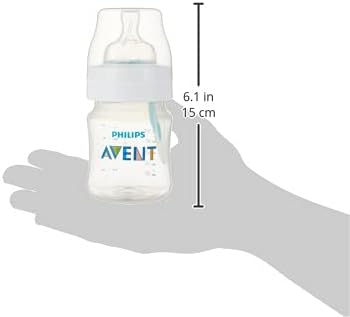
Image 4: Bottle dimensions for reference.
11. Warranty and Support
For detailed warranty information, please refer to the warranty card included with your purchase or visit the official Philips Avent website. For product support, questions, or concerns, please contact Philips customer service in your region:
- Philippines (PH): +63 2 667-9000 / 1-800-10-7445477
- Thailand (TH): 02-790-8588
- Vietnam (VN): 1800 599988 (Toll-free)
- Singapore (SG): 6295 5888/3999
- Australia (AU): 1300 363 391
- New Zealand (NZ): 0800 658 224
You can also find more information and support online at: www.philips.com/avent


