
1. Product Overview
The Acouto Internal Wiring Harness Trans 3C3Z-7G276AA is a brand new, high-quality automotive replacement accessory designed for specific Ford F-Series and Econoline models. Manufactured from durable ABS material, this wiring harness is wear-resistant and built to ensure reliable performance. It serves as a direct replacement, providing the same assembly and functions as the original equipment part.

Figure 1.1: Acouto Internal Wiring Harness Trans 3C3Z-7G276AA
2. Key Features
- Direct Replacement: Designed to match the fit and function of the original internal wiring harness.
- High-Quality Material: Constructed from durable ABS material for wear-resistance and longevity.
- Reliable Performance: Undergoes strict inspections to ensure quality and consistent operation.
- Easy Installation: Simple replacement process, designed for quick and convenient installation.
3. Technical Specifications
| Specification | Detail |
|---|---|
| Item Type | Internal Wiring Harness |
| Material | ABS |
| Color | Black |
| Applicable Model | 5R110W |
| OE Number | 3C3Z-7G276AA |
| Item Weight | 249 Grams (8.8 ounces) |
| Product Dimensions | 0.39 x 0.39 x 0.39 inches |
| Country of Origin | China |
4. Compatibility
This internal wiring harness is specifically designed for the following vehicle models:
- Ford F-Series (F250, F350, F450, F550)
- Ford E150 Econoline Vans
- Ford Excursion
It is compatible with the 5R110W transmission model. Please ensure your vehicle's transmission matches this specification for proper fitment.

Figure 4.1: Product with compatibility text
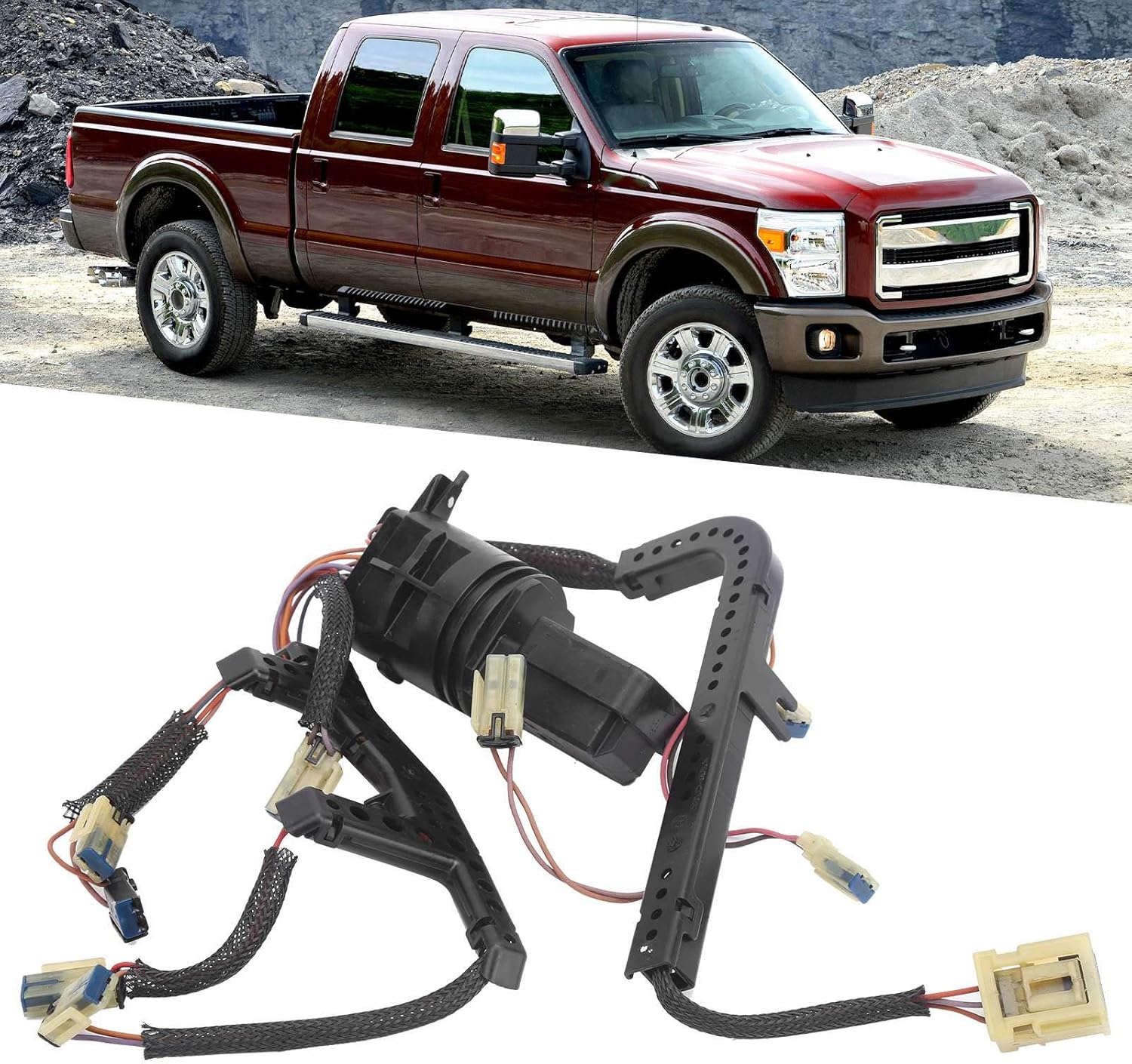
Figure 4.2: Product shown with compatible vehicle
5. Installation Guide
Installation of the internal wiring harness requires careful attention to detail. It is recommended that installation be performed by a qualified technician. Always disconnect the vehicle's battery before beginning any electrical work.
5.1. Preparation
- Ensure the vehicle's transmission is cool.
- Gather necessary tools (e.g., wrenches, screwdrivers, fluid drain pan).
- Drain transmission fluid and remove the transmission pan to access the internal components.
5.2. Removal of Old Harness
- Carefully disconnect all electrical connectors from the solenoids and sensors on the old harness.
- Unclip the harness from its mounting points within the transmission.
- Gently remove the old wiring harness from the transmission.
5.3. Installation of New Harness
- Position the new wiring harness in the transmission, ensuring all mounting clips align correctly.
- Connect each electrical connector to its corresponding solenoid or sensor. Ensure a secure and proper connection for each plug.

Figure 5.1: Detailed view of a harness connector

Figure 5.2: Close-up of electrical pins

Figure 5.3: Wiring detail
5.4. Reassembly and Testing
- Reinstall the transmission pan with a new gasket and refill with the appropriate transmission fluid to the correct level.
- Reconnect the vehicle's battery.
- Start the vehicle and check for proper transmission operation and any diagnostic trouble codes.
5.5. Official Installation Videos
For visual guidance, please refer to the following official product videos:
Video 5.1: Overview of Internal Wiring Harness Trans 3C3Z-7G276AA. This video provides a general look at the product and its components.
Video 5.2: Transmission accessories and internal wiring harness. This video showcases the harness and its relation to transmission accessories.
6. Operating Principles
The internal wiring harness is a critical component within the automatic transmission, responsible for transmitting electrical signals between the transmission control module (TCM), solenoids, and sensors. These signals control various aspects of transmission operation, including gear shifting, fluid pressure regulation, and torque converter lock-up. Proper functioning of the harness ensures smooth and efficient transmission performance.
7. Maintenance
The internal wiring harness is designed for durability and typically requires minimal maintenance once installed correctly. However, periodic inspection during routine transmission service is advisable.
- Visual Inspection: During transmission fluid changes or other related services, visually inspect the harness for any signs of wear, fraying, cracks in insulation, or corrosion on connectors.
- Fluid Contamination: Ensure the transmission fluid remains clean and free of debris, as contaminated fluid can degrade wiring insulation over time.
- Secure Connections: Verify that all connectors remain securely seated. Loose connections can lead to intermittent electrical issues.
If any damage is observed, replacement of the harness is recommended to prevent potential transmission malfunctions.
8. Troubleshooting
If you experience issues after installing the internal wiring harness, consider the following common troubleshooting steps:
- Incorrect Fitment: Verify that the harness is indeed the correct part for your specific transmission model (5R110W) and vehicle. Some aftermarket harnesses may lack the full complement of connectors or have incorrect pinouts for certain applications, leading to non-functionality or error codes. Ensure all required connections are present and properly matched.
- Loose Connections: Check all electrical connectors to ensure they are fully seated and locked into place. A loose connection can cause intermittent or complete signal loss.
- Damaged Pins/Wires: Inspect the pins within the connectors for bending or corrosion. Also, check the wiring itself for any cuts, pinches, or signs of damage that might have occurred during installation.
- Diagnostic Trouble Codes (DTCs): Use an OBD-II scanner to retrieve any stored DTCs. These codes can provide specific information about which circuit or component is experiencing an issue, helping to pinpoint the problem.
- Fluid Level and Condition: Ensure the transmission fluid level is correct and the fluid is clean. Incorrect fluid levels or contaminated fluid can affect transmission operation and potentially mask electrical issues.
- Solenoid/Sensor Malfunction: While the harness transmits signals, the solenoids and sensors themselves can fail. If the harness is confirmed to be in good condition, further diagnosis of individual solenoids or sensors may be necessary.
If troubleshooting steps do not resolve the issue, it is advisable to consult a professional automotive technician.
9. Warranty and Support
For information regarding product warranty, returns, or technical support, please refer to the seller's policies or contact Acouto directly through their official channels. Details are typically available on the product packaging or the point of purchase.