
1. Introduction
This manual provides essential information for the installation, operation, and maintenance of your Wayne Dalton Torquemaster Original double garage door spring set. This specific spring set is designed for 7-foot high garage doors with a balance weight between 120 and 129 pounds. It is a heavy-duty replacement spring intended for Wayne Dalton garage doors utilizing the Torquemaster One (TM1) or Torquemaster Original (TMI) spring system. Adherence to these instructions is crucial for safe and effective use.
2. Important Safety Information
WARNING: Garage door springs are under extreme tension and can cause severe injury or death if handled improperly. Installation and replacement of garage door springs should only be performed by experienced professionals. If you are not comfortable performing this task, contact a qualified garage door technician.
- Always wear appropriate safety gear, including safety glasses and heavy-duty gloves.
- Ensure the garage door is in the fully open position and secured before attempting any work on the springs.
- Never attempt to remove or adjust springs while the door is closed or partially open.
- Follow all manufacturer's instructions and warnings provided with the product and your garage door system.
- Keep children and pets away from the work area.
3. Product Overview
This product is a Wayne Dalton Torquemaster Original double spring set, specifically rated for garage doors that are 7 feet high and weigh between 120-129 pounds. These springs are designed for a high cycle life, ensuring durability and reliable performance for your garage door system.
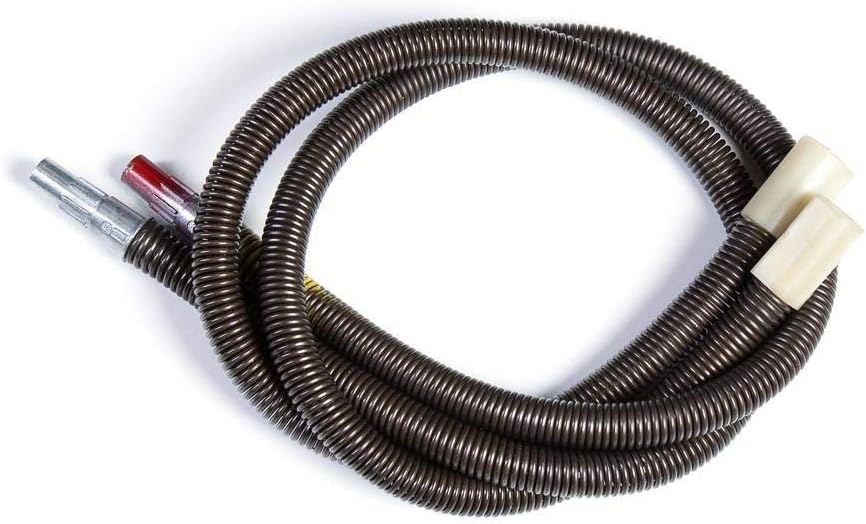
Image 1: Wayne Dalton Torquemaster Original Double Spring Set. This image shows the two coiled springs with their distinct end caps, ready for installation into the Torquemaster system.
Identifying Your Torquemaster System
Wayne Dalton offers different Torquemaster systems. It is crucial to identify if your system is a Torquemaster Original (TM1/TMI) or a Torquemaster Plus (TMII/TM3) to ensure compatibility. This spring set is exclusively for the Torquemaster Original system.

Image 2: Torquemaster System Identification. This image illustrates the visual differences between the end fittings of a Torquemaster Plus (top, with a hexagonal shaft) and a Torquemaster Original (bottom, with a splined shaft). Note that end colors and materials may vary.
4. Pre-Installation: Determining Door Specifications
Accurate measurement of your garage door's height and weight is essential for selecting the correct replacement spring. Incorrect spring selection can lead to improper door balance, premature wear, and safety hazards.
4.1 Measuring Door Height
Measure the height of your garage door from the floor to the top of the door when it is closed. For doors measuring between 6'6" and 7'5", select a 7ft height spring. For doors between 7'6" and 8'2", select an 8ft height spring. Alternatively, check the label on the metal spring tube, which often lists the door dimensions.
4.2 Weighing Your Garage Door
The balance weight of your garage door is the most critical factor for spring selection. Springs are specifically rated for a range of door weights. The weight is typically listed on a label located on the metal spring tube. If no label is present, you can weigh your door using a bathroom scale:
- Safety First: Ensure all spring tension is completely released before attempting to weigh the door. This is a critical safety step.
- Place a bathroom scale directly under the center of the garage door.
- Carefully lower the garage door onto the scale. Ensure the cables are fully slack on both sides to accurately measure the door's full weight.
- Record the weight displayed on the scale.
- Select the spring set that corresponds to the weight range your door falls within. This product is for doors weighing between 120-129lbs.
5. Installation Instructions
WARNING: Due to the high tension involved, garage door spring installation is dangerous and should ideally be performed by a trained professional. If you choose to proceed yourself, ensure you have the necessary tools, knowledge, and strictly follow all safety precautions and the detailed instructions provided by Wayne Dalton with your spring purchase.
General steps typically involve:
- Securing the garage door in the fully open position.
- Releasing any remaining tension from the old springs.
- Removing the old springs and associated hardware.
- Installing the new Wayne Dalton Torquemaster Original springs into the Torquemaster tube.
- Winding the new springs to the specified number of turns according to the manufacturer's instructions for your door's height and weight.
- Testing the door's balance and operation.
Note on Spring Design: It is possible that the replacement spring may appear slightly different (e.g., smaller diameter or shorter length) than your original spring due to design updates. This is generally acceptable as long as the spring is rated for your door's specifications. Ensure the spring can be properly seated within the Torquemaster tube. If a protective sleeve inside the tube prevents proper seating, it may need to be removed or adjusted.
6. Operation
Once correctly installed and tensioned, the Torquemaster springs will counterbalance the weight of your garage door, allowing it to open and close smoothly with minimal effort. The door should remain stationary at any point when manually lifted to approximately waist height, indicating proper balance. If the door drifts up or down, the spring tension may need adjustment by a qualified technician.
7. Maintenance
Regular maintenance helps extend the life of your garage door springs and ensures safe operation.
- Visual Inspection: Periodically inspect the springs for signs of wear, rust, or damage. Look for gaps between coils, which can indicate a broken spring.
- Lubrication: Apply a silicone-based lubricant to the springs and other moving metal parts of your garage door system (rollers, hinges) every 3-6 months. Avoid using grease or oil, as these can attract dirt.
- Balance Test: With the garage door closed, disconnect the opener. Manually lift the door to about waist height. If it stays in place, the springs are properly balanced. If it falls or rises, contact a professional for adjustment.
- Professional Check-up: Consider an annual professional inspection of your entire garage door system.
8. Troubleshooting Common Issues
If you experience problems with your garage door after spring replacement, consider the following:
- Door is Heavy or Won't Stay Open: This indicates insufficient spring tension. The springs may need to be wound further. This should only be done by a qualified technician.
- Door Flies Up Too Quickly: This indicates too much spring tension. The springs may need to be unwound slightly. Again, this is a task for a professional.
- Unusual Noises: Squeaking or grinding noises can often be resolved with proper lubrication. If the noise persists or is accompanied by grinding, it may indicate a mechanical issue requiring professional attention.
- Door Jams or Moves Unevenly: Check for obstructions in the tracks, damaged rollers, or issues with the cables. If the problem is spring-related, it likely points to incorrect tension or a damaged spring.
For any issues that cannot be easily resolved or involve spring tension adjustments, it is strongly recommended to contact a professional garage door service technician.
9. Product Specifications
| Specification | Detail |
|---|---|
| Manufacturer | Wayne Dalton Parts |
| Part Number | WD-TMS4043 |
| Item Weight | 10.01 pounds |
| Size | Between 120 - 129lbs - Double spring set |
| Material | Metal |
| ASIN | B08KGW1P9G |
| Date First Available | October 8, 2020 |
10. Warranty and Support
For specific warranty information regarding your Wayne Dalton Torquemaster spring, please refer to the documentation included with your purchase or contact Wayne Dalton directly. Support for installation, troubleshooting, or parts inquiries can typically be obtained through the manufacturer's customer service channels or by consulting a certified Wayne Dalton dealer or garage door professional.


