
1. Introduction
This manual provides essential information for the proper handling, installation, and operation of the SANY STK4161V Stereo Amplifier Integrated Circuit. The STK4161V is designed for use in audio amplification applications, offering reliable performance when integrated correctly into a circuit. Please read these instructions carefully before proceeding with installation or use.
2. Product Overview
The STK4161V is a hybrid integrated circuit (IC) specifically designed as a stereo amplifier. It integrates multiple components into a single package, simplifying circuit design and improving performance in audio systems.
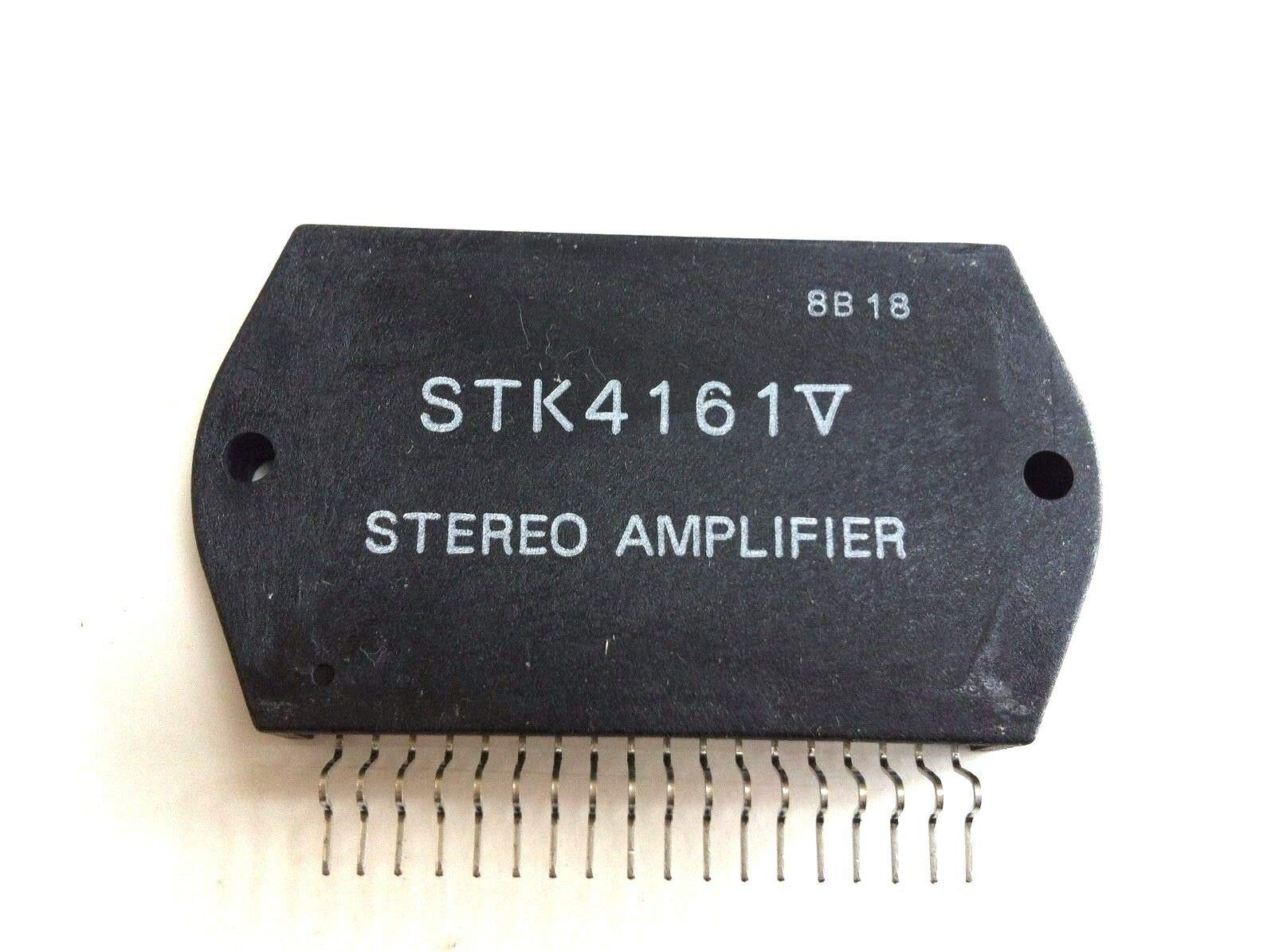
Figure 1: The SANY STK4161V Stereo Amplifier Integrated Circuit. This image displays the black rectangular package with multiple pins extending from the bottom, and the model number "STK4161V" clearly printed on its surface, along with "STEREO AMPLIFIER".
3. Specifications
Key specifications for the STK4161V Stereo Amplifier IC are provided below. For detailed electrical characteristics and application circuits, refer to the official SANYO datasheet.
- Model: STK4161V
- Type: Stereo Amplifier Integrated Circuit
- Manufacturer: SANY (Original SANYO design)
- Package Type: SIP (Single In-line Package) or similar multi-pin package
- Application: Audio Power Amplification
- Associated Components: Often used with heat sink compound for thermal management.
Note: Specific power output, voltage ratings, and distortion figures are dependent on the application circuit and operating conditions. Always consult the manufacturer's official datasheet for precise technical data.
4. Installation Guidelines
Proper installation is critical for the performance and longevity of the STK4161V IC. Follow these guidelines carefully:
- Electrostatic Discharge (ESD) Protection: Always handle the IC with appropriate ESD precautions. Use an anti-static wrist strap and work on an ESD-safe surface to prevent damage from static electricity.
- Pin Alignment: Carefully align the IC pins with the corresponding holes on the Printed Circuit Board (PCB). Avoid bending or forcing pins, as this can cause permanent damage.
- Soldering: Use a temperature-controlled soldering iron and appropriate solder. Apply heat quickly and efficiently to each pin to create a good solder joint without overheating the component. Avoid solder bridges between pins.
- Heat Sink Application: The STK4161V generates heat during operation and requires a heat sink for proper thermal management.
- Clean the mating surfaces of both the IC and the heat sink.
- Apply a thin, even layer of heat sink compound (thermal paste) to the contact surface of the IC or the heat sink. This compound improves thermal conductivity between the IC and the heat sink.
- Securely mount the IC to the heat sink using appropriate screws and insulators (if required) to ensure good thermal contact. Do not overtighten.
- Power Supply: Ensure the power supply connected to the amplifier circuit meets the voltage and current requirements specified in the STK4161V datasheet. Incorrect power can damage the IC.
- Input/Output Connections: Connect audio input and speaker output according to the circuit design. Double-check all connections before applying power.
5. Operating Principles
Once properly installed and integrated into an audio amplifier circuit, the STK4161V operates as a stereo power amplifier. Its function is to amplify low-level audio signals from a source (e.g., pre-amplifier, audio player) to a level sufficient to drive loudspeakers.
- Power On/Off: Always ensure the power supply is stable before applying power to the amplifier circuit. Avoid rapid power cycling.
- Volume Control: Adjust volume levels gradually to prevent sudden loud outputs that could damage speakers or hearing.
- Thermal Management: Monitor the temperature of the heat sink during operation, especially at high power levels. Excessive heat indicates insufficient cooling or an issue with the circuit.
- Input Signal: Provide a clean, appropriate-level audio input signal to prevent distortion or damage.
6. Maintenance
As an integrated circuit, the STK4161V itself requires no routine maintenance. However, the overall amplifier circuit it is part of may benefit from periodic checks:
- Dust Removal: Periodically clean dust from the heat sink and surrounding components to ensure efficient cooling. Use compressed air or a soft brush.
- Connection Checks: Inspect solder joints and wire connections for any signs of corrosion or loosening.
- Environmental Conditions: Ensure the amplifier operates in a clean, dry environment with adequate ventilation. Avoid extreme temperatures and humidity.
7. Troubleshooting
If you encounter issues with an amplifier circuit utilizing the STK4161V, consider the following common troubleshooting steps:
- No Sound Output:
- Verify power supply connections and voltage levels.
- Check input signal source and connections.
- Inspect speaker connections and speaker integrity.
- Examine solder joints for cold joints or bridges.
- Distorted Sound:
- Ensure input signal level is not too high (clipping).
- Check power supply for ripple or instability.
- Verify component values in the surrounding circuit.
- Overheating:
- Confirm heat sink is properly attached with heat sink compound.
- Ensure adequate ventilation around the heat sink.
- Check for short circuits in the output or power supply lines.
- Verify speaker impedance matches amplifier requirements.
- Hum or Noise:
- Check grounding connections within the circuit.
- Ensure proper shielding of input cables.
- Inspect power supply filtering components.
If these steps do not resolve the issue, consult a qualified electronics technician or refer to the detailed STK4161V datasheet for advanced diagnostics.
8. Safety Precautions
- Electrical Safety: Always disconnect power before working on the circuit. High voltages can be present and are dangerous.
- ESD Protection: As mentioned, use ESD precautions when handling the IC.
- Heat: The IC and heat sink can become very hot during operation. Avoid touching them directly.
- Soldering Safety: Work in a well-ventilated area when soldering. Avoid inhaling solder fumes.
- Component Integrity: Do not use components that appear physically damaged.
9. Warranty and Support
Specific warranty information for the SANY STK4161V Integrated Circuit is typically provided by the retailer or the original equipment manufacturer (OEM) of the device in which it is installed. As this is a component, its warranty may be covered under the larger product it is part of.
For technical support, detailed datasheets, or specific application notes, please refer to the official SANYO documentation or contact your component supplier. The manufacturer of the final product incorporating this IC is responsible for providing end-user support.