
1. Introduction
This manual provides essential information for the installation, operation, and maintenance of your ADATA XPG GAMMIX S50 Lite PCIe Gen4x4 M.2 2280 Solid State Drive. The GAMMIX S50 Lite is designed to deliver next-generation performance with PCIe Gen4x4 interface, offering sustained read/write speeds up to 3900/3200 MB per second. It is backward compatible with PCIe 3.0 and features 3D NAND Flash memory for enhanced capacity and durability, making it ideal for gamers, overclockers, and PC enthusiasts.
Please read this manual thoroughly before proceeding with installation to ensure proper setup and optimal performance of your SSD.
2. Safety Information
Observe the following safety precautions to prevent damage to the product or injury to yourself:
- Always disconnect power from your computer and discharge static electricity before handling internal components.
- Handle the SSD by its edges to avoid touching the gold connectors or components on the circuit board.
- Do not attempt to disassemble or modify the SSD. This will void the warranty.
- Keep the SSD away from moisture, extreme temperatures, and direct sunlight.
- Ensure proper ventilation within your system to maintain optimal operating temperatures for all components, including the SSD.
3. Package Contents
Verify that your package contains the following items:
- ADATA XPG GAMMIX S50 Lite PCIe Gen4x4 M.2 2280 Solid State Drive
- (Optional: M.2 mounting screw, depending on motherboard accessories)

Figure 3.1: The ADATA XPG GAMMIX S50 Lite SSD shown in its retail box, highlighting the product's branding and key features.
4. Setup and Installation
The XPG GAMMIX S50 Lite is an M.2 2280 form factor SSD, designed for easy installation into compatible motherboards. Ensure your motherboard supports PCIe Gen4x4 M.2 NVMe SSDs.
4.1. Pre-Installation Checklist
- A compatible motherboard with an available M.2 slot (Key M, 2280 size).
- A Phillips head screwdriver.
- An M.2 mounting screw and standoff (usually provided with your motherboard).
- Anti-static wrist strap (recommended).
4.2. Installation Steps
- Power Off: Shut down your computer completely and disconnect the power cable from the power supply unit.
- Open Case: Open your computer case to access the motherboard.
- Locate M.2 Slot: Identify an available M.2 slot on your motherboard. It typically looks like a small horizontal slot with a screw hole at the end.
- Install Standoff: If not already present, install the M.2 standoff into the appropriate screw hole for the 2280 size.
- Insert SSD: Gently slide the XPG GAMMIX S50 Lite SSD into the M.2 slot at a 30-degree angle. The gold contacts on the SSD should align with the slot.
- Secure SSD: Once fully inserted, push the SSD down until it is parallel with the motherboard. Secure it with the M.2 mounting screw. Do not overtighten.
- Close Case & Power On: Close your computer case, reconnect the power cable, and power on your computer.
- Initialize & Format: After booting into your operating system, you may need to initialize and format the new SSD through Disk Management (Windows) or Disk Utility (macOS) before it can be used. Refer to your operating system's documentation for detailed steps.

Figure 4.1: An M.2 SSD being installed into a compatible slot on a motherboard, demonstrating the simple insertion and securing process.
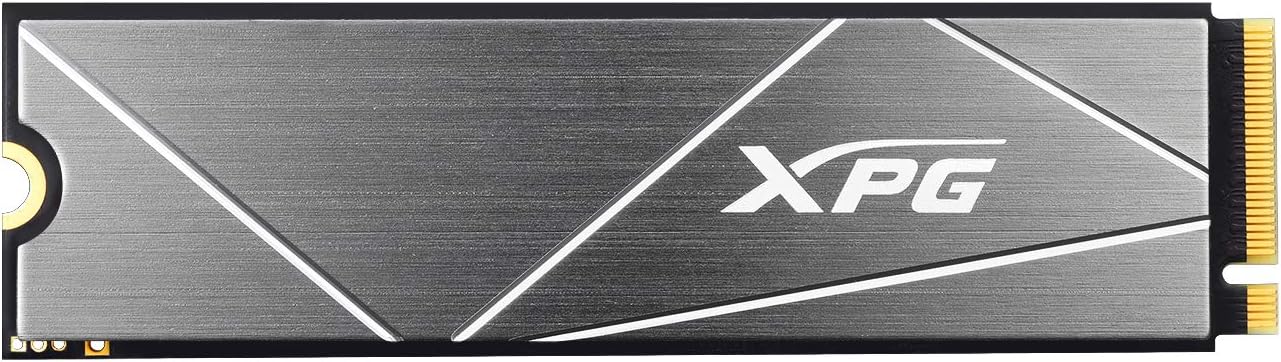
Figure 4.2: A direct overhead view of the ADATA XPG GAMMIX S50 Lite SSD, showcasing its sleek design and XPG branding.
5. Operating Instructions
Once installed and formatted, the XPG GAMMIX S50 Lite SSD operates as a high-speed storage device within your system. Its performance benefits include:
- Next-Generation Performance: Leveraging PCIe Gen4x4, the SSD provides significantly faster read/write speeds compared to SATA SSDs, enhancing system responsiveness, game loading times, and large file transfers.
- Efficient Cooling: Equipped with a robust aluminum heatsink, the GAMMIX S50 Lite effectively dissipates heat, maintaining optimal performance even under heavy loads. This can reduce temperatures by up to 20%.
- Advanced Caching: Utilizes dynamic SLC Caching and a DRAM Cache Buffer to achieve high random read/write IOPS, crucial for demanding applications like video editing, animation, and gaming.
- Enhanced Durability: Built with 3D NAND Flash and featuring a wide range of data protection and correction technologies (like LDPC and E2E Data Protection), ensuring high Total Bytes Written (TBW) for extended product lifespan.

Figure 5.1: Visual representation of the SSD's cooling efficiency, indicating a 20% temperature reduction due to its integrated heatsink.

Figure 5.2: An abstract diagram depicting the SLC Caching and DRAM Cache Buffer technologies at work within the SSD, enhancing its performance.

Figure 5.3: A graphic illustrating the 2TB storage capacity of the SSD, surrounded by various application icons, symbolizing its suitability for diverse uses like gaming and content creation.
6. Maintenance
SSDs generally require less maintenance than traditional hard drives. However, following these practices can help ensure longevity and optimal performance:
- Firmware Updates: Periodically check the official XPG/ADATA website for firmware updates for your S50 Lite SSD. Firmware updates can improve performance, stability, and compatibility.
- TRIM Command: Ensure that the TRIM command is enabled in your operating system. TRIM helps the SSD manage its data more efficiently, preventing performance degradation over time. Modern operating systems typically enable TRIM by default for SSDs.
- Avoid Defragmentation: Do not defragment your SSD. Defragmentation is unnecessary for SSDs and can reduce their lifespan by causing unnecessary write cycles.
- Maintain Free Space: While not strictly necessary, maintaining some free space on your SSD (e.g., 10-15%) can help with performance and wear leveling.
- Data Backup: Regularly back up important data. While SSDs are reliable, no storage device is immune to failure.
7. Troubleshooting
If you encounter issues with your XPG GAMMIX S50 Lite SSD, refer to the following common troubleshooting steps:
7.1. SSD Not Detected by System
- Check Connections: Ensure the SSD is fully seated in the M.2 slot and the mounting screw is secure.
- BIOS/UEFI Settings: Enter your system's BIOS/UEFI settings. Verify that the M.2 slot is enabled and configured correctly (e.g., NVMe mode). Some motherboards may disable certain SATA ports when an M.2 SSD is installed.
- Driver Installation: Ensure your operating system has the necessary NVMe drivers. Windows 10/11 typically includes native NVMe support. For older OS versions, you might need to install specific drivers.
- Initialize Disk: If detected in BIOS but not in OS, check Disk Management (Windows) or Disk Utility (macOS) to see if the drive needs to be initialized and formatted.
- Motherboard Compatibility: Confirm your motherboard's M.2 slot supports PCIe Gen4x4 NVMe SSDs.
7.2. Slow Performance
- PCIe Slot: Ensure the SSD is installed in a PCIe Gen4x4 compatible M.2 slot. Using a Gen3 slot will limit performance.
- TRIM Enabled: Verify that the TRIM command is enabled in your operating system.
- Firmware: Check for and install the latest firmware updates from the XPG/ADATA website.
- Temperature: High temperatures can cause thermal throttling. Ensure adequate airflow in your PC case. The integrated heatsink helps, but overall system cooling is important.
- Background Processes: Close unnecessary background applications that might be consuming disk I/O.
If problems persist, contact XPG/ADATA customer support for further assistance.
8. Specifications
| Feature | Specification |
|---|---|
| Brand | XPG |
| Model Number | S50 Lite (AGAMMIXS50L-2T-C for 2TB) |
| Form Factor | M.2 2280 |
| Interface | PCIe Gen4x4 |
| NAND Flash | 3D NAND (TLC) |
| Capacity | 2TB (2000GB) |
| Sequential Read (Max) | Up to 3900 MB/s |
| Sequential Write (Max) | Up to 3200 MB/s |
| Random Read IOPS (Max) | Up to 490K IOPS |
| Random Write IOPS (Max) | Up to 540K IOPS |
| Operating Temperature | 0°C to 70°C |
| Storage Temperature | -40°C to 85°C |
| Shock Resistance | 1500G/0.5ms |
| MTBF (Mean Time Between Failures) | 2,000,000 hours |
| Dimensions (L x W x H) | 80 x 22 x 4.3 mm |
| Weight | 10g |
| Compatibility | PC, Laptop, Gaming Console (with M.2 2280 PCIe Gen4x4 NVMe slot) |
Note: Performance figures may vary based on SSD capacity, host hardware, software, and system usage.
9. Warranty and Support
XPG products are manufactured to the highest standards and undergo rigorous testing. This product is covered by a limited warranty from the date of purchase. The specific warranty period and terms may vary by region and product type. Please refer to the official XPG/ADATA website for the most current and detailed warranty information.
For technical support, driver downloads, firmware updates, or warranty claims, please visit the official XPG support website:
When contacting support, please have your product model number (S50 Lite) and serial number ready.


