
1. Introduction and Overview
This manual provides essential information for the safe and efficient operation, maintenance, and troubleshooting of your Briggs & Stratton 386777-0149-G1 23 HP Vanguard Engine. Please read this manual thoroughly before operating the engine to ensure proper use and to prevent injury or damage.
Product Description
The Small Block V-Twin Vanguard engine is engineered for demanding commercial applications. It features advanced technologies and integrated components, offering energetic and quick starting performance. This engine is designed to be lighter and more compact than comparable engines.
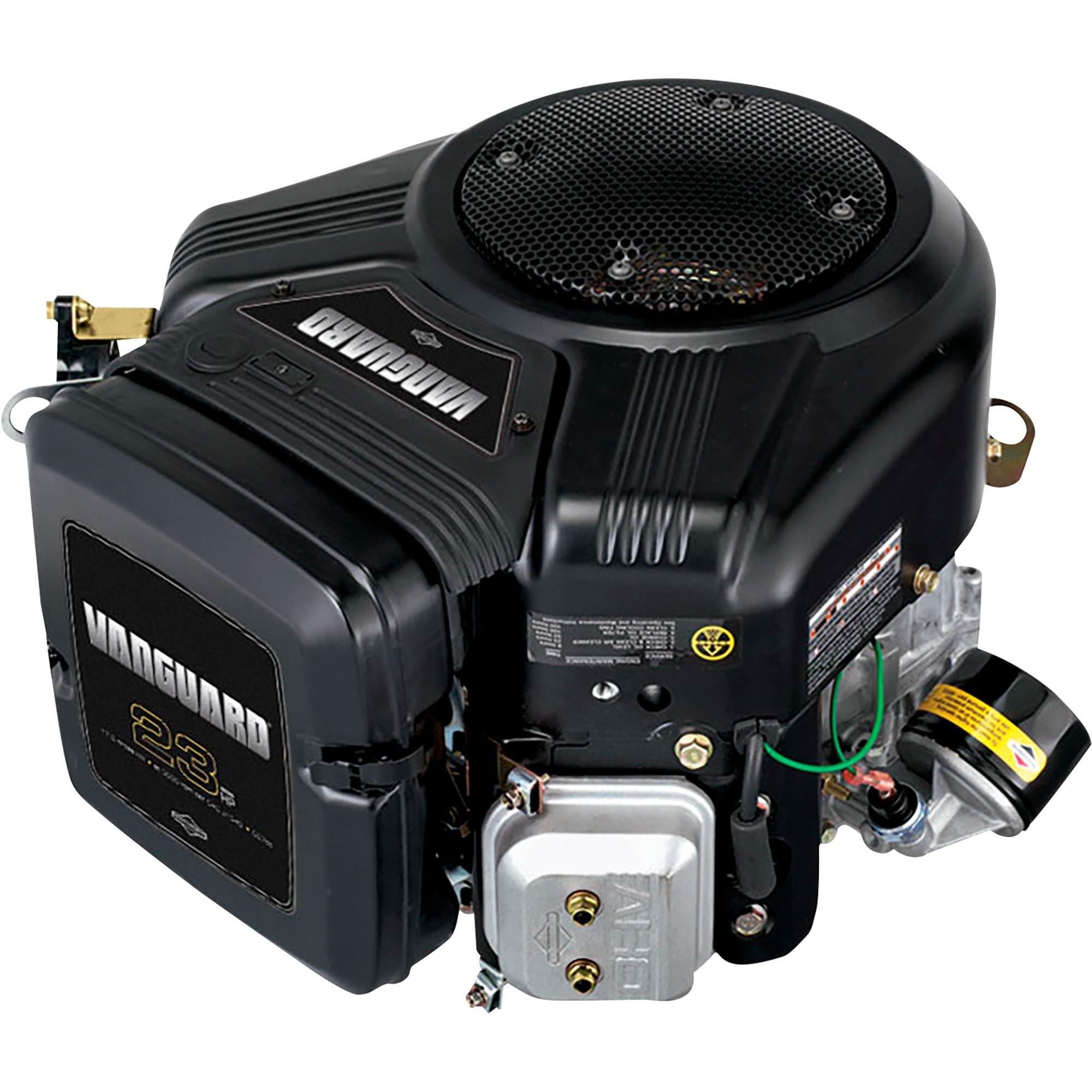
Image 1.1: The Briggs & Stratton 23 HP Vanguard Engine, showcasing its compact black design and key components.
Key Features
- Engine Displacement: 627cc
- Debris Management: Advanced system for enhanced engine protection.
- Cylinder Sleeve: Dura-Bore Cast Iron for durability.
- Lubrication System: Full Pressure Lubrication with Spin-On Oil Filter.
- Cooling: Integrated Oil Cooler.
- Oil Pump: Centrally Located Oil Pump and Pickup for consistent oil supply.
- Head Design: High Efficiency for optimal performance.
- Internal Components: Light Weight Piston & Ring Package and Dynamically Balanced Crankshaft for smooth operation.
- Air Filtration: Low Profile Dual-Clean Air Cleaner.
2. Safety Information
Your safety and the safety of others are very important. Always observe the following safety precautions when installing, operating, or maintaining the engine.
- Read the Manual: Familiarize yourself with all instructions and warnings before use.
- Fuel Safety: Handle fuel with extreme care. It is highly flammable. Store in approved containers, in a well-ventilated area, away from ignition sources.
- Exhaust Fumes: Engine exhaust contains carbon monoxide, a colorless, odorless, poisonous gas. Operate the engine only in well-ventilated areas.
- Hot Surfaces: The engine and muffler become very hot during operation and remain hot for a period after shutdown. Avoid contact to prevent burns.
- Moving Parts: Keep hands, feet, hair, and clothing away from moving parts to prevent entanglement and injury.
- Electrical Safety: Ensure all electrical connections are secure and insulated to prevent shocks or short circuits. Disconnect the spark plug wire before performing any maintenance.
- Personal Protective Equipment (PPE): Wear appropriate safety glasses, gloves, and hearing protection when operating or servicing the engine.
3. Setup and Installation
Proper installation is crucial for the engine's performance and longevity. Consult the equipment manufacturer's manual for specific installation requirements.
- Mounting: Securely mount the engine to a stable, level surface using appropriate hardware. Ensure adequate clearance for cooling and maintenance.
- Fuel System Connection: Connect the fuel line from the fuel tank to the engine's fuel inlet. Ensure all connections are tight and free of leaks.
- Electrical Connections: Connect the necessary electrical wiring, including ignition, starter, and charging system components, according to the equipment manufacturer's wiring diagram.
- Lubrication: Fill the engine crankcase with the recommended type and amount of engine oil. Refer to the 'Maintenance' section for oil specifications.
- Air Filter: Ensure the Low Profile Dual-Clean Air Cleaner is properly installed and secured.
- Pre-Start Checks: Before starting, double-check all connections, fluid levels, and ensure no tools or debris are near moving parts.
4. Operating Instructions
Follow these general steps for starting and operating your Briggs & Stratton Vanguard engine. Always refer to the equipment manufacturer's instructions for specific operating procedures.
Starting the Engine
- Fuel Supply: Ensure the fuel tank contains fresh, clean fuel and the fuel valve (if present) is open.
- Choke: If the engine is cold, apply the choke. For a warm engine, the choke may not be necessary.
- Throttle: Set the throttle to the 'FAST' or 'START' position.
- Ignition: Turn the ignition key to the 'START' position or engage the starter mechanism. Release the key once the engine starts.
- Choke Adjustment: As the engine warms up, gradually move the choke to the 'OFF' position.
Stopping the Engine
- Throttle: Reduce the engine speed to idle.
- Ignition: Turn the ignition key to the 'OFF' position.
- Fuel Valve: If equipped, close the fuel valve.
5. Maintenance
Regular maintenance is essential for optimal performance, extended engine life, and to ensure full warranty coverage. Always use genuine Briggs & Stratton parts for replacements.
Maintenance Schedule (General Guidelines)
| Service Item | Frequency |
|---|---|
| Check Engine Oil Level | Before each use |
| Clean Air Filter | Every 25 hours or annually (more often in dusty conditions) |
| Change Engine Oil | First 5 hours, then every 50 hours or annually |
| Replace Oil Filter | Every 50 hours or annually (with oil change) |
| Inspect Spark Plugs | Every 100 hours or annually |
| Inspect Fuel Filter | Annually |
Detailed Maintenance Procedures
- Engine Oil: The engine features Full Pressure Lubrication with a Spin-On Oil Filter. Check oil level frequently and change oil and filter as per the schedule. Use recommended oil type (refer to engine specifications or a Briggs & Stratton service dealer).
- Air Filter: The Low Profile Dual-Clean Air Cleaner should be regularly inspected and cleaned. In dusty environments, cleaning may be required more frequently. Replace elements if damaged.
- Spark Plugs: Inspect spark plugs for wear and proper gap. Replace if electrodes are worn or fouled.
- Fuel System: Inspect fuel lines and connections for leaks or damage. Replace the fuel filter as needed.
- Cooling System: Ensure cooling fins and air intake areas are free of debris to prevent overheating.
6. Troubleshooting
This section provides solutions to common engine problems. For issues not covered here, contact a qualified service technician.
| Problem | Possible Cause | Solution |
|---|---|---|
| Engine will not start | No fuel, stale fuel, clogged fuel filter, fouled spark plug, weak battery, incorrect choke setting. | Check fuel level and quality. Replace fuel filter. Clean/replace spark plug. Charge/replace battery. Adjust choke. |
| Engine runs rough or misfires | Fouled spark plug, dirty air filter, stale fuel, carburetor issues. | Clean/replace spark plug. Clean/replace air filter. Drain and refill with fresh fuel. Consult service manual for carburetor. |
| Engine overheats | Low oil level, clogged cooling fins, excessive load. | Check and add oil. Clean cooling fins. Reduce engine load. |
| Loss of power | Dirty air filter, worn spark plug, low oil, carburetor issues. | Clean/replace air filter. Replace spark plug. Check oil level. Consult service manual for carburetor. |
7. Specifications
Detailed technical specifications for the Briggs & Stratton 386777-0149-G1 23 HP Vanguard Engine.
| Specification | Value |
|---|---|
| Model Number | 386777-0149-G1 |
| Engine Type | V-Twin Vanguard |
| Horsepower | 23 HP |
| Displacement | 627cc |
| Product Dimensions (L x W x H) | 22.25 x 19.63 x 19.63 inches |
| Item Weight | 101.8 pounds |
| Manufacturer | Briggs and Stratton |
| ASIN | B08GQD5TKY |
8. Warranty and Support
To maximize engine life and ensure full warranty coverage, always use genuine parts from Briggs & Stratton. Using non-genuine parts may void your warranty and could lead to engine damage.
For specific warranty terms, conditions, and duration, please refer to the warranty statement included with your engine or contact Briggs & Stratton customer support directly. Keep your purchase receipt as proof of ownership.
For technical assistance, parts, or service, please visit the official Briggs & Stratton website or contact an authorized Briggs & Stratton service dealer.