
ZDTOPA B20A3
ZDTOPA B20A3 Engine Cylinder Head Gasket Instruction Manual
Model: B20A3 | Part Numbers: 12251-PK1-662, 10085300
1. Introduction
This manual provides essential information regarding the ZDTOPA B20A3 Engine Cylinder Head Gasket. It is designed to assist users in understanding the product's specifications, compatibility, and general considerations for installation and maintenance. Proper installation and adherence to manufacturer guidelines are crucial for optimal engine performance and longevity.
2. Product Overview
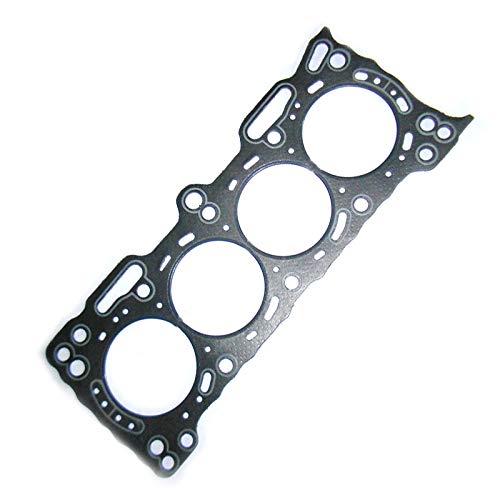
A detailed view of the ZDTOPA B20A3 engine cylinder head gasket, showing its precise cutouts for cylinders and various fluid passages, designed for a secure seal.
The ZDTOPA B20A3 Engine Cylinder Head Gasket is engineered to provide a reliable seal between the engine block and cylinder head. This component is critical for maintaining proper compression, preventing coolant and oil leaks, and ensuring efficient engine operation. It is constructed from graphite material, known for its resistance to corrosion, heat, and oil.
Key Features:
- Engine Model: B20A3
- Part Numbers: 12251-PK1-662, 10085300
- Material: Graphite
- Designed for resistance to corrosion, heat, and oil.
- Aids in maintaining a reasonable balance of strength and weight within the engine assembly.
3. Compatibility
This cylinder head gasket is compatible with specific Honda Prelude 16V engine models. Verify your vehicle's engine code and specifications against the list below to ensure proper fitment.
| Model | Engine Code | Displacement | Year Range |
|---|---|---|---|
| HONDA PRELUDE III (BA) 2.0 EX (BA4) | B20A3 | 1958cc | 1987/04 - 1992/01 |
| HONDA PRELUDE III (BA) 2.0 i EX 16V (BA4) CAT | B20A5 | 1958cc | 1987/04 - 1992/01 |
| HONDA PRELUDE III (BA) 2.0 i EX 16V (BA4) | B20A9 | 1958cc | 1990/04 - 1992/01 |
| HONDA PRELUDE III (BA) 2.0 (BA4) | B20A4 | 1958cc | 1987/08 - 1992/01 |
| HONDA PRELUDE III (BA) 2.0 i EX 16V | B20A7 | 1958cc | 1987/10 - 1990/12 |
4. Specifications
- Part Numbers: 12251-PK1-662, 10085300
- Engine Model: B20A3
- Cylinder Diameter: Ø82MM
- Material: Graphite
- Item Weight: 2.2 Pounds
- Manufacturer: ZDTOPA
5. Installation Guidelines
Installation of a cylinder head gasket is a complex procedure that requires specialized tools and automotive knowledge. It is highly recommended that installation be performed by a qualified professional mechanic.
General Steps (Professional Installation Recommended):
- Preparation: Ensure the engine is cool and disconnected from the battery. Drain coolant and oil.
- Disassembly: Carefully remove all components obstructing access to the cylinder head, including intake manifold, exhaust manifold, timing belt/chain, and valve cover.
- Cylinder Head Removal: Loosen cylinder head bolts in the specified sequence and remove the cylinder head.
- Surface Cleaning: Thoroughly clean both the engine block and cylinder head mating surfaces. Ensure they are free of old gasket material, carbon deposits, and any imperfections. Surface flatness should be checked.
- Gasket Placement: Position the new ZDTOPA B20A3 head gasket correctly on the engine block, ensuring all bolt holes and passages align.
- Cylinder Head Reinstallation: Carefully place the cylinder head back onto the engine block.
- Torque Specifications: Install new cylinder head bolts (if recommended by the vehicle manufacturer) and tighten them to the vehicle manufacturer's specified torque values and sequence. This is critical for proper sealing.
- Reassembly: Reinstall all removed components, ensuring all connections are secure and hoses/wires are properly routed.
- Fluid Refill: Refill the engine with appropriate coolant and oil.
- Testing: Start the engine and check for leaks, proper temperature, and overall performance.
Failure to follow proper installation procedures and torque specifications can lead to premature gasket failure and severe engine damage.
6. Maintenance Considerations
While the head gasket itself does not require routine maintenance, its longevity is directly tied to overall engine health. Regular engine maintenance practices can help prevent conditions that lead to gasket failure:
- Coolant System: Ensure the cooling system is properly maintained, including regular coolant flushes and checks for leaks. Overheating is a primary cause of head gasket failure.
- Oil Changes: Adhere to recommended oil change intervals using the correct type of engine oil.
- Engine Temperature: Monitor engine temperature and address any signs of overheating promptly.
- Fluid Levels: Regularly check coolant and oil levels.
7. Troubleshooting Common Issues
A failing head gasket can manifest several symptoms. If you observe any of the following, it is advisable to have your vehicle inspected by a professional:
- White Smoke from Exhaust: Indicates coolant burning in the combustion chamber.
- Sweet Smell from Exhaust: Another sign of burning coolant.
- Engine Overheating: Can be caused by coolant loss or combustion gases entering the cooling system.
- Coolant Loss without Visible Leaks: Suggests internal leakage.
- Oil in Coolant / Coolant in Oil: Often referred to as 'milkshake' appearance in oil or coolant reservoir.
- Reduced Engine Performance: Loss of compression can lead to misfires or reduced power.
Do not ignore symptoms of a failing head gasket, as continued operation can lead to severe and costly engine damage.
8. Important Tips
Consider the following recommendations for engine overhaul packages:
- For a new car, an overhaul package with robust materials is recommended after approximately three years. This approach can contribute to extended engine life.
- For later stages of an engine's life or subsequent overhauls, a graphite material overhaul package or other suitable material packages are recommended, as they can be more favorable for maintaining an effective engine seal.
9. Warranty and Support
For information regarding product warranty, returns, or technical support, please contact the manufacturer, ZDTOPA, or your point of purchase. Keep your purchase receipt and product details readily available when contacting support.
Ask a question about this manual
Ask about setup, troubleshooting, compatibility, parts, safety, or missing instructions. Manuals+ will review the question and use this page’s manual context to help answer it.