1. Introduction
This manual provides essential information for the safe and effective use of your VEVOR YDS-20 20L Liquid Nitrogen Cryogenic Container. This container is designed for the static storage of liquid nitrogen (LN2) and is suitable for various applications including scientific research, animal husbandry, and medical fields. Please read this manual thoroughly before operating the device to ensure proper handling, maintenance, and safety.

Image 1.1: VEVOR YDS-20 20L Liquid Nitrogen Cryogenic Container. This image shows the complete liquid nitrogen tank, highlighting its design for long-term preservation and storage of liquid nitrogen.
2. Safety Information
Liquid nitrogen is an extremely cold substance (-196°C / -320°F) and must be handled with extreme caution. Failure to follow safety guidelines can result in severe injury or property damage.
2.1 General Precautions
- Personal Protective Equipment (PPE): Always wear appropriate PPE, including cryogenic gloves, safety glasses or a face shield, and long-sleeved clothing, when handling liquid nitrogen or the container.
- Ventilation: Use the container only in well-ventilated areas. Liquid nitrogen rapidly vaporizes into gaseous nitrogen, which can displace oxygen and lead to asphyxiation in enclosed spaces.
- Frostbite: Direct contact with liquid nitrogen or uninsulated parts of the container can cause severe frostbite. Avoid skin and eye contact.
- Pressure Buildup: Never seal the container completely. The neck plug is designed to allow gas to escape. A completely sealed container can build up pressure and rupture.
- Material Compatibility: Ensure all tools and materials used in conjunction with the container are suitable for cryogenic temperatures.
- Spills: In case of a spill, evacuate the area immediately if ventilation is poor. Allow the liquid nitrogen to evaporate naturally.
2.2 Handling the Container
- Handle the container carefully to prevent damage to the vacuum insulation. Avoid dropping or striking the container.
- When moving the container, use the reinforced handles. For longer distances, use a suitable trolley.
- Do not overfill the container. Leave adequate space for expansion and to prevent spillage.
3. Product Overview and Components
The VEVOR YDS-20 Liquid Nitrogen Cryogenic Container is constructed from high-strength aviation-grade aluminum, ensuring durability and resistance to low temperatures. Its design incorporates multiple insulation layers and a high vacuum environment to minimize liquid nitrogen evaporation.
3.1 Structural Components

Image 3.1: Internal structure of the VEVOR YDS-20 container. This diagram illustrates the key components including the handle, lock cover, vacuum nozzle, plug, multiple insulation layers, shell, liner, and canisters.
- Shell: The outer casing of the container, made from aviation aluminum.
- Liner: The inner vessel that holds the liquid nitrogen.
- Vacuum Insulation: A high vacuum space between the shell and liner, combined with multiple insulation layers, significantly reduces heat transfer.
- Vacuum Nozzle: Used during manufacturing to create and maintain the vacuum.
- Neck Plug (PU Neck Plug): A specialized plug made of PU material that fits into the neck of the container. It allows for controlled venting of nitrogen gas while minimizing evaporation.
- Lock Cover: Secures the neck plug and helps reduce evaporation.
- Handles: Reinforced handles for safe transportation.
3.2 Material and Insulation

Image 3.2: Cross-section illustrating the thickened aviation aluminum construction. This image details the layers including the aviation paint surface, electrolytic grinding, aviation aluminum, vacuum heat insulation, and ultra-microwave coating, all contributing to the container's strength and insulation.
The container features a robust construction:
- High-Strength Aviation Aluminum: Provides durability and resistance to extreme cold.
- Vacuum Heat Insulation: A critical component for long-term storage, ensuring minimal heat ingress.
- Gas Adsorbent: Located within the vacuum space to maintain a high vacuum environment by adsorbing residual gases.
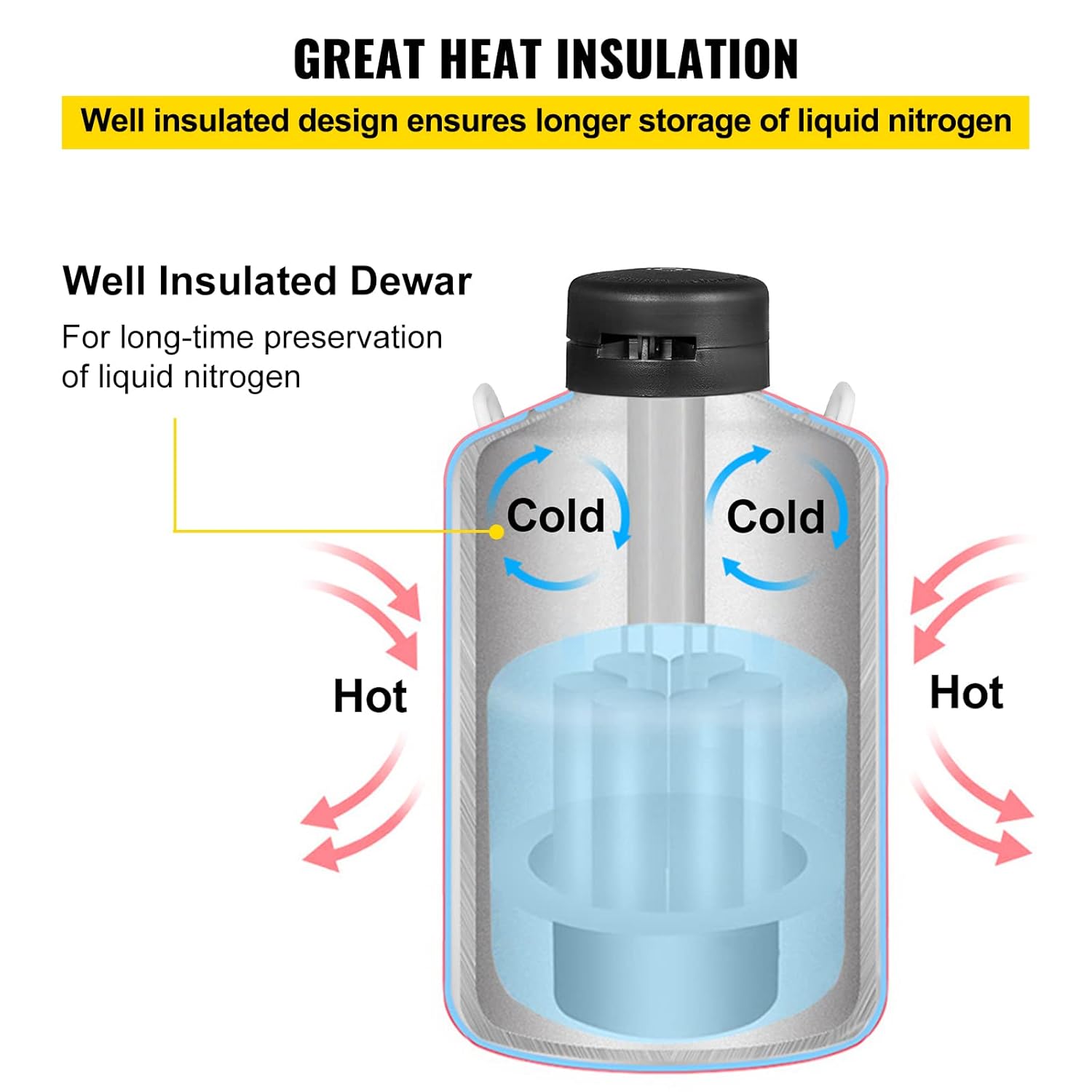
Image 3.3: Diagram illustrating the heat insulation principle. This image shows how the well-insulated Dewar design prevents external heat from reaching the cold liquid nitrogen, ensuring long-time preservation.

Image 3.4: Components ensuring a decent vacuum condition. This image highlights the silicone vacuum nozzle, PU neck plug, and lock cover, all designed to maintain the vacuum and slow down the evaporation rate of liquid nitrogen.
3.3 Included Accessories

Image 3.5: Canisters and protective sleeve. This image displays the six canisters provided for storing samples within the liquid nitrogen, along with a protective sleeve designed to prevent scratches and damage to the container.
- Canisters (6 included): These are designed to hold samples and are suspended within the liquid nitrogen. They come in two types: 2 without holes on the bottom and 4 with holes on the bottom.
- Protective Sleeve: A sleeve to protect the container from scratches and minor impacts during transport and handling.
4. Specifications
The following table details the technical specifications of the VEVOR YDS-20 Liquid Nitrogen Cryogenic Container:
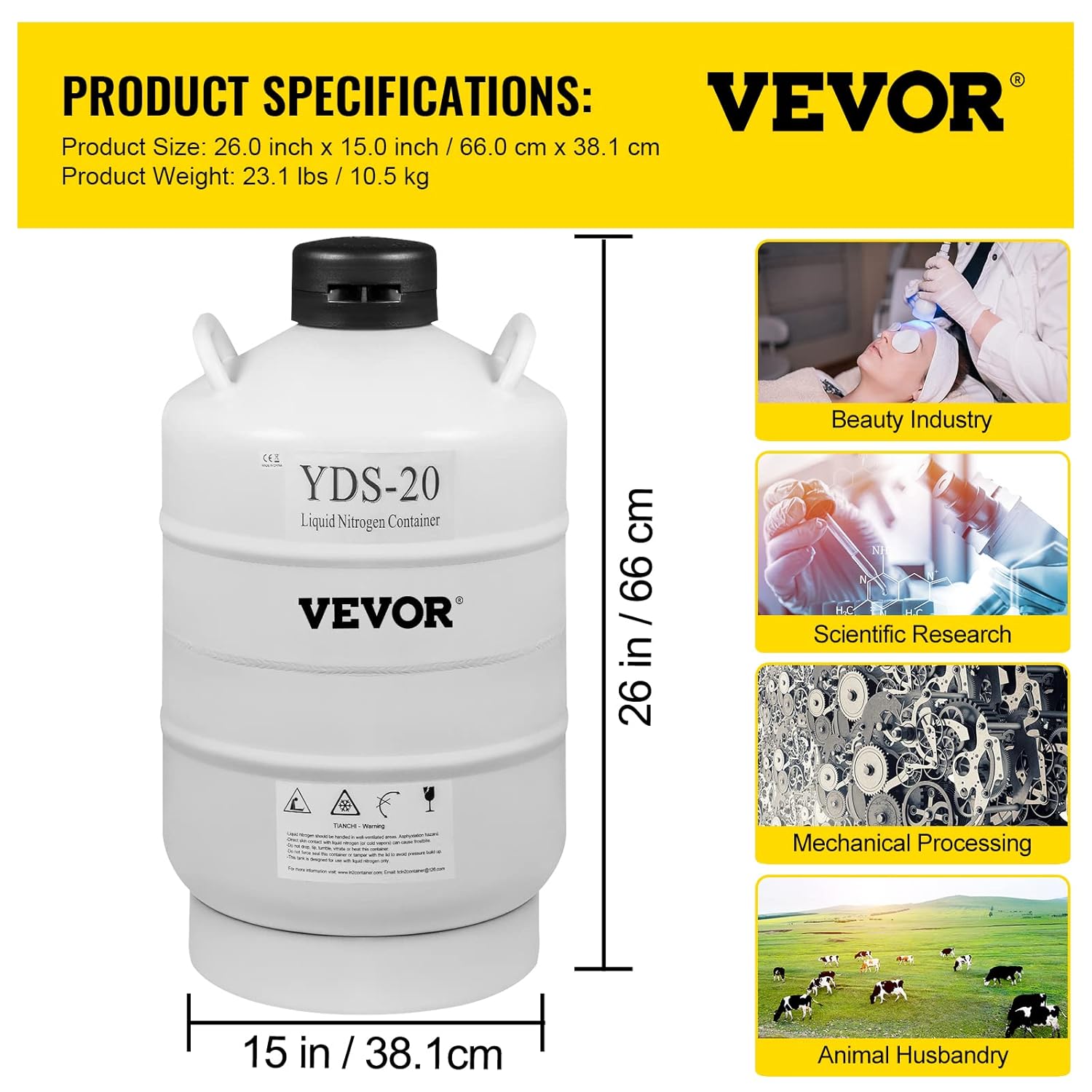
Image 4.1: Product specifications and typical applications. This image provides a visual summary of the container's dimensions, weight, and common uses in beauty, scientific research, mechanical processing, and animal husbandry.
| Feature | Specification |
|---|---|
| Brand | VEVOR |
| Model | YDS-20 |
| Material | Aviation Aluminum Alloy |
| Capacity | 20 Liters (L) |
| Mouth Diameter | 50 mm |
| Product Dimensions (L x W x H) | 66 cm x 38.1 cm (26 in x 15 in) |
| Empty Weight | 10.5 kg (23.1 lbs) |
| Static Holding Time | Up to 175 Days (Note: Frequent use and opening the lid will reduce storage time due to increased liquid nitrogen volatilization.) |
| Number of Canisters | 6 |
| Canister Depth | 111 mm |
| Canister Diameter | 35 mm |
5. Setup
Before initial use, ensure the container is clean and dry. Follow these steps for safe preparation and filling:
5.1 Initial Inspection
- Inspect the container for any visible damage, dents, or scratches that might compromise the vacuum insulation.
- Ensure the neck plug and lock cover are present and in good condition.
- Verify that the included canisters are clean and undamaged.
5.2 Pre-cooling (Optional but Recommended)
For optimal performance and to minimize initial liquid nitrogen boil-off, pre-cool the container by adding a small amount of liquid nitrogen and allowing it to sit for a short period (e.g., 30 minutes) before filling completely. This reduces thermal shock to the inner vessel.
5.3 Filling the Container
- Place the container on a stable, level surface in a well-ventilated area.
- Remove the lock cover and the neck plug.
- Using a suitable transfer hose or funnel, slowly pour liquid nitrogen into the container. Avoid splashing.
- Do not fill the container to the very top. Leave a small headspace to prevent spillage and allow for gas expansion.
- Once filled, carefully reinsert the neck plug and secure the lock cover. Ensure the neck plug is not sealed airtight.
6. Operating Instructions
This section outlines the procedures for using your liquid nitrogen container for storage and sample retrieval.
6.1 Storing Samples
- Prepare your samples in appropriate cryogenic vials or containers.
- Place the prepared samples into the provided canisters. Ensure the canisters are properly labeled for identification.
- Carefully lower the loaded canisters into the liquid nitrogen within the container. Use a retrieval tool if necessary.
- Once all samples are placed, reinsert the neck plug and secure the lock cover to minimize evaporation.
6.2 Retrieving Samples
- Ensure you are wearing full PPE, including cryogenic gloves and eye protection.
- Carefully remove the lock cover and neck plug.
- Using a retrieval tool, slowly lift the desired canister from the liquid nitrogen. Avoid rapid movements that could cause splashing.
- Once the sample is retrieved, immediately lower the canister back into the liquid nitrogen and replace the neck plug and lock cover to minimize LN2 loss.
- Work quickly when the container is open to reduce evaporation.
6.3 Monitoring Liquid Nitrogen Level
Regularly monitor the liquid nitrogen level using a dipstick (not included, but commonly available). This ensures that samples remain submerged and prevents damage due to warming. The static holding time is an estimate; actual holding time will vary based on usage frequency and environmental conditions.
7. Maintenance
Proper maintenance extends the life of your cryogenic container and ensures safe operation.
7.1 Cleaning
- When the container is empty and has warmed to room temperature, clean the interior with a mild detergent and water. Rinse thoroughly and allow to air dry completely before refilling.
- Clean the exterior with a damp cloth. Avoid abrasive cleaners or solvents that could damage the finish.
- Ensure the neck plug and lock cover are free from debris.
7.2 Inspection
- Periodically inspect the container for any signs of damage, such as dents, cracks, or unusual frost patterns on the outer shell, which could indicate a loss of vacuum.
- Check the neck plug for signs of wear or damage. Replace if necessary to maintain insulation integrity.
7.3 Long-Term Storage
If the container will not be used for an extended period, ensure it is empty, clean, and dry. Store it with the neck plug slightly ajar to prevent moisture buildup and allow for air circulation, but protected from dust and debris.
8. Troubleshooting
This section addresses common issues you might encounter with your liquid nitrogen container.
| Problem | Possible Cause | Solution |
|---|---|---|
| Excessive LN2 Evaporation Rate | Damaged vacuum insulation; Frequent opening of the lid; Damaged neck plug; Container stored in a warm environment. | Inspect for external damage (dents, frost). Minimize lid opening time. Check and replace neck plug if damaged. Store in a cool, well-ventilated area. If vacuum is lost, the container may need professional repair or replacement. |
| Frost or Ice on Outer Shell | Loss of vacuum insulation; High humidity environment. | A small amount of condensation is normal in humid conditions. However, significant or persistent frost indicates a loss of vacuum. The container should be taken out of service and inspected by a qualified technician. |
| Difficulty Removing Neck Plug | Ice buildup around the neck; Plug is stuck due to cold. | Allow the container to warm slightly (if safe to do so) or gently tap around the neck. Do not use excessive force. Ensure the plug is not wet before insertion. |
| Samples Not Staying Cold | Insufficient LN2 level; Canisters not fully submerged; Loss of container vacuum. | Check LN2 level and refill if necessary. Ensure canisters are fully submerged. If the container has lost its vacuum, refer to the 'Frost on Outer Shell' solution. |
9. Warranty and Support
For information regarding warranty coverage, technical support, or spare parts, please contact VEVOR customer service. Refer to your purchase documentation for specific warranty terms and contact details.
Manufacturer: VEVOR
Model Reference: YDS-20 (20220427ijn)


