
Introduction
This manual provides essential information for the safe and efficient operation, maintenance, and setup of your Scheppach HS110 Table Saw. Please read these instructions carefully before using the machine to ensure your safety and prolong the life of the product. Keep this manual in a safe place for future reference.
General Safety Instructions
Always observe basic safety precautions to reduce the risk of fire, electric shock, and personal injury. Power tools can be dangerous if not used correctly. Familiarize yourself with the controls and proper use of the machine.
Work Area Safety
- Keep the work area clean and well-lit. Cluttered or dark areas invite accidents.
- Do not operate power tools in explosive atmospheres, such as in the presence of flammable liquids, gases, or dust.
- Keep children and bystanders away while operating a power tool. Distractions can cause you to lose control.
Electrical Safety
- Power tool plugs must match the outlet. Never modify the plug in any way.
- Avoid body contact with earthed or grounded surfaces such as pipes, radiators, ranges, and refrigerators.
- Do not expose power tools to rain or wet conditions. Water entering a power tool will increase the risk of electric shock.
- Do not abuse the cord. Never use the cord for carrying, pulling, or unplugging the power tool. Keep cord away from heat, oil, sharp edges, or moving parts.
Personal Safety
- Always wear eye protection. Use a dust mask in dusty conditions.
- Dress properly. Do not wear loose clothing or jewelry. Keep your hair and clothing away from moving parts.
- Stay alert, watch what you are doing, and use common sense when operating a power tool.
- Use safety equipment such as push sticks and blade guards.
Table Saw Specific Safety
- Always use the blade guard and splitter when operating the saw.
- Never reach over the saw blade.
- Ensure the workpiece is firmly supported and guided.
- Do not cut freehand. Always use the rip fence or miter gauge.
- Before starting, ensure the blade is clear of the workpiece.
- Never remove cut-off pieces or other parts of the workpiece from the cutting area while the saw is running.
Product Overview
The Scheppach HS110 is a powerful table saw designed for cutting wood. It features a 2000W motor, a 254mm diameter blade, and adjustable cutting capabilities.

Figure 1: Overall view of the Scheppach HS110 Table Saw.
Key Components and Features
- 2000W / 230V Motor: Provides ample power for various cutting tasks.
- Table Extensions: Extendable work surface to the left and right for supporting larger workpieces.
- Integrated Base: Sturdy base for stable operation.
- 254mm HW Blade: High-quality blade for precise cuts.
- Blade Guard: Essential safety feature to protect against accidental contact with the blade.
- Cross-cut Gauge and Rip Fence: Included for accurate longitudinal and transverse cuts.
- Adjustable Cutting Height: Maximum cutting height of 87mm.
Setup
Before initial use, the table saw requires assembly and proper positioning.
Assembly of the Base and Table Extensions
Carefully unpack all components. Assemble the base according to the diagrams provided in the separate assembly guide. Attach the table extensions to the main table, ensuring they are level and securely fastened. The design allows for processing large workpieces due to these extensions.

Figure 2: The table saw with its extensions, allowing for processing of larger workpieces.

Figure 3: The stable underframe and non-slip rubber feet ensure high stability during operation.
Positioning the Saw
Place the table saw on a firm, level surface. The ergonomic table height of 870 mm promotes a comfortable working posture. Ensure adequate space around the saw for safe operation and material handling.

Figure 4: The 870 mm table height supports an ergonomic working posture.
Operating Instructions
Understand the controls and adjustments before making any cuts.
Powering On/Off
Connect the saw to a 230V power supply. Use the designated ON/OFF switch to start and stop the machine. Always ensure the blade has come to a complete stop before leaving the machine or performing any adjustments.
Adjusting Blade Height and Angle
The saw blade can be adjusted for both height and angle. The maximum cutting height is 87 mm at 90 degrees and 55 mm at 45 degrees. The blade can swivel from 0 to 45 degrees for bevel cuts.

Figure 5: Adjusting the saw blade angle for bevel cuts (0-45 degrees).
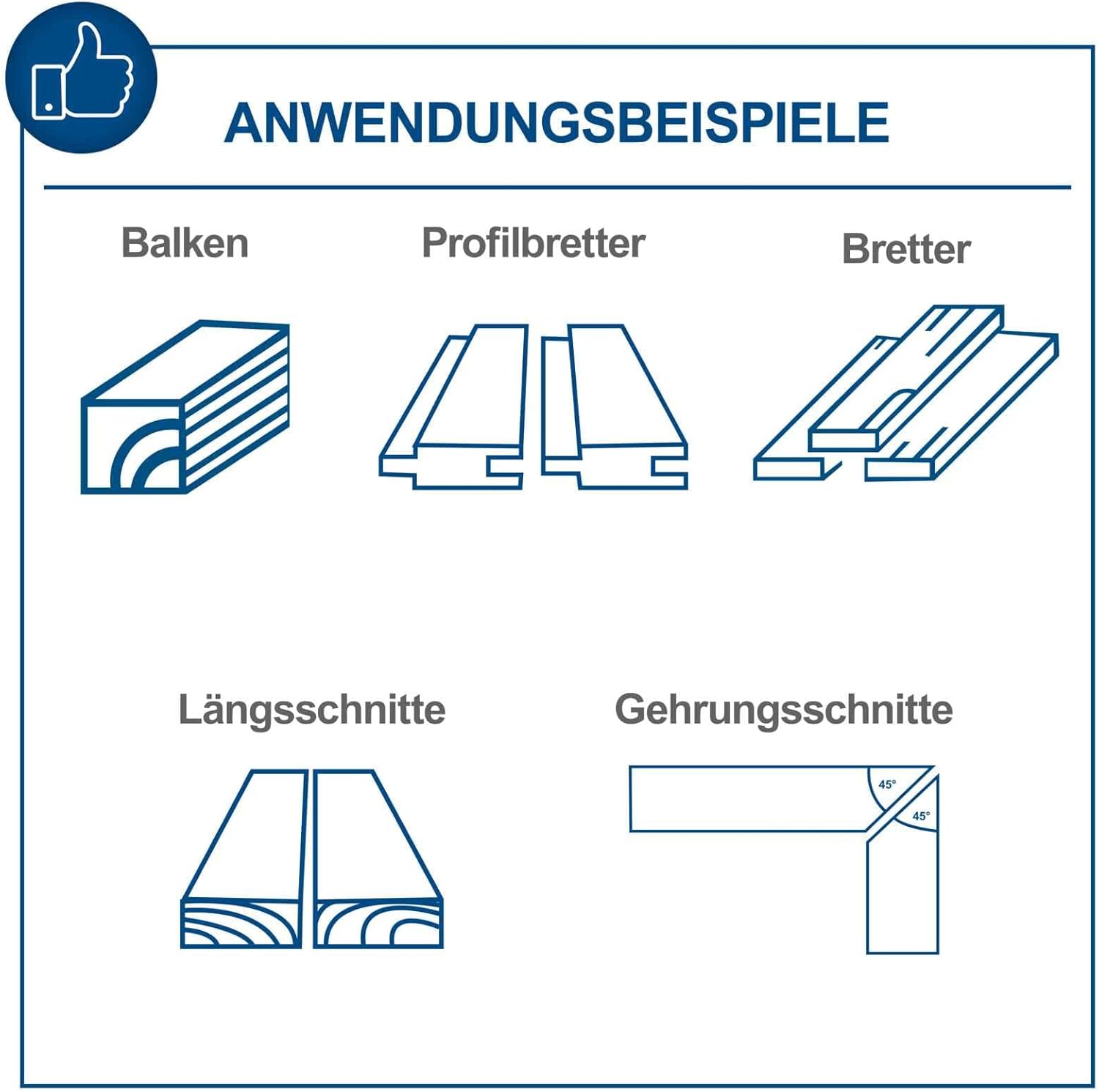
Figure 6: Diagram illustrating maximum cutting heights (87mm at 90°, 55mm at 45°) and table extensions.

Figure 7: Diagram showing saw blade dimensions (254 mm x 30 mm x 2.8 mm) and swivel range (0-45 degrees).
Cutting Techniques
The HS110 is suitable for various wood cutting applications, including beams, profile boards, and planks. It can perform both rip cuts (longitudinal cuts) and miter cuts (angled cuts).
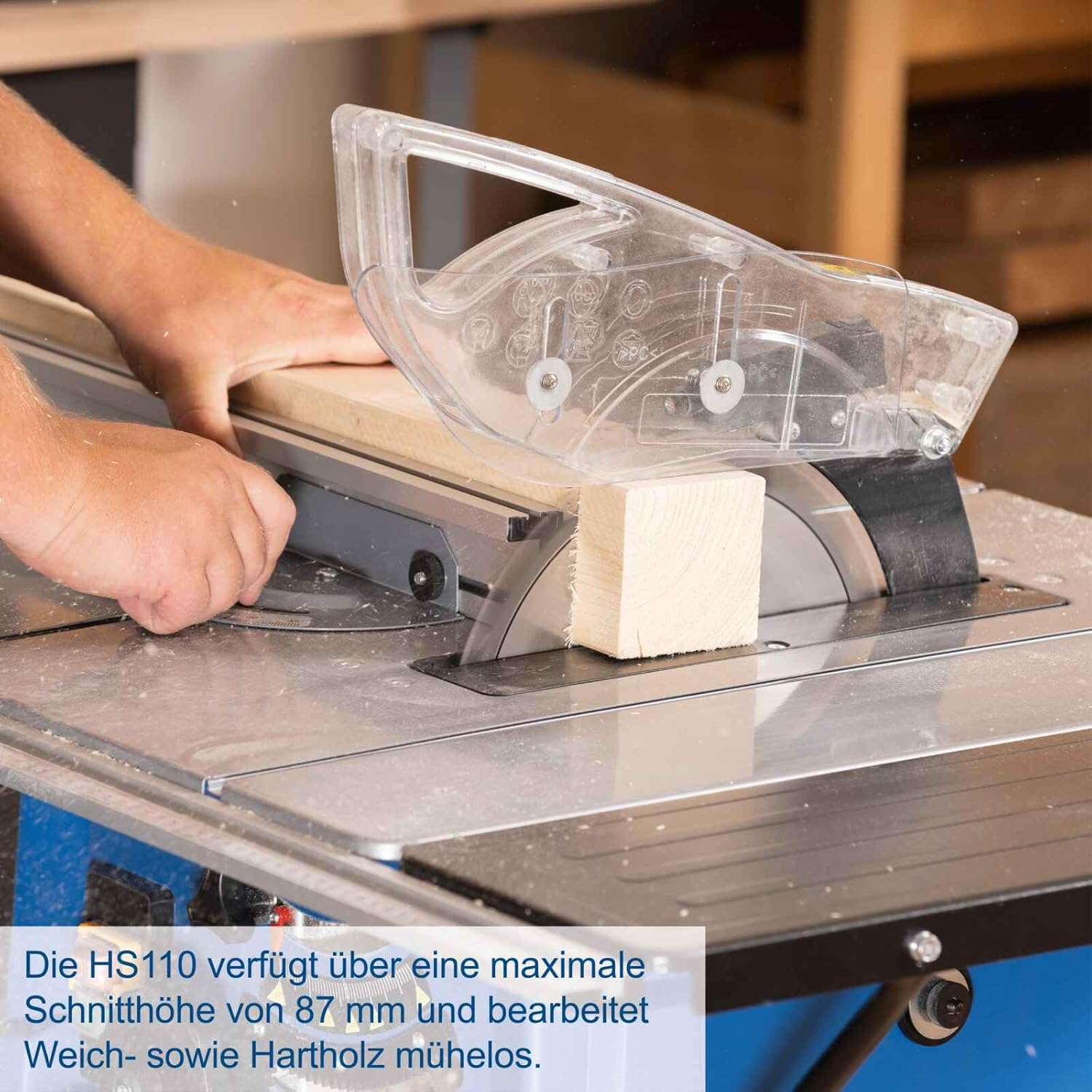
Figure 8: The HS110 effortlessly processes soft and hard wood with a maximum cutting height of 87 mm.
Figure 9: Examples of applications including cutting beams, profile boards, planks, rip cuts, and miter cuts.
Maintenance
Regular maintenance ensures optimal performance and extends the lifespan of your table saw.
Cleaning
- Always disconnect the power supply before cleaning.
- Remove sawdust and debris from the motor vents, blade guard, and table surface after each use.
- Use a brush or compressed air for cleaning. Do not use water or harsh chemicals.
Blade Replacement
When replacing the saw blade, ensure the machine is unplugged. Follow the instructions in the detailed manual for safe blade removal and installation. Always use a 254mm diameter blade with a 30mm bore and appropriate tooth count (e.g., 80 teeth for fine cuts).
Motor Care
The motor is designed for durability. Ensure proper ventilation and avoid overloading the saw, which can lead to overheating. If the motor shows signs of reduced performance or unusual noise, consult a qualified technician.
Troubleshooting
This section addresses common issues you might encounter with your table saw.
Saw Does Not Start
- Check if the power cord is securely plugged into a functioning outlet.
- Verify that the ON/OFF switch is in the 'ON' position.
- Check for tripped circuit breakers or blown fuses.
Poor Cut Quality
- Ensure the saw blade is sharp and clean. A dull or dirty blade can cause rough cuts.
- Check if the blade is installed correctly and securely tightened.
- Verify that the rip fence or miter gauge is properly aligned and locked.
- Ensure the workpiece is adequately supported and fed at a consistent rate.
Excessive Vibration or Noise
- Check for loose components, especially the blade and its mounting hardware.
- Ensure the saw is placed on a stable, level surface.
- Inspect the blade for damage or warping. Replace if necessary.
For issues not covered here, or if troubleshooting steps do not resolve the problem, contact qualified service personnel.
Specifications
| Model | HS110 |
| Brand | Scheppach |
| Power Input | 2000 W |
| Voltage | 230 V |
| No-Load Speed | 4500 RPM |
| Blade Diameter | 254 mm |
| Blade Bore | 30 mm |
| Max. Cutting Height at 90° | 87 mm |
| Max. Cutting Height at 45° | 55 mm |
| Blade Tilt Range | 0 - 45° |
| Recommended Material | Wood |
| Blade Material | High-speed steel |
| Dimensions (L x W x H) | 94L x 64W x 104H cm |
| Weight | 2.18 kg |
| Special Features | Depth adjustment, Table extensions |
| Certifications | CE, EN ISO 13237 |
Warranty and Support
Specific warranty details and support contact information are typically provided with your purchase documentation. Please refer to the warranty card or contact your retailer for information regarding warranty coverage and technical support for your Scheppach HS110 Table Saw.


