Introduction
This manual provides essential information for the safe and effective use of your Maytech Brushless Outrunner 3458-900KV Airplane Motor. Please read these instructions carefully before installation and operation to ensure optimal performance and longevity of your motor.
Product Overview and Features
The Maytech 3458-900KV is a high-performance brushless outrunner motor designed for airplane applications. It features robust construction and quality components for reliable operation.
- Utilizes high-temperature and oxygen-free copper wire for windings.
- Equipped with high-temperature micro ball-bearings, confirmed for static balance.
- Features NSK Japanese bearings for smooth operation.
- Incorporates 45h sintered NdFeB magnets.
- Stator is stacked with high-quality silicon steel.
- Constructed with a durable stainless steel shaft.
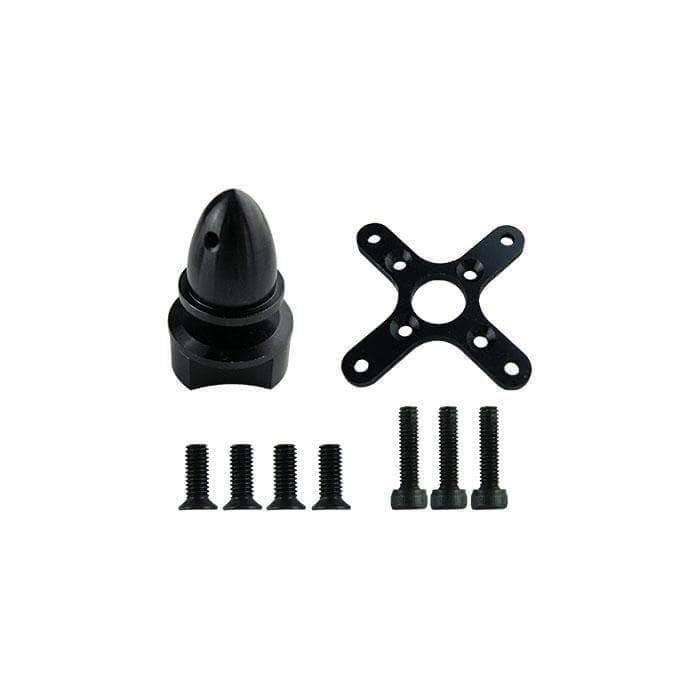
Figure 1: Maytech 3458-900KV Brushless Outrunner Motor, including the motor unit, propeller adapter, X-mount plate, and mounting screws.
Specifications
| Parameter | Value |
|---|---|
| KV Rating | 900 |
| Shaft Diameter | 5.0mm |
| Maximum Current | 42.5A |
| Input Voltage (Li-Po) | 3-5S |
| Net Weight | 155g |
| Stator Size | Ø28.0 x 26.0mm |
| Motor Size | Ø35 x 48.4mm |
| Thrust | 1780g |
| Wattage | 770W |
| Bearings | NSK Japanese bearings |
| Magnets | 45h Sintered NdFeB |
| Stator Material | Silicon Steel |
| Shaft Material | Stainless Steel |
Setup and Installation
Proper installation is crucial for the performance and safety of your motor. Always ensure your aircraft frame is compatible with the motor's dimensions and mounting pattern.
- Mounting the Motor:
Attach the included X-mount plate to your aircraft's motor mount using appropriate screws. Then, secure the motor to the X-mount plate using the provided screws. Ensure all screws are tightened securely but do not overtighten.
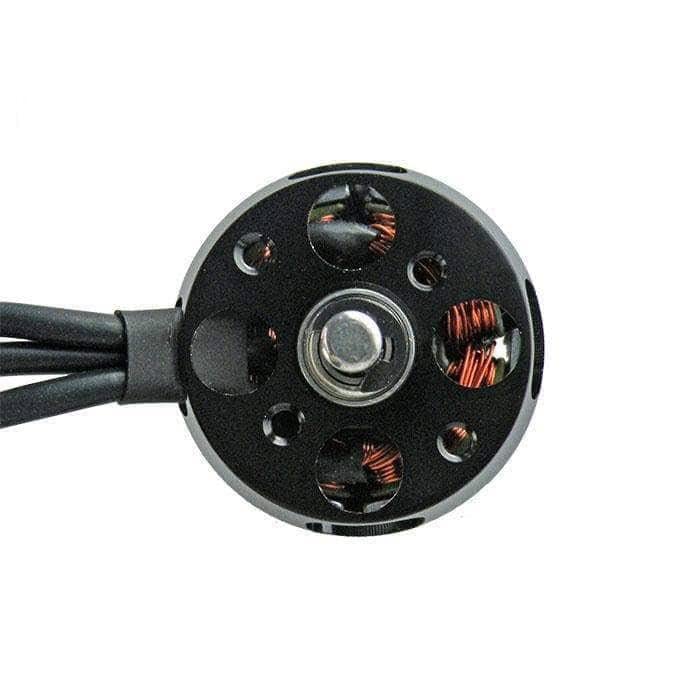
Figure 2: Bottom view of the motor, illustrating the mounting holes for attachment to the X-mount plate.
- Connecting to Electronic Speed Controller (ESC):
Connect the three motor wires to your ESC's motor output wires. The motor comes with pre-installed gold bullet connectors for easy connection. If the motor spins in the wrong direction, swap any two of the three motor wires connected to the ESC.
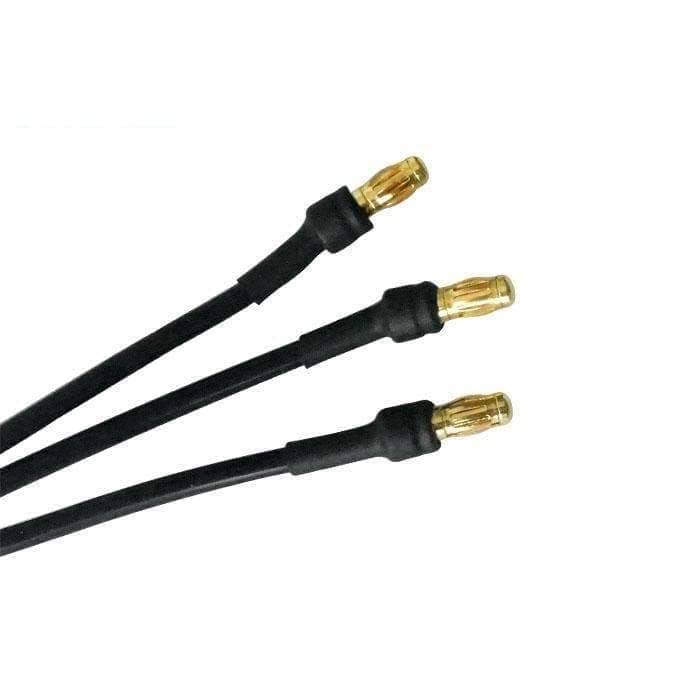
Figure 3: Close-up of the motor's three output wires, each terminated with a gold bullet connector for connection to an ESC.
- Propeller Installation:
Attach the propeller adapter to the motor shaft. Then, mount your propeller onto the adapter, ensuring it is balanced and securely fastened. An unbalanced propeller can cause excessive vibration and damage to the motor and aircraft.
- ESC Calibration:
Refer to your ESC's instruction manual for proper calibration procedures. This typically involves setting the throttle range to match your radio transmitter.
Operating Instructions
Before operating, always perform a pre-flight check to ensure all connections are secure and the motor spins freely without obstruction.
- Ensure your battery voltage is within the specified 3-5S Li-Po range. Using incorrect voltage can damage the motor and ESC.
- Gradually increase throttle to allow the motor to spool up smoothly. Avoid sudden, full-throttle bursts from a standstill.
- Monitor motor temperature during operation. Excessive heat can indicate an overloaded motor, an undersized propeller, or improper ESC settings.
- Always operate in a safe environment, away from people and obstacles.
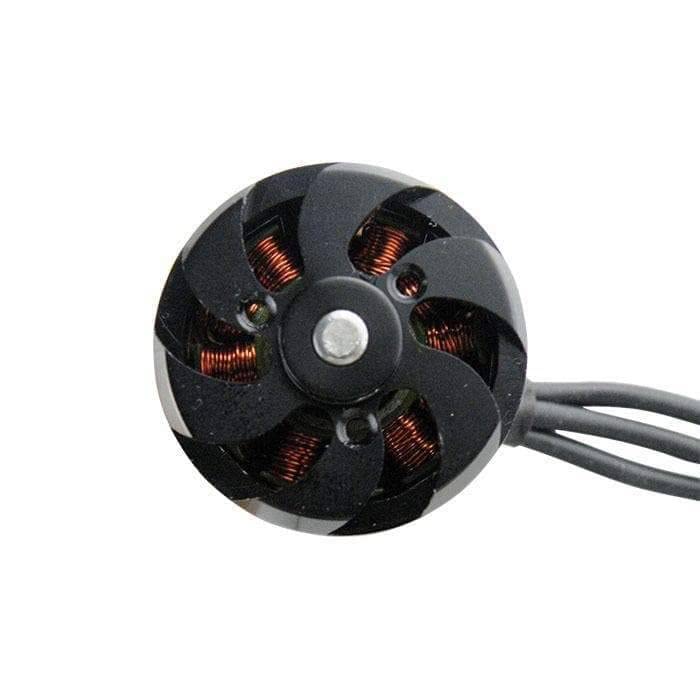
Figure 4: Top view of the motor, highlighting the cooling fan and the high-quality copper windings.
Maintenance
Regular maintenance will help extend the life of your Maytech motor.
- Cleaning: Periodically clean the motor to remove dust, dirt, and debris, especially from the cooling vents and around the shaft. Use compressed air or a soft brush.
- Bearing Check: Inspect the bearings for any signs of wear, roughness, or excessive play. While the motor uses durable NSK Japanese bearings, extreme conditions can affect them. Replace bearings if necessary.
- Connection Check: Regularly inspect all electrical connections (motor to ESC, ESC to battery) for corrosion, loose fit, or damage.
- Shaft Inspection: Check the motor shaft for bends or damage, which can cause vibration and reduce efficiency.
Troubleshooting
If you encounter issues with your motor, consider the following common troubleshooting steps:
- Motor Not Spinning:
- Check all electrical connections between the motor, ESC, and battery.
- Ensure the battery is charged and healthy.
- Verify ESC calibration and settings.
- Inspect for any physical obstructions preventing the motor from turning.
- Motor Overheating:
- Ensure the propeller size is appropriate for the motor and aircraft. An oversized propeller can cause excessive load.
- Check for proper airflow around the motor.
- Verify ESC timing settings (if adjustable).
- Inspect for damaged bearings or a bent shaft causing friction.
- Reduced Power or Efficiency:
- Check battery health and charge level.
- Inspect propeller for damage or imbalance.
- Ensure all connections are solid and free of corrosion.
- Verify ESC settings.
Warranty and Support
For warranty information or technical support, please refer to the official Maytech website or contact your authorized Maytech dealer. Keep your purchase receipt as proof of purchase.


