
1. Introduction
This manual provides essential information for the safe and effective installation, operation, and maintenance of your DALY 48V 16S BMS 60A Protection Board. The Battery Management System (BMS) is designed to protect lithium battery packs from various electrical issues, ensuring optimal performance and extending battery lifespan.

Figure 1: DALY 48V 16S BMS 60A Protection Board
2. Safety Information
- Always wear appropriate personal protective equipment (PPE) when handling batteries and electronic components.
- Ensure the battery pack is disconnected from any power source before installation or maintenance.
- Verify all connections and voltages with a multimeter before connecting the BMS to avoid wiring errors.
- Do not short-circuit the battery terminals or BMS connections.
- Keep the BMS away from moisture, dust, and extreme temperatures.
- If you are a novice, it is recommended to set the soldering iron temperature to about 350 degrees Celsius to prevent damage.
3. Package Contents
Please verify that all items are included in your package:
- 3.2V LiFePO4 BMS (1 unit)
- NTC sensor (1 unit)
- Sampling cable (1 unit)
- Instruction Manual (1 unit)
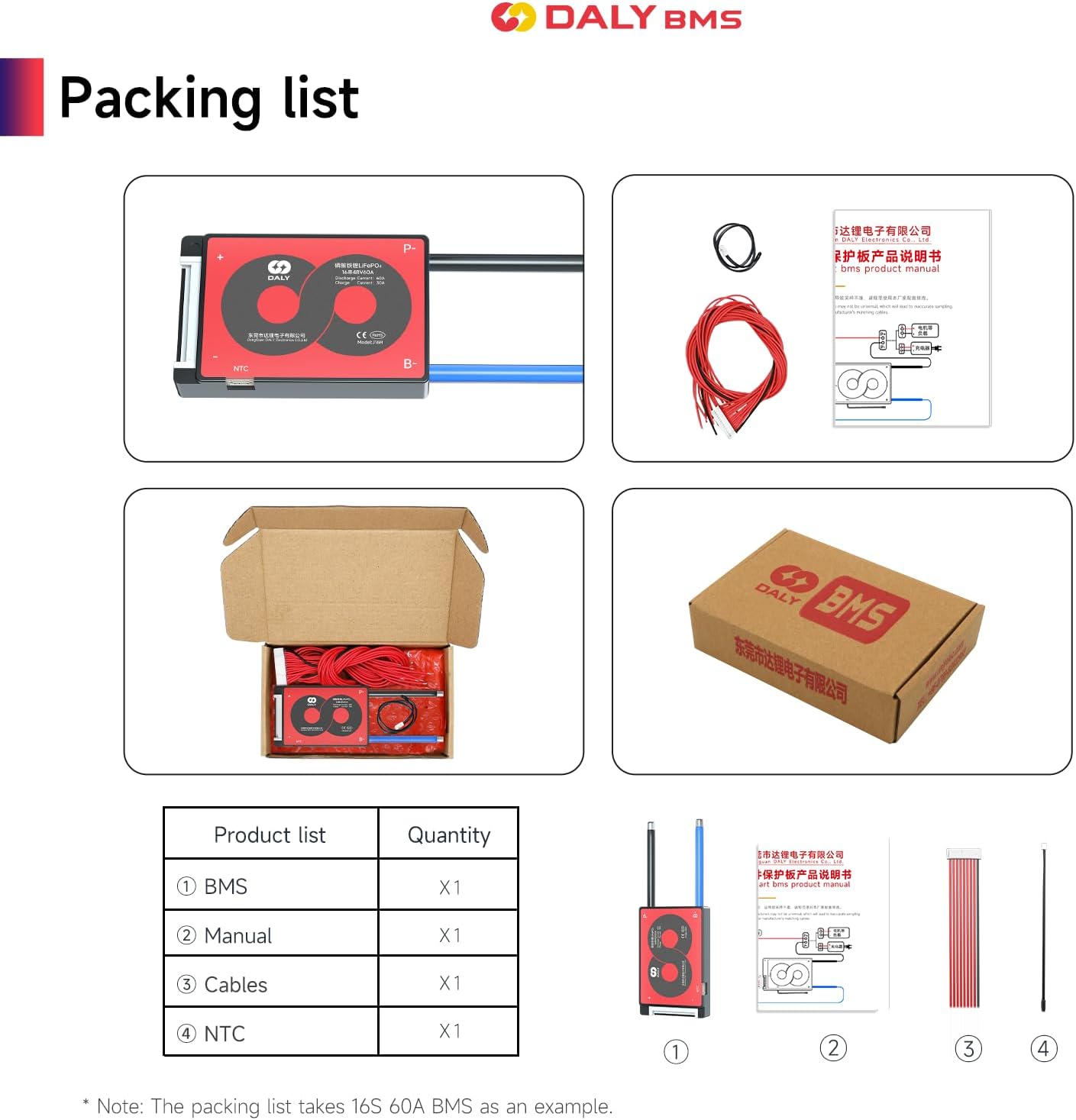
Figure 2: Included components in the DALY BMS package.
4. Specifications
The DALY 48V 16S BMS 60A Protection Board features the following specifications:
- Product Dimensions: 3.15 x 2.4 x 0.63 inches (80 x 61 x 16 mm)
- Item Weight: 6.2 ounces (175 Grams)
- Input Voltage: 48 Volts
- Cell Configuration: 16S (16 Lithium Ion batteries required)
- Discharge Current: 60A
- Overdischarge Current: 180±30A
- Charging Current: 60A
- Overcharge Current: 70±10A
- Overcharge Voltage: 3.65V±0.05V
- Overdischarge Voltage: 2.3V±0.05V
- Charge Voltage: 58.4V
- Output Wire: 10AWG/130mm
- Cable: 24AWG/450mm
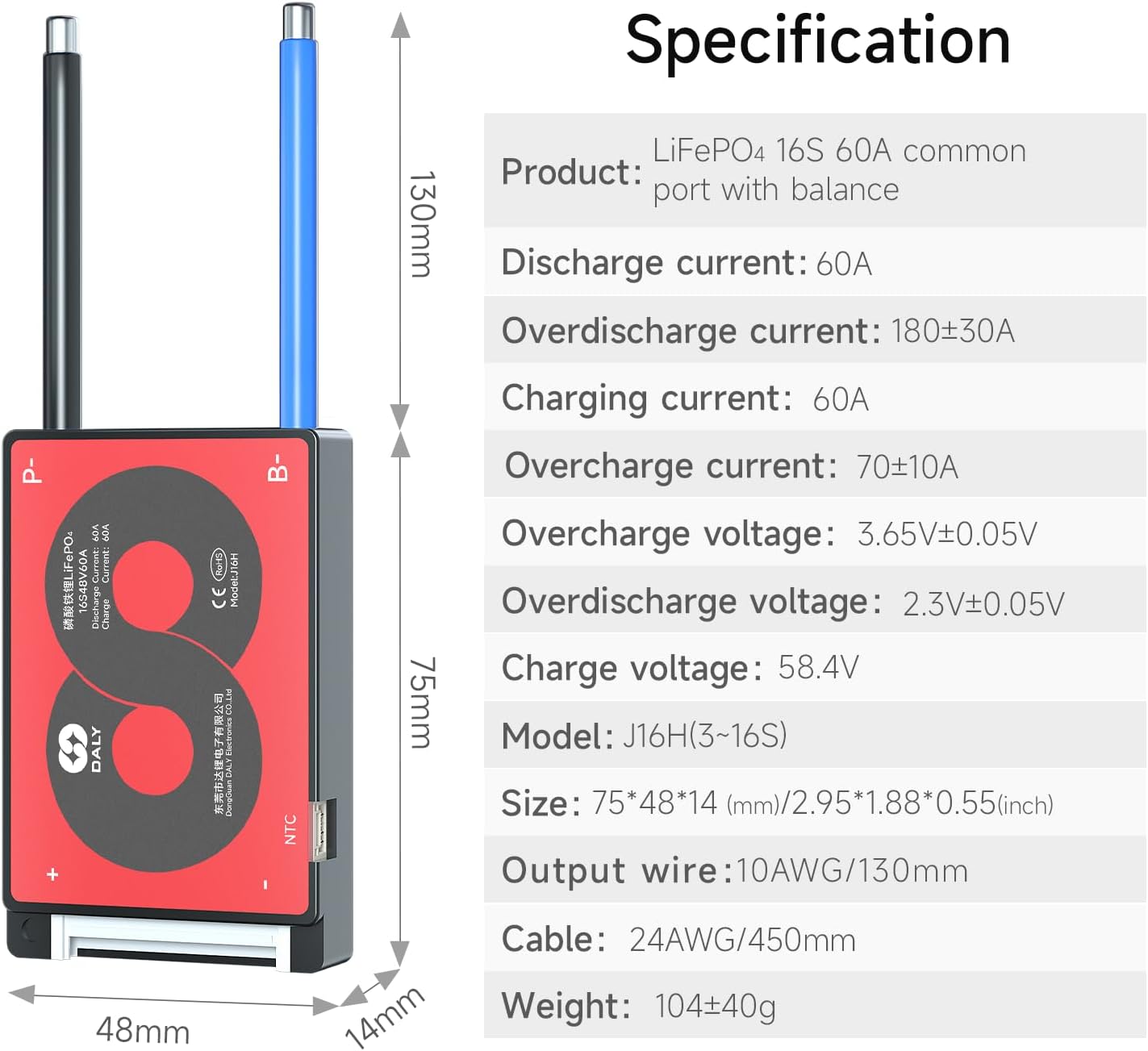
Figure 3: Detailed product specifications.
5. Features
The DALY BMS offers comprehensive protection and advanced technology:
- Protection Functions: Overcurrent, Overcharge, Overdischarge, Short circuit, Temperature protection. Optimizes lithium battery performance and extends battery lifetime.
- Double Protection: Features injection patent technology and a patent shell for enhanced durability.
- Robust Design: Waterproof, Dustproof, Shockproof, and Anti-static properties.
- High Quality Components: Pressure-resistant and durable materials with high acquisition accuracy.
- Easy Installation: Designed for easy plug-and-unplug connections between the battery pack and the BMS.
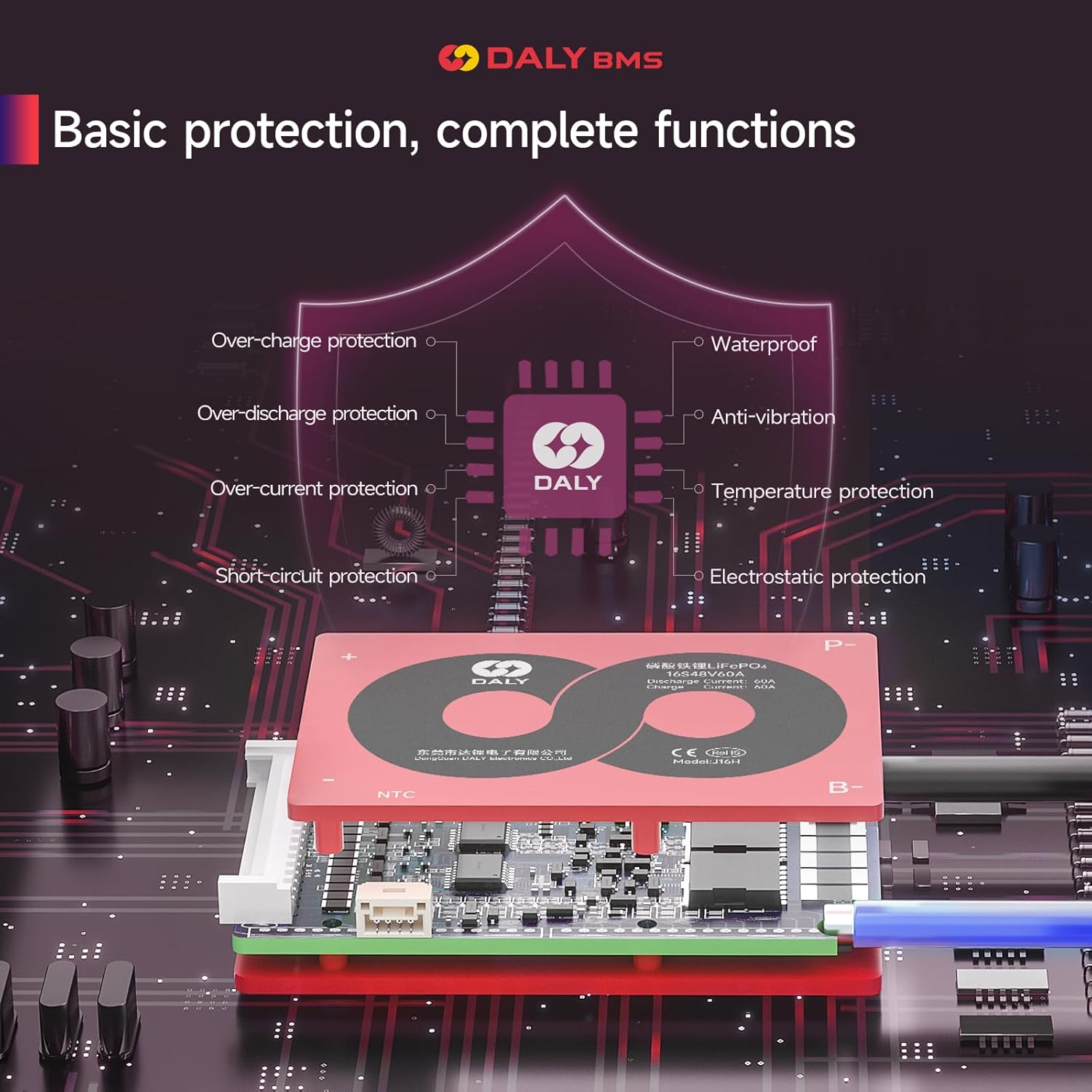
Figure 4: Overview of DALY BMS protection features.
6. Setup & Installation
6.1. Material Preparation
Before wiring, ensure you have the following tools and materials:
- DALY BMS unit
- Balance wires (sampling cables)
- Insulated ceramic scissors (for cutting wires)
- Multimeter (for voltage monitoring and error detection)
- Soldering iron and solder (recommended temperature: 350-420°C)
- Double-sided adhesive tape (for securing wires)
- Detection board (optional, for quick wiring error check)
Video 1: Preparing materials for DALY BMS wiring.
6.2. Determining Sampling Points
Correctly identifying sampling points is critical for proper BMS function. For a 10-string battery, there will be 11 sampling points. The first sampling point (B-) is the total negative electrode of the battery pack. Subsequent points (B1, B2, etc.) are the connection points between the negative electrode of one cell and the positive electrode of the next, up to the total positive electrode (B+).
Video 2: DALY BMS sampling point determination.
6.3. Wiring Procedure
Follow these steps carefully to wire the BMS to your battery pack:
- Secure Wires: Use double-sided adhesive tape to fix the balance wires to the battery pack, ensuring they are neatly aligned with their respective sampling points.
- Connect B0 (Black Wire): Connect the black cable (B0) from the sampling harness to the negative terminal of the battery pack (total negative electrode).
- Connect B1-B16 (Red Wires): Connect the first red cable (B1) to the positive terminal of the first battery cell. Continue connecting each subsequent red cable (B2, B3, etc.) to the positive terminal of each consecutive battery cell, ensuring the order is correct. The last red wire will connect to the total positive electrode (B+).
- Trim and Strip Wires: Once all wires are in place, carefully cut them to the appropriate length and strip the insulation from the ends.
- Solder Wires: Solder each stripped wire end to its corresponding sampling point on the battery pack. Ensure strong, clean solder joints.
- Verify Connections: Do NOT plug the balance harness into the BMS yet. First, use a multimeter to check the voltage between adjacent wires in the harness. Each reading should correspond to the voltage of a single cell (e.g., ~3.45V for LiFePO4). Then, check the cumulative voltage at each sampling point (e.g., B0 to B1, B0 to B2, etc.). The voltage should increase incrementally. If any reading is incorrect or a light on the detection board (if used) does not illuminate, recheck your wiring.
- Connect to BMS: After confirming all wiring is correct and voltages are accurate, carefully plug the balance harness into the designated port on the DALY BMS.

Figure 5: General wiring diagram for DALY BMS.
Video 3: Detailed DALY BMS wires welding procedure.
Video 4: Testing battery voltage before connecting with DALY BMS.
7. Operation
Once correctly installed, the DALY BMS operates automatically to manage and protect your battery pack. It continuously monitors cell voltages, currents, and temperatures to prevent conditions such as overcharge, overdischarge, overcurrent, and short circuits. The balancing function helps maintain uniform cell voltages across the pack.
Standard BMS models do not include communication functions. For smart BMS features, active balancers, parallel modules, or other accessories, please contact DALY customer service.
8. Maintenance
- Regularly inspect the BMS and all wiring for any signs of damage, corrosion, or loose connections.
- Keep the BMS clean and free from dust and debris.
- Ensure adequate ventilation around the battery pack and BMS to prevent overheating.
- If the battery pack is not in use for an extended period, store it in a cool, dry place and follow the battery manufacturer's storage recommendations.
9. Troubleshooting
If you encounter issues with your DALY BMS, consider the following common troubleshooting steps:
- No Power Output: Check all main power connections (P- and B-). Verify the total battery voltage with a multimeter. Ensure the BMS is correctly connected and not in a protected state (e.g., due to overdischarge).
- Charging Issues: Confirm the charger is functioning correctly and connected properly. Check for any overcharge protection activation.
- Unbalanced Cells: Allow the BMS to balance the cells over time. If severe imbalance persists, recheck individual cell voltages and balance wire connections.
- Overheating: Ensure the BMS has sufficient airflow. Reduce load if operating under high current for extended periods.
- Wiring Errors: Re-verify all balance wire connections using a multimeter as described in the Setup section. Incorrect wiring is a common cause of issues.
For persistent issues or complex problems, please contact DALY customer support.
10. Applications
The DALY BMS is suitable for various lithium battery applications, including prismatic cell battery packs, cylindrical cell battery packs, and pouch cell battery packs. Common uses include:
- Electric bicycles
- Electric two-wheelers
- Electric wheelchairs
- Electric scooters
- Hoverboards
- Portable power supplies
- AGV Forklifts
- Photovoltaic Energy Storage
- RVs Energy Storage
- Home Energy Storage

Figure 6: Examples of DALY BMS applications.
11. Product Parameters (LiFePO4 16S BMS)
Detailed electrical parameters for the LiFePO4 16S BMS:
| Description | Specification (Current in Amperes) | Unit | |||||||||||
|---|---|---|---|---|---|---|---|---|---|---|---|---|---|
| 20A | 30A | 40A | 50A | 60A | 80A | 100A | 120A | 150A | 200A | 250A | |||
| Discharge | Continue discharge current | 20A | 30A | 40A | 50A | 60A | 80A | 100A | 120A | 150A | 200A | 250A | A |
| Over discharge current detect | 60±10 | 100±20 | 160±30 | 180±30 | 220±40 | 360±50 | 560±50 | 260±50 | 260±50 | 500±100 | 500±100 | A | |
| Inner Resistance | Main Circuit Conduct Inner resistance <20 | mΩ | |||||||||||
| Charge | Charge voltage LiFePO4: 3.65V, Li-ion: 4.2V, LTO: 2.8V | V | |||||||||||
| Charge current | 10 | 15 | 20 | 25 | 30 | 40 | 50 | 60 | 75 | 100 | 125 | A | |
| Over charge protection | Over charge current detect delay | 25±3 | 40±5 | 60±10 | 80±10 | 140±20 | A | ||||||
| Over charge detect voltage | 3.65±0.05 | V | |||||||||||
| Over charge protection delay | 1 | S | |||||||||||
| Over charge release voltage | 3.55±0.05 | V | |||||||||||
| Balance | Balance detect Voltage | 3.525 | V | ||||||||||
| Balance release voltage | 3.525 | V | |||||||||||
| Balance current | 30±5 | mA | |||||||||||
| Over discharge protection | Over discharge detect | 2.3±0.05 | V | ||||||||||
| Over discharge detect delay | 1 | S | |||||||||||
| Over discharge release voltage | 2.7±0.05 | V | |||||||||||
| Over Charge current protection | Over charge current detect delay | 1 | S | ||||||||||
| Over charge current protection | Off load | ||||||||||||
| Short Circuit protection | Short circuit protection condition | Short circuit of external load | |||||||||||
| Short circuit detect delay | 200-500 | uS | |||||||||||
| Short circuit protection release | Off load | ||||||||||||
| Temp Protect | Temperature protection degrees | Charge: -20~55, Discharge: -40~75 | °C | ||||||||||
| Self Consumption | Working current | 100~200 | uA | ||||||||||
| Sleeping current(over-discharge) | 0 | uA | |||||||||||
| Working Temp | Temp range | -20~60 | °C | ||||||||||
| Storing Temp | Temp range | -40~85 | °C | ||||||||||
Figure 7: Detailed product parameters for LiFePO4 16S BMS.
12. Warranty & Support
DALY offers a quality guarantee with ISO/FCC/RoHS/PSE/CE approvals. We provide 24-hour one-on-one customer service and lifetime technical support for our products.
If you require assistance or have questions regarding your DALY BMS, please contact our online customer service.


