
1. Introduction
This manual provides essential information for the safe and effective use of your Roland FP-30X Digital Piano. Please read these instructions thoroughly before operating the instrument and retain them for future reference. The FP-30X is a portable digital piano featuring Roland's SuperNATURAL Piano technology, an 88-note PHA-4 Standard keyboard, and various connectivity options.
2. What's in the Box
Upon unpacking, ensure all the following items are present:
- Roland FP-30X Digital Piano (Keyboard)
- Power Adapter
- Music Rest
- Sustain Pedal
- Owner's Manual (this document)
- Optional accessories such as the KSC-70 stand and KPD-70 three-pedal unit are sold separately.
3. Setup
3.1 Placement
Place the FP-30X on a stable, flat surface or a compatible keyboard stand. Ensure adequate ventilation around the instrument. Avoid direct sunlight, heat sources, or excessive humidity.
3.2 Connecting Power
- Connect the included AC adapter to the DC IN jack on the rear panel of the FP-30X.
- Plug the AC adapter into a standard electrical outlet.
- Ensure the power indicator light illuminates when the power button is pressed.

Figure 1: Rear panel connections, including DC IN, USB, and pedal jacks.
3.3 Connecting a Sustain Pedal
Connect the included sustain pedal to the PEDAL 1 jack on the rear panel. For the optional KPD-70 three-pedal unit, connect it to the dedicated PEDAL 2 jack.
3.4 Connecting Headphones
For private practice, connect headphones to either of the two 6.35mm (1/4-inch) HEADPHONES jacks located on the front left side of the piano. Connecting headphones will mute the internal speakers.

Figure 2: User playing the FP-30X with headphones for silent practice.
4. Operating Instructions
4.1 Power On/Off and Volume
- To power on, press the Power button. The indicator light will illuminate.
- To power off, press and hold the Power button until the indicator light turns off.
- Adjust the overall volume using the Volume buttons (+/-). The LED indicators show the current volume level.

Figure 3: Control panel overview with power, volume, and tone selection buttons.
4.2 Selecting Tones
The FP-30X includes a variety of instrument sounds.
- Press the Piano button to select the standard acoustic piano sound.
- Press the E. Piano button for electric piano sounds.
- Press the Other button to cycle through additional sounds such as organs, strings, and synthesizers.
4.3 Metronome Function
The built-in metronome assists with rhythm practice.
- Press the Metronome button to turn the metronome on or off.
- Use the Slow and Fast buttons to adjust the tempo.
- Press the Beat button to change the time signature.
4.4 Bluetooth Connectivity
The FP-30X supports Bluetooth audio and MIDI for wireless connection to mobile devices.
- To initiate Bluetooth pairing, press and hold the Function button until the Bluetooth indicator flashes.
- On your mobile device, enable Bluetooth and select "FP-30X" from the list of available devices.
- Once paired, you can stream audio from your device through the piano's speakers or use MIDI apps like Roland's Piano App.
- Note: Bluetooth headphones are not supported for direct connection to the FP-30X.
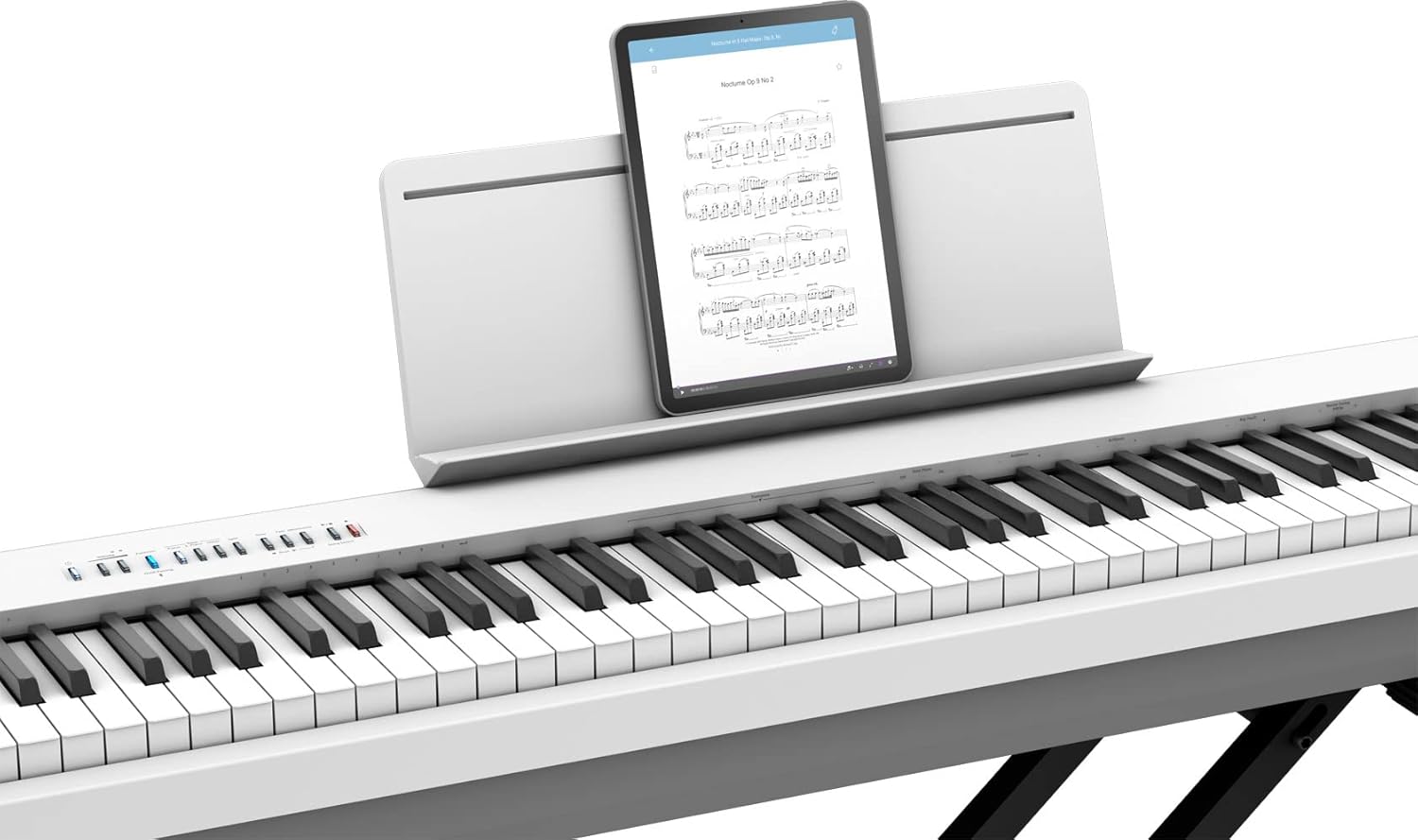
Figure 4: The FP-30X connected to a tablet for use with music apps.
4.5 Using the Roland Piano App
The Roland Piano App (available for iOS and Android) enhances your experience by allowing convenient control over sounds, metronome settings, and other functions from your smartphone or tablet.
- Download the Roland Piano App from your device's app store.
- Connect your device to the FP-30X via Bluetooth MIDI as described in Section 4.4.
- Launch the app to access advanced controls and learning features.
5. Maintenance
5.1 Cleaning
- Wipe the instrument with a soft, dry cloth.
- For stubborn dirt, use a slightly damp cloth and then wipe dry.
- Avoid using abrasive cleaners, waxes, or solvents, as these can damage the finish.
5.2 Storage
When not in use, store the FP-30X in a dust-free environment. If storing for an extended period, disconnect the power adapter.
6. Troubleshooting
| Problem | Solution |
|---|---|
| No sound from speakers/headphones. |
|
| Bluetooth connection fails. |
|
| Keys feel unresponsive or produce no sound. |
|
7. Specifications
| Feature | Detail |
|---|---|
| Model Name | Roland FP-30X Digital Piano |
| Number of Keys | 88 |
| Keyboard Type | PHA-4 Standard Keyboard with Escapement and Ivory Feel |
| Sound Engine | SuperNATURAL Piano |
| Output Wattage | 22 Watts (11W x 2) |
| Connectivity Technology | Bluetooth (Audio/MIDI) |
| Connector Types | USB (Type B for Computer, Type A for Memory), DC IN, 3.5mm Jack (Output L/Mono, R), Pedal Jacks (1/4-inch, dedicated for KPD-70) |
| Headphones Jack | 6.35mm Jack x 2 |
| Dimensions (W x D x H) | 51.2 x 11.2 x 6 inches (1300 x 284 x 151 mm) |
| Item Weight | 47 pounds (21.3 kg) |
| Power Source | Corded Electric |
| Supported Software | Roland Piano App, Apple’s GarageBand |
8. Warranty and Support
For warranty information and customer support, please refer to the warranty card included with your product or visit the official Roland website. Keep your purchase receipt as proof of purchase.
- Online Support: Visit Roland's official support page for FAQs, downloads, and service information.
- Product Registration: Register your product online to receive updates and support.


