
1. Introduction
Welcome to the instruction manual for your CISA 56515-58-0-PG Cylinder Lock. This manual provides essential information for the correct installation, operation, and maintenance of your new security product. Please read it thoroughly before proceeding with installation or use to ensure optimal performance and safety.
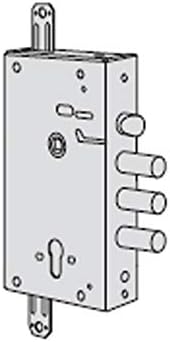
This image displays a technical drawing of the CISA 56515-58-0-PG armored door lock. It illustrates the robust metal casing, the central opening for the European profile cylinder, the mechanism for the reversible latch, and the three cylindrical deadbolts designed for enhanced security. The top and bottom fixing points are also visible.
2. Safety Information
Adherence to these safety guidelines is crucial for preventing injury and ensuring the proper function of the lock:
- Professional installation is highly recommended to ensure correct fitting and operation.
- Always use appropriate tools for installation and maintenance.
- Keep all components, especially small parts and keys, out of reach of children.
- Do not attempt to modify the lock mechanism, as this may compromise its security features and void the warranty.
- Ensure the door frame and door itself are structurally sound to support the lock and its security features.
3. Package Contents
Please verify that all components are present in your package before beginning installation:
- CISA 56515-58-0-PG Lock Body
- Fixing Screws (quantity may vary)
- Instruction Manual (this document)
- Keys (if included with the cylinder, sold separately)
4. Specifications
Key technical details for the CISA 56515-58-0-PG Cylinder Lock:
| Feature | Detail |
|---|---|
| Manufacturer | CISA |
| Model Number | 90683 |
| Product Dimensions | 18 x 19.5 x 26.5 cm |
| Weight | 11.9 Kilograms |
| Material | Metal |
| Number of Pieces (Deadbolts) | 3 (extended by 18 mm, total 21 mm) |
| Entry Dimension | 64 mm |
| Type of Closure | Key |
| Features | European cylinder predisposition, reversible latch, gear movement, anti-burglary trap, ambidextrous |
5. Installation Guide
This section outlines the general steps for installing the CISA 56515-58-0-PG lock. For detailed instructions specific to your door type, consult a professional locksmith or installer.
- Prepare the Door: Ensure the door is properly mortised to accommodate the lock body. Verify that the dimensions match the lock's specifications, including the entry dimension (backset) of 64 mm.
- Insert the Lock Body: Carefully slide the lock body into the prepared mortise in the door edge. Ensure it sits flush and is correctly oriented. The reversible latch should be facing the correct direction for your door's opening.
- Secure the Lock: Use the provided fixing screws to firmly attach the lock body to the door. Do not overtighten the screws, as this can warp the lock case or damage the door.
- Install the Cylinder: Insert the European profile cylinder (sold separately) into its designated opening on the lock body. Secure it with the cylinder retaining screw, typically located on the door edge.
- Install Handle and Escutcheons: Attach the door handle (if applicable) and any escutcheons or trim plates according to their respective instructions.
- Test Operation: Before closing the door, test the lock's functionality. Operate the latch with the handle, and then insert the key into the cylinder to extend and retract the deadbolts. Ensure smooth operation without resistance.
- Final Adjustments: Close the door and test the lock again. Ensure the latch and deadbolts align perfectly with the strike plate on the door frame. Adjust the strike plate if necessary for optimal engagement.
6. Operating Instructions
The CISA 56515-58-0-PG lock is designed for straightforward operation:
- Opening the Door: From the outside, insert the key into the cylinder and turn it to retract the deadbolts and then the latch. From the inside, use the handle to retract the latch.
- Closing the Door: Push the door shut. The reversible latch will engage automatically.
- Locking the Door: Once the door is closed, insert the key into the cylinder and turn it to extend the three deadbolts into the door frame. Ensure the deadbolts are fully extended for maximum security.
- Reversible Latch: The latch is ambidextrous, meaning it can be reversed to suit left-hand or right-hand opening doors. Consult a professional if you need to reverse the latch direction.
7. Maintenance
Regular maintenance helps prolong the life and ensure the smooth operation of your CISA lock:
- Cleaning: Periodically clean the visible parts of the lock with a soft, dry cloth. Avoid abrasive cleaners or solvents, which can damage the finish.
- Lubrication: Every 6-12 months, apply a small amount of graphite-based lubricant or a specialized lock lubricant into the keyway of the cylinder and onto the moving parts of the lock mechanism (latch and deadbolts). Do not use oil-based lubricants, as they can attract dust and grime.
- Check Screws: Periodically check all mounting screws for tightness. Retighten if necessary, but do not overtighten.
- Functionality Check: Regularly test the lock's operation with the door open and closed to ensure the latch and deadbolts move freely and engage correctly.
8. Troubleshooting
If you encounter issues with your CISA lock, consider the following common problems and solutions:
- Difficulty Turning Key:
Possible Cause: Lack of lubrication, dirt in the cylinder, or a bent key.
Solution: Apply lock lubricant to the keyway. Clean the key. If the key is bent, replace it. If the problem persists, the cylinder may need replacement. - Deadbolts Not Extending/Retracting Smoothly:
Possible Cause: Misalignment with the strike plate, dirt in the mechanism, or worn parts.
Solution: Check the alignment of the lock with the strike plate on the door frame. Lubricate the deadbolt mechanism. If the issue continues, professional inspection is recommended. - Latch Not Engaging:
Possible Cause: Misalignment, obstruction, or a faulty spring.
Solution: Inspect the latch and strike plate for obstructions or misalignment. Ensure the handle operates freely. If the latch spring is broken, the lock body may need replacement. - Door Rattles When Closed:
Possible Cause: Loose strike plate or worn latch.
Solution: Tighten the strike plate screws. If the latch is worn, it may require adjustment or replacement.
For issues not resolved by these steps, contact a qualified locksmith or CISA customer support.
9. Warranty and Support
Your CISA 56515-58-0-PG Cylinder Lock is covered by the manufacturer's standard warranty against defects in materials and workmanship. The specific terms and duration of the warranty may vary by region and purchase date. Please retain your proof of purchase for warranty claims.
For technical assistance, spare parts, or warranty service, please contact your authorized CISA dealer or visit the official CISA website for customer support information.
CISA S.p.A.
Official Website: www.cisa.com


