Introduction
This manual provides essential information for the proper setup, operation, and maintenance of your MikroTik RB2011UiAS-2HnD-IN Router. Please read through these instructions carefully to ensure optimal performance and longevity of your device. This router is designed for versatile networking applications, featuring a combination of Gigabit and Fast Ethernet ports, an SFP port, and integrated wireless capabilities.
Product Overview
The MikroTik RB2011UiAS-2HnD-IN is a versatile router designed for various networking environments. It combines robust routing capabilities with integrated wireless functionality. Key features include:
- Ethernet Ports: 5x Gigabit Ethernet ports (Eth1-Eth5) and 5x Fast Ethernet ports (Eth6-Eth10).
- SFP Port: One SFP port for fiber connectivity.
- Wireless: Integrated 802.11b/g/n wireless with two external antennas.
- USB Port: One USB port for additional storage or 3G/4G modem connectivity.
- Power over Ethernet (PoE): PoE output on Eth10, allowing power to be supplied to another PoE-compatible device.
- Operating System: RouterOS, offering extensive configuration options.

Figure 1: Front view of the MikroTik RB2011UiAS-2HnD-IN Router. It features five Gigabit Ethernet ports (Eth1-Eth5), five Fast Ethernet ports (Eth6-Eth10), one SFP port, one USB port, and two external antennas for wireless connectivity. LED indicators for port activity are also visible.
Setup
1. Initial Connection
- Power Connection: Connect the provided power adapter to the DC jack on the router and plug it into a power outlet.
- Internet Connection: Connect your internet service provider's modem or main network cable to the WAN port (typically Eth1 or a designated WAN port).
- Local Network Devices: Connect your computers or other network devices to any of the available Ethernet ports (Eth1-Eth10).
- Wireless Antennas: Ensure the two external antennas are securely attached and positioned for optimal signal coverage.
2. First-Time Configuration
- Access RouterOS: Open a web browser on a computer connected to the router and navigate to the default IP address (usually http://192.168.88.1).
- Login: The default username is 'admin' with no password. It is highly recommended to set a strong password immediately after logging in.
- Quick Set: Use the "Quick Set" interface for basic configuration, including setting up your internet connection, wireless network name (SSID), and password.
- Advanced Configuration: For advanced settings, refer to the RouterOS documentation available on the MikroTik website.

Figure 2: An angled view of the MikroTik RB2011UiAS-2HnD-IN Router, highlighting its compact design and the placement of its various ports and antennas.
Operating Instructions
1. Wireless Network Usage
- Connecting Devices: Search for your configured wireless network (SSID) on your devices and connect using the password you set during setup.
- Signal Optimization: Position the router in a central location, away from obstructions and interference sources, for the best wireless signal.
2. Ethernet Port Functionality
- Gigabit Ports (Eth1-Eth5): Use these ports for devices requiring high-speed connections, such as servers, network-attached storage (NAS), or high-performance workstations.
- Fast Ethernet Ports (Eth6-Eth10): Suitable for general network devices like printers, older computers, or devices that do not require Gigabit speeds.
- PoE Out (Eth10): Eth10 can provide power to another PoE-compatible device. Ensure the connected device supports passive PoE and the power requirements are met.
- SFP Port: The SFP port allows for fiber optic connections, providing high-speed and long-distance network links. Insert a compatible SFP module as needed.
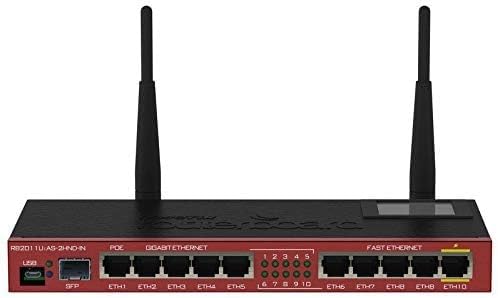
Figure 3: A top-down perspective of the router, providing a clear view of the port numbering, LED indicators, and the overall layout of the device's front panel.
Maintenance
- Firmware Updates: Regularly check the MikroTik website for RouterOS updates. Keeping your firmware up-to-date ensures security and performance improvements. Follow the official update procedures carefully.
- Cleaning: Keep the router clean and free from dust. Use a soft, dry cloth for cleaning. Do not use liquid cleaners or aerosols. Ensure ventilation slots are unobstructed.
- Environmental Conditions: Operate the router within its specified temperature and humidity ranges to prevent damage and ensure stable operation.
Troubleshooting
- No Power: Check the power adapter connection and the power outlet. Ensure the power LED on the router is illuminated.
- No Internet Connection: Verify that your modem is working correctly. Check the WAN port connection on the router. Ensure your internet service provider is not experiencing outages.
- Wireless Issues: Confirm your wireless network is enabled and broadcasting. Check the wireless password. Try restarting the router. Ensure no strong interference sources are nearby.
- Slow Network Speed: Check cable connections for damage. Ensure devices are connected to appropriate speed ports (Gigabit for high-speed). Monitor network traffic for congestion.
- Factory Reset: If you encounter persistent issues or forget your password, you can perform a factory reset. Locate the reset button (usually a small pinhole) and press it for 5-10 seconds while the device is powered on. This will revert all settings to default.
Specifications
| Feature | Detail |
|---|---|
| Model Name | RB2011UiAS-2HnD-IN |
| Product Dimensions | 3.54 x 9.06 x 0.98 inches |
| Item Weight | 8.1 ounces |
| Ethernet Ports | 5x Gigabit, 5x Fast Ethernet |
| SFP Port | 1x SFP |
| Wireless Standard | 802.11b/g/n |
| Frequency Band Class | Single-Band (2.4GHz) |
| Antenna Type | Internal (with external connectors for included antennas) |
| USB Port | 1x USB |
| PoE Out | Yes, on Eth10 |
| Manufacturer | Mikrotik |
| Date First Available | January 20, 2020 |
Warranty and Support
For warranty information and technical support, please refer to the official MikroTik website or contact your authorized reseller. Keep your purchase receipt as proof of purchase for warranty claims.


