
1. Introduction
This manual provides detailed instructions for setting up, operating, maintaining, and troubleshooting your HUAWEI 4G Wireless Router B311As-853. Please read this manual thoroughly before using the device to ensure proper and safe operation.
2. Package Contents
Verify that your package contains the following items:
- HUAWEI 4G Wireless Router B311As-853
- Power Adapter
- Quick Start Guide (this document)
- Ethernet Cable (may vary by region)
Note: Actual contents may vary. Please check the packaging for a complete list.
3. Product Overview
Familiarize yourself with the main components and indicators of your router.
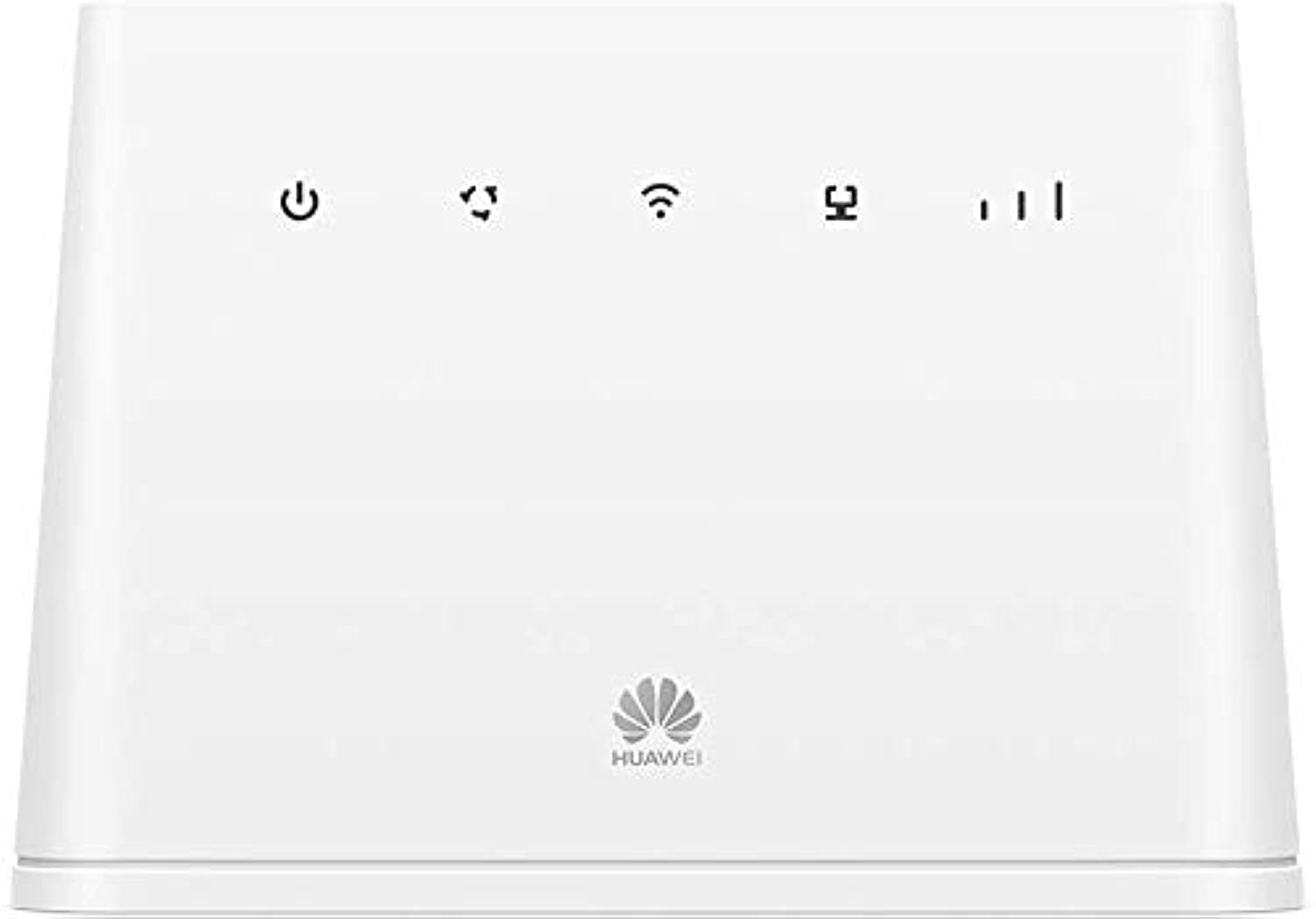
Figure 1: Front view of the HUAWEI 4G Wireless Router B311As-853, showing power and WPS buttons, and indicator lights for power, network status, Wi-Fi, and signal strength.
Indicator Lights:
- Power Indicator: Indicates power status.
- Network Status Indicator: Shows connection to the 4G network.
- Wi-Fi Indicator: Shows Wi-Fi status.
- Signal Strength Indicator: Displays the strength of the 4G signal.
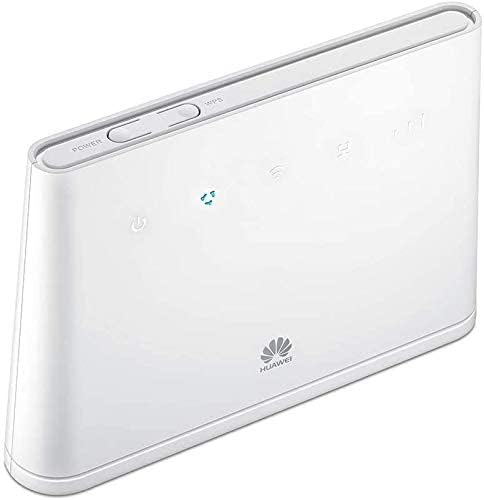
Figure 2: Side view of the HUAWEI 4G Wireless Router B311As-853, showing ports and SIM card slot.
Ports and Buttons:
- Power Port: Connects to the power adapter.
- LAN/WAN Port: Connects to a computer or other network devices.
- SIM Card Slot: Insert your 4G SIM card here.
- Reset Button: Used to restore factory settings.
- WPS Button: For quick Wi-Fi Protected Setup.
4. Setup Guide
4.1. Inserting the SIM Card
- Ensure the router is powered off.
- Locate the SIM card slot, usually on the side or bottom of the device.
- Insert a standard 4G SIM card into the slot with the gold contacts facing down and the notched corner oriented correctly. Push until it clicks into place.
4.2. Connecting Power
- Connect the power adapter to the router's power port.
- Plug the other end of the power adapter into a wall outlet.
- Press the Power button to turn on the router. The Power indicator should light up.
4.3. Initial Configuration
You can connect to the router via Wi-Fi or an Ethernet cable.
Connecting via Wi-Fi:
- On your computer or smartphone, search for available Wi-Fi networks.
- Select the Wi-Fi network name (SSID) printed on the label at the bottom of your router.
- Enter the Wi-Fi password (Key) also found on the router's label.
Connecting via Ethernet:
- Connect one end of an Ethernet cable to the LAN/WAN port on the router.
- Connect the other end of the Ethernet cable to your computer's Ethernet port.
Accessing the Web Management Page:
- Open a web browser (e.g., Chrome, Firefox, Edge).
- In the address bar, type the default IP address (usually
192.168.8.1or192.168.1.1) or the web address printed on the router's label, then press Enter. - Enter the default username and password (usually
adminfor both, or as specified on the router's label). - Follow the on-screen instructions to complete the initial setup, including changing the default Wi-Fi name and password for security.
5. Operating Instructions
5.1. Connecting Devices
Once the router is set up and connected to the internet, you can connect multiple devices:
- Wi-Fi Devices: Connect smartphones, tablets, laptops, and other Wi-Fi enabled devices using the Wi-Fi name (SSID) and password you configured.
- Wired Devices: Use Ethernet cables to connect devices like desktop computers, smart TVs, or gaming consoles to the LAN ports.
5.2. Understanding Indicator Lights
The indicator lights provide important information about the router's status:
- Power: Solid green indicates power on.
- Network Status: Solid blue/green indicates connected to 4G network; blinking indicates searching for network; red indicates no network or error.
- Wi-Fi: Solid green indicates Wi-Fi is active; blinking indicates data transmission.
- Signal Strength: Multiple bars indicate strong signal; fewer bars indicate weaker signal.
5.3. Managing Settings
Access the web management page (as described in Section 4.3) to manage advanced settings such as:
- Changing Wi-Fi name and password.
- Configuring network settings (APN, data limits).
- Managing connected devices.
- Updating firmware.
6. Maintenance
6.1. Cleaning
Regularly clean the router to prevent dust buildup:
- Power off the device and unplug it from the power outlet.
- Use a soft, dry cloth to wipe the exterior.
- Do not use liquid cleaners or aerosols.
6.2. Firmware Updates
Periodically check for and install firmware updates through the web management page. Firmware updates can improve performance, add new features, and enhance security.
6.3. Resetting to Factory Settings
If you encounter persistent issues or forget your login credentials, you can reset the router to its factory default settings:
- With the router powered on, use a pointed object (like a paperclip) to press and hold the Reset button for approximately 5-10 seconds.
- Release the button when the indicators flash. The router will restart with factory settings.
- You will need to reconfigure the router after a factory reset.
7. Troubleshooting
This section addresses common issues you might encounter.
7.1. No Internet Connection
- Check SIM Card: Ensure the SIM card is correctly inserted and active.
- Network Signal: Check the Network Status and Signal Strength indicators. If the signal is weak or red, try moving the router to a location with better reception.
- APN Settings: Verify that the Access Point Name (APN) settings in the web management page are correct for your mobile operator.
- Restart Router: Power off the router, wait a few seconds, then power it back on.
7.2. Slow Wi-Fi Speed
- Signal Strength: Ensure your connected device is within a good Wi-Fi signal range.
- Interference: Move the router away from other electronic devices that might cause interference (e.g., cordless phones, microwaves).
- Too Many Devices: Disconnect some devices if too many are simultaneously using the network.
- Firmware: Ensure the router's firmware is up to date.
7.3. Cannot Access Web Management Page
- IP Address: Double-check the IP address entered in the browser.
- Connection: Ensure your device is correctly connected to the router via Wi-Fi or Ethernet.
- Browser Cache: Clear your browser's cache and cookies, or try a different browser.
- Reset: If all else fails, perform a factory reset (see Section 6.3).
8. Specifications
Key technical specifications for the HUAWEI 4G Wireless Router B311As-853:
| Feature | Description |
|---|---|
| Brand | HUAWEI |
| Model Name | B311As-853 |
| Connectivity Technology | Wireless |
| Wireless Communication Standard | 802.11ac |
| Frequency Band Class | Dual-Band |
| Compatible Devices | Smartphone |
| Recommended Uses | Home |
| Included Components | Router |
| Operating System | RouterOS |
| Shipping Dimensions | 22.8 x 18.6 x 6.2 cm; 670 grams |
| Manufacturer Reference | 545542 |
9. Safety Information
Please observe the following safety precautions:
- Do not expose the device to extreme temperatures, direct sunlight, or humid environments.
- Use only the original power adapter provided with the device.
- Keep the device away from water and other liquids.
- Do not attempt to open or repair the device yourself. Refer to qualified service personnel.
- Ensure proper ventilation around the device to prevent overheating.
10. Warranty and Support
For warranty information and technical support, please refer to the warranty card included in your package or visit the official HUAWEI website. You can also contact HUAWEI customer service for assistance.
HUAWEI Official Website: consumer.huawei.com


