
Introduction
This manual provides essential information for the installation, operation, maintenance, and troubleshooting of the ZDTOPA 153300S010 Variable Valve Timing (VVT) Solenoid. Please read these instructions carefully before proceeding with any installation or service to ensure proper function and safety. Retain this manual for future reference.
Product Overview
The Variable Valve Timing (VVT) Solenoid, also known as the Oil Control Valve (OCV), is a critical component in modern engine management systems. It controls the oil pressure to the VVT actuator, which in turn adjusts the camshaft timing. This adjustment optimizes valve overlap for improved engine performance, fuel efficiency, and reduced emissions across various engine speeds and loads.
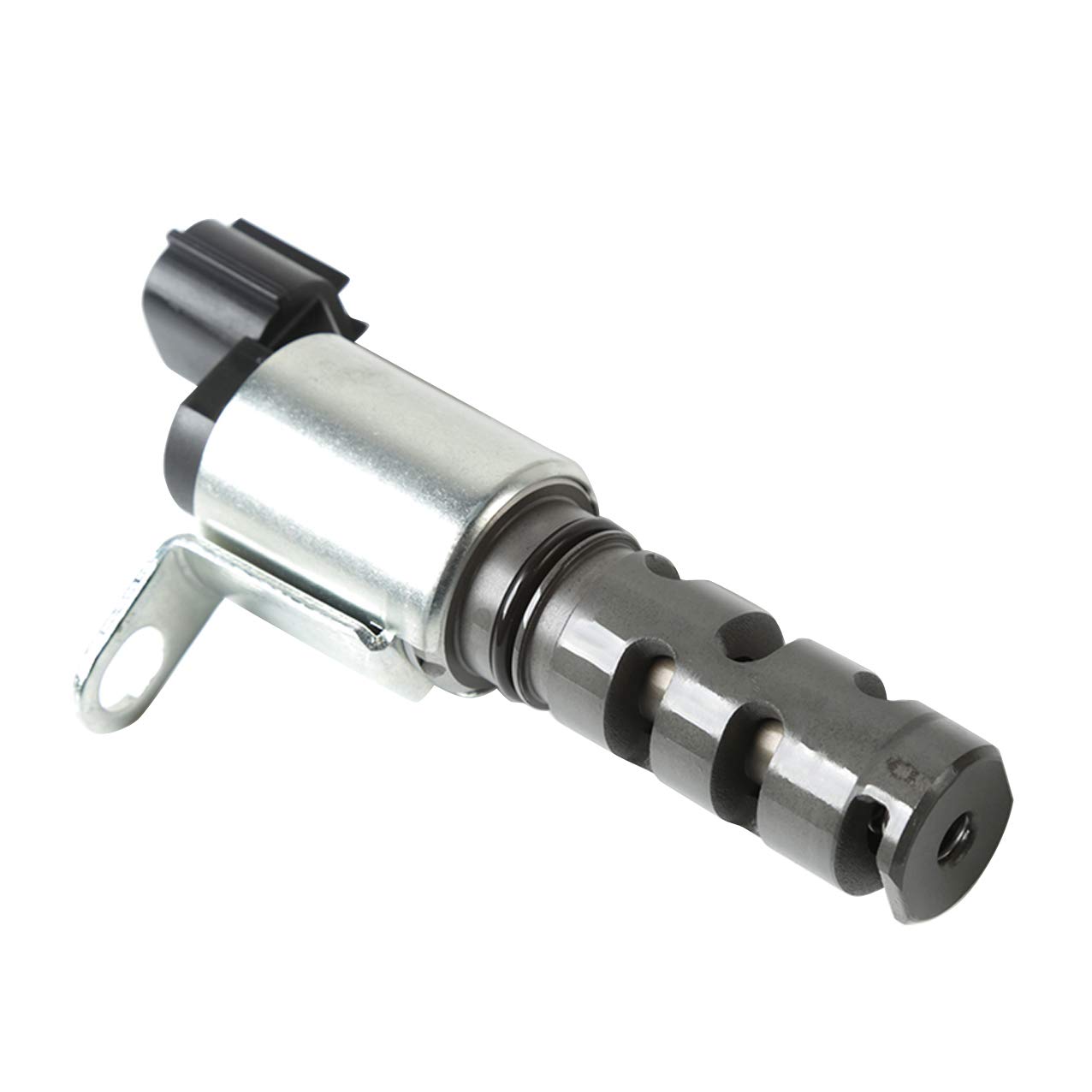
Figure 1: Side view of the ZDTOPA 153300S010 Variable Valve Timing Solenoid, showing the metallic body and electrical connector.
Compatibility
This ZDTOPA VVT Solenoid (Part Number: 153300S010, 15330-38010, 917-234, TS1028) is compatible with specific Lexus and Toyota Tundra models manufactured between 2007 and 2013. Always verify compatibility with your vehicle's year, make, and model, and cross-reference the part number before purchase and installation.
Compatible Vehicle Brands/Models:
- Lexus (specific models within 2007-2013 range)
- Toyota Tundra (2007-2013 models)
Note: It is crucial to confirm the exact fitment for your vehicle using the provided part numbers and your vehicle's specifications.
Package Contents
Upon opening the package, please ensure all components are present and undamaged.
- 1 x ZDTOPA Variable Valve Timing (VVT) Solenoid (Part Number: 153300S010)
Safety Information
Automotive repair can be hazardous. Always follow standard safety precautions when working on a vehicle. Failure to do so may result in personal injury or damage to the vehicle.
- Wear appropriate personal protective equipment (PPE), such as safety glasses and gloves.
- Ensure the vehicle is parked on a level surface, the engine is off and cooled, and the parking brake is engaged.
- Disconnect the vehicle's battery before beginning any electrical work.
- Refer to your vehicle's service manual for specific procedures and torque specifications.
- If you are unsure about any step, seek assistance from a qualified automotive technician.
Setup and Installation
Installation of the VVT solenoid typically involves working with engine components. It is recommended that this procedure be performed by a qualified automotive technician. The following steps are general guidelines and may vary depending on your specific vehicle model.
- Preparation: Ensure the engine is cool. Disconnect the negative terminal of the vehicle's battery. Locate the VVT solenoid on your engine (refer to your vehicle's service manual for exact location).
- Access: Depending on the vehicle, you may need to remove other components (e.g., engine covers, intake manifold parts) to gain access to the VVT solenoid.
- Disconnect Electrical Connector: Carefully disconnect the electrical connector from the existing VVT solenoid.
- Remove Mounting Bolt: Remove the bolt or bolts securing the VVT solenoid in place.
- Extract Old Solenoid: Gently pull the old VVT solenoid out of its bore. Be prepared for a small amount of oil to drain. Inspect the bore for any debris.
- Install New Solenoid: Apply a small amount of clean engine oil to the O-rings of the new ZDTOPA VVT solenoid. Carefully insert the new solenoid into the bore, ensuring it seats properly.
- Secure Solenoid: Reinstall the mounting bolt(s) and tighten to the manufacturer's specified torque. Do not overtighten.
- Reconnect Electrical Connector: Reconnect the electrical connector firmly to the new VVT solenoid.
- Reassemble: Reinstall any components that were removed for access.
- Final Steps: Reconnect the negative battery terminal. Start the engine and check for any leaks or abnormal operation. Clear any stored diagnostic trouble codes (DTCs) using an OBD-II scanner if necessary.

Figure 2: End view of the VVT Solenoid, highlighting the electrical connector for proper attachment during installation.

Figure 3: Angled view of the VVT Solenoid, showing the overall construction and oil passages.
Operating Principle
The VVT solenoid operates under the control of the Engine Control Unit (ECU). Based on various sensor inputs (engine speed, load, temperature, etc.), the ECU sends an electrical signal to the VVT solenoid. The solenoid then regulates the flow of engine oil to the VVT actuator on the camshaft. By precisely controlling oil pressure, the solenoid allows the actuator to advance or retard the camshaft timing, optimizing valve opening and closing events for different driving conditions. This dynamic adjustment contributes to a smoother idle, increased horsepower, improved torque, and better fuel economy.
Maintenance
The ZDTOPA VVT Solenoid is designed for durability and reliable performance. Regular maintenance of the VVT solenoid itself is generally not required. However, its proper function is highly dependent on the overall health of your engine and its lubrication system.
- Engine Oil Quality: Ensure your engine oil is changed regularly according to your vehicle manufacturer's recommendations, using the specified oil type and viscosity. Dirty or low-quality oil can clog the VVT solenoid's internal passages, leading to malfunction.
- Oil Level: Maintain the correct engine oil level. Low oil pressure can impair VVT system operation.
- Oil Filter: Use a high-quality oil filter and replace it with every oil change to prevent contaminants from reaching the VVT system.
Troubleshooting
If you experience issues after installing the VVT solenoid or suspect a malfunction, consider the following common symptoms and potential causes:
| Symptom | Possible Cause | Action |
|---|---|---|
| Check Engine Light (CEL) illuminated | VVT system fault, electrical connection issue, faulty solenoid. | Scan for DTCs (Diagnostic Trouble Codes). Check electrical connector for secure fit. Inspect wiring. |
| Rough idle or stalling | Incorrect camshaft timing due to VVT solenoid malfunction. | Check VVT solenoid operation with a diagnostic tool. Verify engine oil level and quality. |
| Reduced engine performance or fuel economy | VVT system not optimizing valve timing. | Confirm VVT solenoid is receiving proper signals and responding correctly. |
| Engine noise (e.g., rattling) | Low oil pressure, VVT actuator issue, or VVT solenoid not functioning correctly. | Check oil pressure. Inspect VVT actuator. Consult a professional. |
If troubleshooting steps do not resolve the issue, it is recommended to consult a certified automotive technician for further diagnosis and repair.
Specifications
| Attribute | Value |
|---|---|
| Brand | ZDTOPA |
| Part Number (OEM) | 153300S010, 15330-38010, 917-234, TS1028 |
| Manufacturer Part Number | ZD-VVT-27 |
| Item Weight | 1 pound |
| Material | Metal |
| Color | Silver |
| Number of Ports | 2 |
| Certification | OEM (Specification Met) |
Warranty and Support
Specific warranty details for the ZDTOPA 153300S010 Variable Valve Timing Solenoid are not provided within this product information. For warranty claims, technical support, or further inquiries, please contact the manufacturer, ZDTOPA, directly through their official channels or the retailer from whom the product was purchased.
Always retain your proof of purchase for any warranty-related matters.