Introduction
This user manual provides comprehensive instructions for the operation, maintenance, and troubleshooting of your MIAOKE 48 Needles Knitting Machine. Designed for both beginners and experienced knitters, this machine allows for efficient creation of various knitted items such as hats, scarves, and more. Please read this manual thoroughly before first use to ensure proper and safe operation.

Figure 1: The MIAOKE 48 Needles Knitting Machine, shown with included yarn and knitting tools.
Setup and Assembly
Before operating the knitting machine, ensure it is properly assembled and secured on a stable surface.
Unpacking: Carefully remove all components from the packaging. Verify that all parts listed in the product description are present.
Attaching Suction Cups: The machine comes with suction cups for enhanced stability. Insert the suction cups into the designated slots on the bottom of each leg. Press firmly to secure the machine to a smooth, flat surface.

Figure 2: Visual guide for installing the suction cups onto the machine's base for stability.
Securing Components: Ensure all movable parts, such as the handle and tension adjuster, are securely in place before starting operation.
Operating Instructions
The MIAOKE 48 Needles Knitting Machine supports two primary weaving modes: T-ring weaving (tubular knit) and P-file weaving (flat knit).
1. Understanding Machine Components
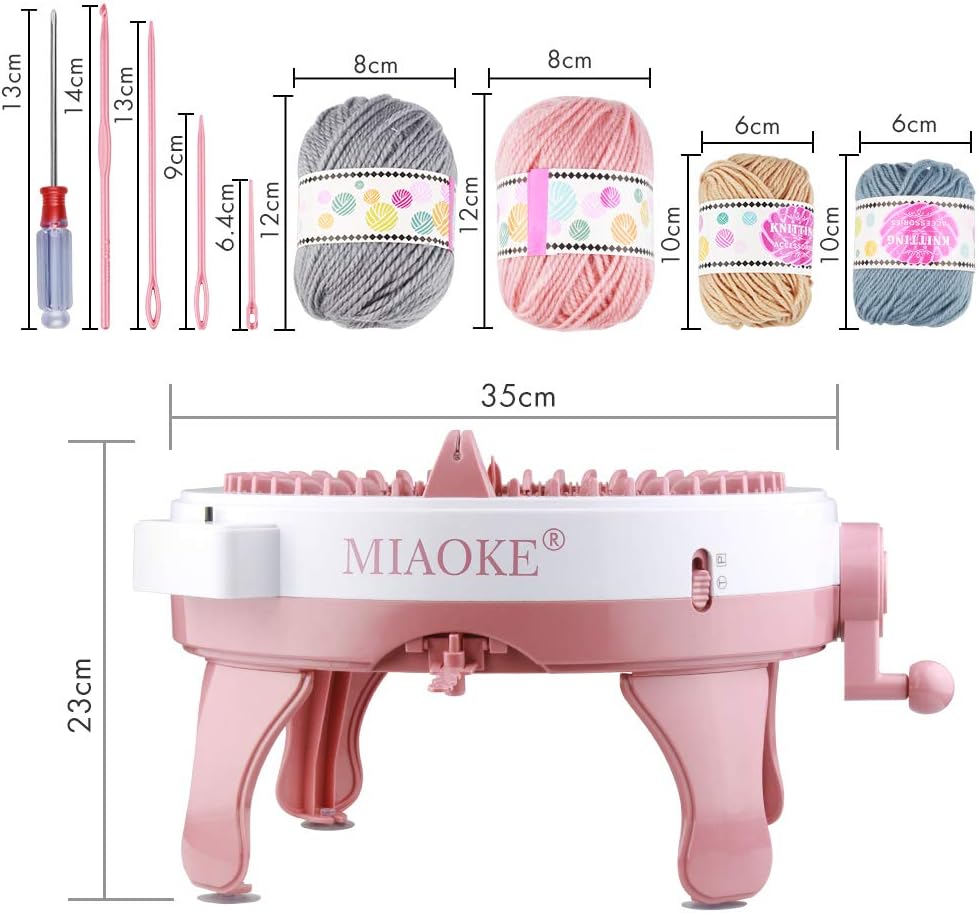
Figure 3: Key components of the knitting machine, including the line recorder for tracking rows, tightness adjuster for yarn tension, line carrier, and the main shaking handle.
- Line Recorder: Tracks the number of rows knitted.
- Tightness Adjuster: Controls the tension of the yarn for consistent stitches.
- Line Carrier: Guides the yarn to the needles.
- Shaking Handle: Used to manually operate the knitting mechanism.
2. Yarn Threading and Casting On
Select Yarn: Choose a yarn suitable for machine knitting. Medium weight yarns generally work best. Avoid overly coarse or slippery yarns that may cause dropped stitches.
Thread Yarn: Guide the yarn through the tension guide and into the line carrier. Ensure the yarn is properly seated.
Casting On (Tubular Knit - T-mode):
- Set the machine to T-mode.
- Turn the handle slowly. As the first needle comes up, hook the yarn onto it.
- Continue turning, alternating between hooking the yarn onto every other needle for the first round.
- For the second round, hook the yarn onto all needles.
- Ensure the yarn is caught by all needles as you turn the handle.
Casting On (Flat Knit - P-mode):
- Set the machine to P-mode.
- Follow similar initial threading steps as T-mode, ensuring the yarn is properly engaged with the needles for flat panel knitting.

Figure 4: Step-by-step visual guide for yarn threading and the initial casting on process.
3. Knitting Operation
Once cast on, continuously turn the shaking handle at a steady pace. The machine will automatically create stitches. Monitor the yarn tension and the needles to prevent dropped stitches.

Figure 5: Illustration of the two weaving modes: T-ring (tubular) for items like hats and P-file (flat) for items such as scarves or blankets.
The machine significantly reduces knitting time compared to hand knitting.
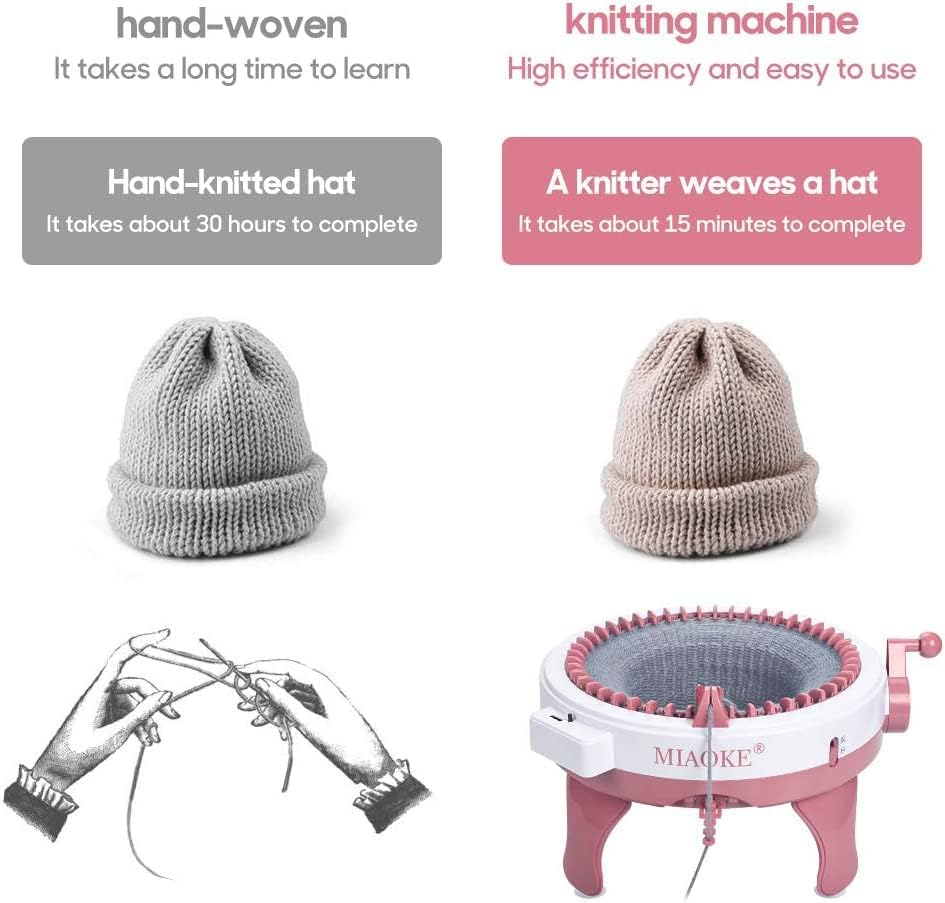
Figure 6: Efficiency comparison between hand-knitting and machine-knitting, highlighting the time savings.
4. Casting Off
Once your desired length is reached, carefully cast off the stitches. This typically involves cutting the yarn, threading it through the live stitches using a tapestry needle, and removing the knitted item from the machine.
Maintenance
Regular maintenance ensures the longevity and optimal performance of your knitting machine.
- Cleaning: After each use, gently remove any lint or yarn fibers from the needles and gears using a soft brush or compressed air.
- Lubrication: Periodically apply a small amount of machine oil to the moving parts, such as the gears and needle tracks, to ensure smooth operation.
- Storage: Store the machine in a clean, dry place away from direct sunlight and extreme temperatures.
Troubleshooting
Here are solutions to common issues you might encounter:
| Problem | Possible Cause | Solution |
|---|---|---|
| Dropped Stitches | Incorrect yarn tension, yarn too coarse/slippery, turning handle too fast/slow, or machine not stable. | Adjust the tightness adjuster. Try a different yarn type. Maintain a steady, consistent cranking speed. Ensure the machine is firmly secured to the surface using the suction cups or clamps. |
| Yarn Not Feeding Smoothly | Yarn tangles, incorrect threading, or friction in the yarn path. | Untangle yarn. Re-thread the yarn carefully, ensuring it passes through all guides. Check for any obstructions. |
| Machine Jams or Stalls | Excessive yarn tension, foreign object, or lack of lubrication. | Reduce yarn tension. Inspect for any foreign objects and remove them. Apply machine oil to moving parts. Do not force the handle. |
| Inconsistent Stitch Quality | Varying yarn tension, inconsistent cranking speed, or unsuitable yarn. | Maintain consistent yarn tension and cranking speed. Experiment with different yarn types to find what works best for the machine. |
Specifications
- Brand: MIAOKE
- Model: 48 Needles
- Color: Pink
- Material: Plastic
- Dimensions (L x W x H): 16.14 x 14.96 x 4.72 inches
- Item Weight: 1 pound
- Number of Needles: 48
- Special Features: Loop counter, Suction cup base for stability
- UPC: 034948449294

Figure 7: Product dimensions and details of included yarn and tools.
Warranty and Support
For warranty information, product registration, or technical support, please refer to the manufacturer's official website or contact their customer service directly. Keep your purchase receipt as proof of purchase.
Manufacturer: MIAOKE


