
1. Introduction
This manual provides essential information for the installation, operation, maintenance, and troubleshooting of your ZDTOPA Crankshaft Position Sensor. A crankshaft position sensor is a vital component in an internal combustion engine management system, monitoring the position and rotational speed of the crankshaft. This data is crucial for the engine control unit (ECU) to determine ignition timing, fuel injection timing, and other engine parameters.
2. Product Overview and Compatibility
The ZDTOPA Crankshaft Position Sensor is designed as a direct replacement for original equipment manufacturer (OEM) parts, ensuring compatibility and reliable performance. It is engineered to meet or exceed OEM specifications.
Key Features:
- Direct OEM Replacement: Replaces OEM part numbers 591879, 0K2A618891, PC265.
- Enhanced Performance: Designed to restore accurate engine timing and fuel delivery.
- Easy Installation: Engineered for straightforward replacement.
Compatible Vehicle Brands/Models:
This sensor is compatible with various models from the following vehicle manufacturers:
- Ferrari
- KIA RETONA
- Lancia THEMA
- Peugeot
- Volvo
Important Note: Always verify compatibility using your vehicle's year, make, and model, and cross-reference the OEM part number with your existing sensor before purchasing and installing.
3. Setup and Installation
Installation of a crankshaft position sensor typically involves working with engine components. If you are not experienced with automotive repairs, it is highly recommended to seek professional assistance from a qualified mechanic.
General Installation Steps (Consult your vehicle's service manual for specific instructions):
- Safety First: Ensure the vehicle is parked on a level surface, the engine is off and cool, and the parking brake is engaged. Disconnect the negative terminal of the battery to prevent electrical hazards.
- Locate the Sensor: The crankshaft position sensor is typically located near the crankshaft pulley, flywheel, or timing cover. Refer to your vehicle's service manual for the exact location.
- Disconnect Electrical Connector: Carefully disconnect the electrical connector from the old sensor.
- Remove Old Sensor: Unscrew the retaining bolt(s) holding the sensor in place and carefully remove the old sensor. Note its orientation.
- Install New Sensor: Insert the new ZDTOPA sensor into the opening, ensuring it is correctly oriented. Secure it with the retaining bolt(s) to the manufacturer's specified torque.
- Reconnect Electrical Connector: Firmly attach the electrical connector to the new sensor.
- Reconnect Battery: Reconnect the negative battery terminal.
- Test Operation: Start the engine and check for any warning lights or abnormal operation. It may be necessary to clear any stored diagnostic trouble codes (DTCs) using an OBD-II scanner.

Image 1: Top view of the ZDTOPA Crankshaft Position Sensor, showing the sensor body and electrical connector.

Image 2: Side view of the ZDTOPA Crankshaft Position Sensor, highlighting the mounting tab and sensor tip.
4. Operating Principles
The crankshaft position sensor typically operates using a magnetic pickup or Hall effect principle. As the crankshaft rotates, a reluctor wheel (or tone wheel) with teeth or notches passes by the sensor. The sensor detects these variations, generating a signal that represents the crankshaft's rotational speed and exact position. This signal is then sent to the ECU, which uses this information to synchronize various engine functions, including ignition timing, fuel injection, and variable valve timing.
5. Maintenance
Crankshaft position sensors are generally maintenance-free components. However, regular vehicle maintenance practices can help ensure their longevity and proper function:
- Visual Inspection: During routine engine checks, visually inspect the sensor and its wiring for any signs of damage, corrosion, or loose connections.
- Cleanliness: Ensure the area around the sensor is free from excessive dirt, debris, or oil buildup, which could potentially interfere with its operation.
- Wiring Integrity: Check that the sensor's wiring harness is securely routed and not chafing against other engine components.
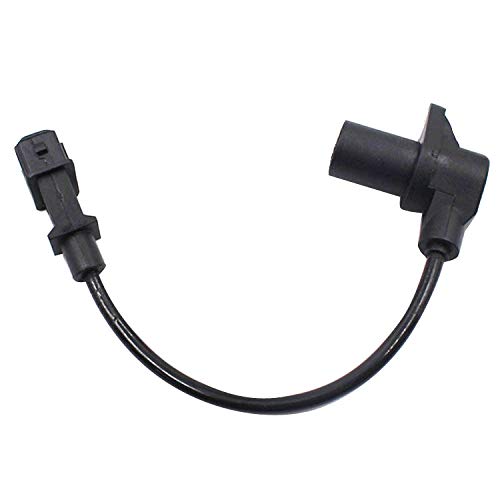
Image 3: Angled view of the ZDTOPA Crankshaft Position Sensor, showing the cable and connector.
6. Troubleshooting
A faulty crankshaft position sensor can lead to various engine performance issues. Common symptoms include:
- Engine Cranks but Won't Start: If the ECU doesn't receive a signal from the sensor, it cannot determine when to fire the spark plugs or inject fuel.
- Intermittent Stalling: The engine may suddenly lose power or stall while driving.
- Rough Idling or Misfires: Incorrect timing information can cause the engine to run unevenly.
- Check Engine Light (CEL): The ECU will typically illuminate the CEL and store a diagnostic trouble code (DTC) related to the crankshaft position sensor circuit.
- Reduced Fuel Economy: Inaccurate timing can lead to inefficient combustion.
If you experience any of these symptoms, it is recommended to have your vehicle diagnosed by a professional using an OBD-II scanner to confirm the sensor's fault before replacement.

Image 4: Close-up view of the electrical connector on the ZDTOPA Crankshaft Position Sensor.
7. Specifications
| Specification | Value |
|---|---|
| Brand | ZDTOPA |
| Item Model Number | 591879 0K2A618891 PC265 |
| Replaces OEM Part Numbers | 591879, 0K2A618891, PC265 |
| Item Weight | 0.5 Kilograms (1.1 Pounds) |
| Manufacturer | ZDTOPA |
| ASIN | B07WRY2PC9 |
| Date First Available | August 22, 2019 |

Image 5: Another angled view of the ZDTOPA Crankshaft Position Sensor, showing the sensor body and cable.
8. Warranty and Support
For specific warranty information or technical support regarding your ZDTOPA Crankshaft Position Sensor, please contact the manufacturer directly or visit the official ZDTOPA store. You can find more information and contact options at the ZDTOPA Store on Amazon.