
1. Introduction to the McMurdo Fastfind 220 PLB
The McMurdo Fastfind 220 is a robust, waterproof Personal Locator Beacon (PLB) designed for emergency assistance. This compact device is easily carried in a backpack or pocket. In an emergency, the integrated GPS and Galileo GNSS receivers quickly determine your position within meters. It then transmits a powerful 406 MHz signal to orbiting emergency satellites, along with a 121.5 MHz homing signal for local recovery teams. The Fastfind 220 has been tested in the world's most remote locations and under severe conditions to ensure reliability.
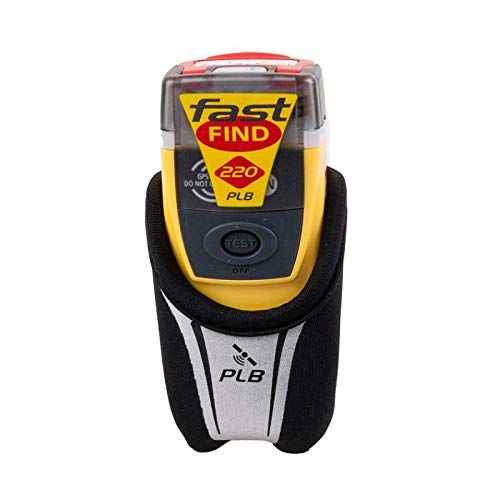
Figure 1: Front view of the McMurdo Fastfind 220 PLB.
2. Key Features
- Advanced GNSS Receiver: Updated for 2019, the Fastfind 220 includes a GNSS receiver with dual GPS (USA) and Galileo (Europe) satellite capabilities for accelerated position detection.
- Global Emergency Transmission: Transmits a 406 MHz signal to global emergency services via orbiting satellites.
- Local Homing Signal: Emits a 121.5 MHz homing signal to aid local search and rescue teams in pinpointing your exact location.
- Strobe Light: Features a high-luminosity strobe light that flashes an SOS Morse code, enhancing visibility in low-light conditions.
- Waterproof Design: The unit is waterproof, ensuring functionality in marine and wet environments.
- Floating Pouch Included: Comes with a floating pouch to prevent loss in water.
3. What's in the Box
Upon unpacking your McMurdo Fastfind 220, please ensure all components are present:
- McMurdo Fastfind 220 Personal Locator Beacon (Waterproof GPS device)
- Floating Pouch

Figure 2: McMurdo Fastfind 220 PLB with its packaging and included floating pouch/lanyard.
4. Setup and Registration
Before using your Fastfind 220 PLB, it is crucial to complete the following steps:
- Registration: Registration of your Personal Locator Beacon is legally required in most countries. This process links your device's unique ID to your personal contact information and emergency contacts. This information is vital for rescue teams to identify you and obtain details about your travel plans when the beacon is activated. Please refer to the included registration documentation or the manufacturer's website for specific instructions on how to register your device in your region.
- Battery Installation/Check: The product specifications indicate that batteries are not included. Please ensure appropriate batteries are installed according to the full product manual before use. If batteries are pre-installed, check their expiry date.
- Familiarization: Become familiar with the device's controls, particularly the ON/OFF button and the antenna deployment mechanism.
- Floating Pouch: Always keep the PLB in its included floating pouch, especially when near water, to ensure it remains buoyant if dropped.
5. Operating Instructions
WARNING: This PLB is to be used only in grave and imminent danger. False alarms endanger lives and incur costly disruptions to search and rescue services. Intentional misuse of the device may lead to criminal penalties.
5.1. Activation in an Emergency
To activate the McMurdo Fastfind 220 in an emergency:
- Deploy Antenna: Manually install or deploy the antenna.
- Remove Tamper Seals: Disconnect any tamper-evident seals that prevent accidental activation.
- Press ON Button: Press and hold the ON button until the activation indicator confirms the device is transmitting.

Figure 3: Top view showing the activation area and antenna deployment instructions.
Once activated, the PLB will transmit two signals simultaneously:
- 406 MHz Signal: This signal is sent to global emergency satellites. The PLB typically begins transmitting on the 406 MHz frequency within 5 minutes, though this can take up to 45 minutes depending on satellite coverage.
- 121.5 MHz Homing Signal: This secondary signal assists search and rescue teams in localizing your exact position once they are in the vicinity.
5.2. Strobe Light Operation
The integrated strobe light will activate upon emergency transmission. It emits a high-luminosity flash, including an SOS Morse code sequence, to enhance visual detection by rescue personnel, especially during night-time or low-visibility conditions.
5.3. Testing the Device
The device features a 'TEST' button. Refer to the full product manual for instructions on how to perform a self-test to ensure the beacon is functioning correctly without initiating a false alarm. Regular testing is recommended to verify operational readiness.
6. Maintenance
Proper maintenance ensures the longevity and reliability of your Fastfind 220 PLB:
- Cleaning: Clean the device with a soft, damp cloth. Do not use harsh chemicals or abrasive cleaners. Ensure the device is dry before storage.
- Inspection: Regularly inspect the PLB for any signs of physical damage, cracks, or corrosion. Check the antenna for bends or breaks.
- Battery Life: The internal battery has a limited lifespan. Consult the full product manual for information on battery expiry dates and replacement procedures. Ensure the battery is replaced by an authorized service center when due.
- Storage: Store the PLB in a cool, dry place, away from direct sunlight and extreme temperatures.
7. Troubleshooting
If your Fastfind 220 PLB does not appear to be functioning correctly, consider the following:
- Device Not Activating:
- Ensure the ON button is pressed firmly and held for the required duration.
- Verify that tamper seals have been removed and the antenna is properly deployed.
- Check the battery status. If the battery is expired or low, the device may not activate.
- No Signal Transmission:
- Ensure the device has a clear view of the sky for satellite acquisition. Obstructions can block the signal.
- Allow sufficient time for satellite acquisition (up to 45 minutes in some conditions).
- Perform a self-test (refer to the full manual) to confirm internal functionality.
- Physical Damage: If the device has sustained physical damage, it may compromise its waterproof integrity or internal electronics. Do not attempt to repair it yourself; contact an authorized service center.
For persistent issues, refer to the comprehensive troubleshooting guide in the full product manual or contact McMurdo customer support.
8. Specifications
| Feature | Detail |
|---|---|
| Brand | McMurdo |
| Model | Fastfind 220 |
| Additional Features | GPS, Galileo GNSS |
| Included Components | Waterproof GPS device, Floating Pouch |
| Audio Output Mode | Digital |
| Batteries Included | No (Requires user-supplied batteries; consult full manual for type and installation) |
| Connectivity Technology | Satellite |
| Human Interface Input | Buttons |
| Vehicle Service Type | Automobile (Note: PLBs are for personal use in various environments, not limited to vehicles) |
| Map Type | Satellite, Worldwide |
9. Warranty and Support
For detailed information regarding the product warranty, please refer to the documentation included with your McMurdo Fastfind 220 PLB or visit the official McMurdo website. Warranty terms and conditions may vary by region.
For technical support, service, or battery replacement, please contact McMurdo customer service or an authorized service center. Do not attempt to open or repair the device yourself, as this may void the warranty and compromise its waterproof integrity and functionality.
Manufacturer: McMurdo