
1. Introduction
This manual provides instructions for the Trefl Charming Paris 1500 Piece Jigsaw Puzzle. This puzzle is designed to offer an engaging and relaxing experience for adults and children aged 10 years and older. The completed puzzle forms a vibrant image measuring approximately 33.46 inches by 22.83 inches.
Trefl puzzles are crafted from high-quality, environmentally friendly materials, featuring paper that reduces light reflection for a better visual experience. Engaging with jigsaw puzzles helps develop memory, manual skills, concentration, patience, and perceptiveness.
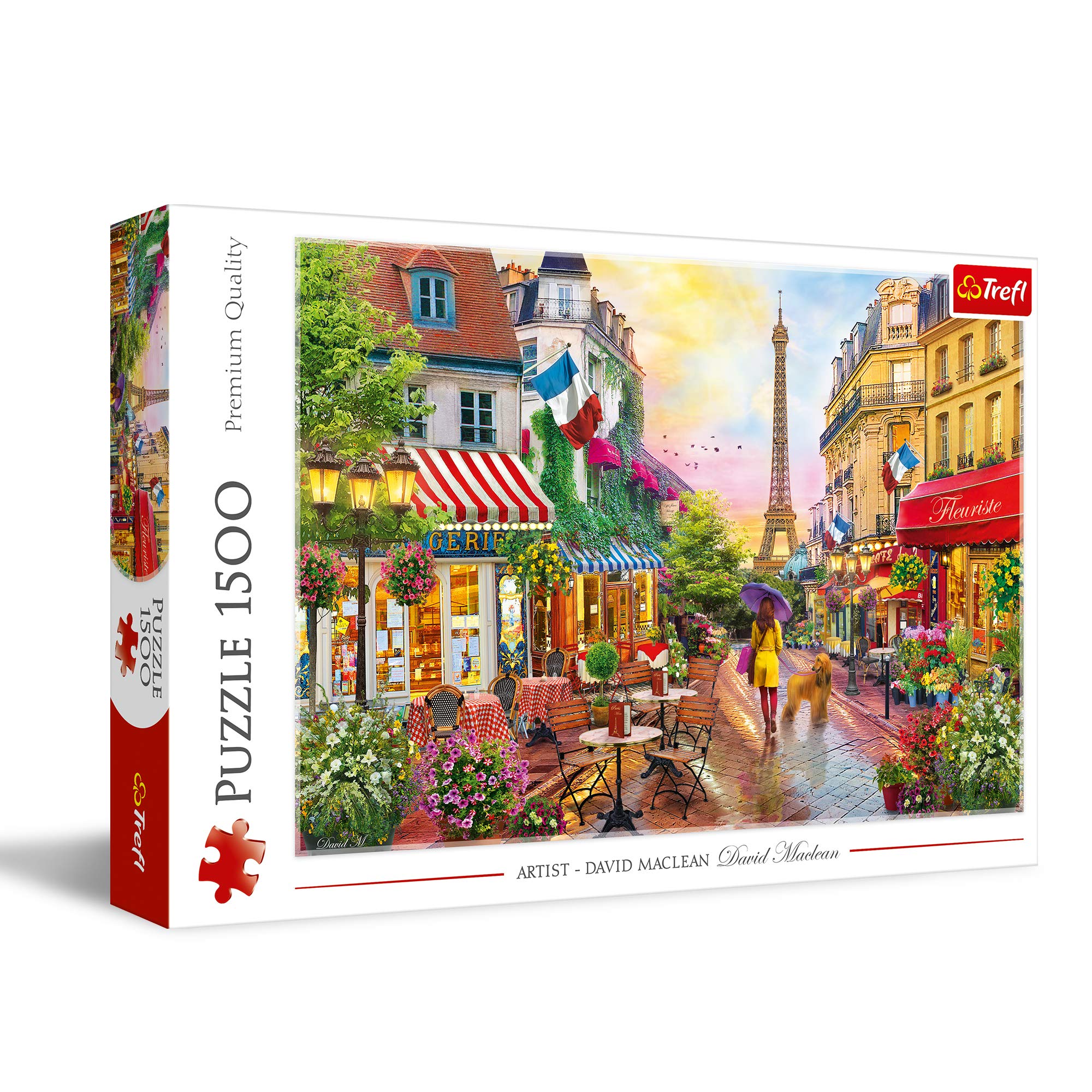
Image 1.1: The completed Trefl Charming Paris 1500 Piece Jigsaw Puzzle.
2. Safety Information
WARNING: Not suitable for children under three years. There is a risk of choking on small parts.
Always supervise young children when they are near puzzle pieces to prevent accidental ingestion.
3. What's in the Box
Your Trefl Charming Paris 1500 Piece Jigsaw Puzzle package contains:
- 1500 unique cardboard puzzle pieces, forming the Charming Paris image.
4. Setup
- Choose a Suitable Workspace: Select a flat, clean, and adequately sized surface (at least 34 inches x 23 inches) where the puzzle can remain undisturbed during assembly.
- Unpack the Pieces: Carefully open the puzzle box and empty all 1500 pieces onto your workspace.
- Sort the Pieces: Begin by separating all edge pieces (those with at least one straight side) from the interior pieces. This forms the frame of your puzzle.
- Initial Color/Pattern Sorting: Further sort the remaining interior pieces by color, pattern, or distinct features. This will make it easier to locate specific pieces during assembly.

Image 4.1: Benefits of engaging with jigsaw puzzles.
5. Operating Instructions (Assembly)
Follow these steps to assemble your Trefl Charming Paris puzzle:
- Assemble the Frame: Connect all the sorted edge pieces to form the outer border of the puzzle. This provides a clear boundary and a starting point.
- Work by Sections: Using your pre-sorted piles, begin assembling distinct sections of the image. Focus on areas with unique colors, patterns, or recognizable objects (e.g., the Eiffel Tower, buildings, flowers).
- Match Shapes and Colors: Pay close attention to both the color and pattern on the pieces, as well as their unique interlocking shapes. Each piece is designed to fit only one specific spot.
- Utilize the Reference Image: Refer frequently to the image on the puzzle box lid to guide your assembly. This helps in visualizing the final picture and identifying where pieces belong.
- Patience is Key: Jigsaw puzzles require patience. If you get stuck, take a break or try working on a different section. Sometimes a fresh perspective helps.

Image 5.1: High-quality puzzle pieces with a matte finish.
Helpful Video Guide:
For additional tips on puzzle assembly, watch this guide:
Video 5.1: A guide to assembling Trefl puzzles, offering strategies for sorting and connecting pieces.
6. Maintenance
Proper care ensures the longevity of your puzzle:
- Storage: When not in use, store the puzzle pieces in their original box in a dry place, away from direct sunlight and extreme temperatures.
- Cleaning: If pieces become dusty, gently wipe them with a dry, soft cloth. Avoid using water or cleaning solutions, as these can damage the cardboard.
- Gluing (Optional): After completing the puzzle, you may choose to glue it together for display. Special puzzle glue (available separately from Trefl) can be applied to the front surface to permanently bond the pieces. Once glued, the puzzle can be mounted on cardboard and hung on a wall.

Image 6.1: Example of a finished puzzle displayed as wall art.

Image 6.2: Optional accessories like puzzle sorters and glue can enhance the puzzling experience.
7. Troubleshooting
- Missing Pieces: Carefully check the puzzle box, packaging, and your workspace. Sometimes pieces can stick together or get overlooked. If a piece is genuinely missing, contact Trefl customer support (see Section 9).
- Difficulty Finding Pieces: Re-sort your pieces by color, shape, or specific details. Focus on smaller sections of the image. Taking a break and returning with fresh eyes can also be helpful.
- Pieces Don't Fit: Ensure you are trying to connect pieces that belong together. While some pieces may seem similar, each has a unique fit. Do not force pieces together, as this can damage them.
8. Specifications
| Brand Name | Trefl |
| Model Number | 26156 |
| Number of Pieces | 1500 |
| Item Dimensions (L x W) | 33.46" x 22.83" (85 cm x 58 cm) |
| Material Type | Cardboard |
| Age Range | Adults and children from 10 years old |
| Puzzle Type | Jigsaw |
| Theme | Charming Paris |
| Educational Objective | Concentration Skill, Dexterity |

Image 8.1: Key features of Trefl jigsaw puzzles.
9. Warranty and Support
Specific warranty information for this product is not provided in the available data. For any product-related inquiries, missing pieces, or support needs, please contact Trefl USA directly through their official channels or the retailer where the product was purchased.
You can visit the Trefl Store on Amazon for more information and contact options.
