Introduction
This manual provides essential information for the safe and effective operation, maintenance, and troubleshooting of your Strongway Heavy-Duty Manual Lever Chain Hoist. Please read and understand all instructions before using the hoist. Proper use ensures safety and extends the life of the equipment.
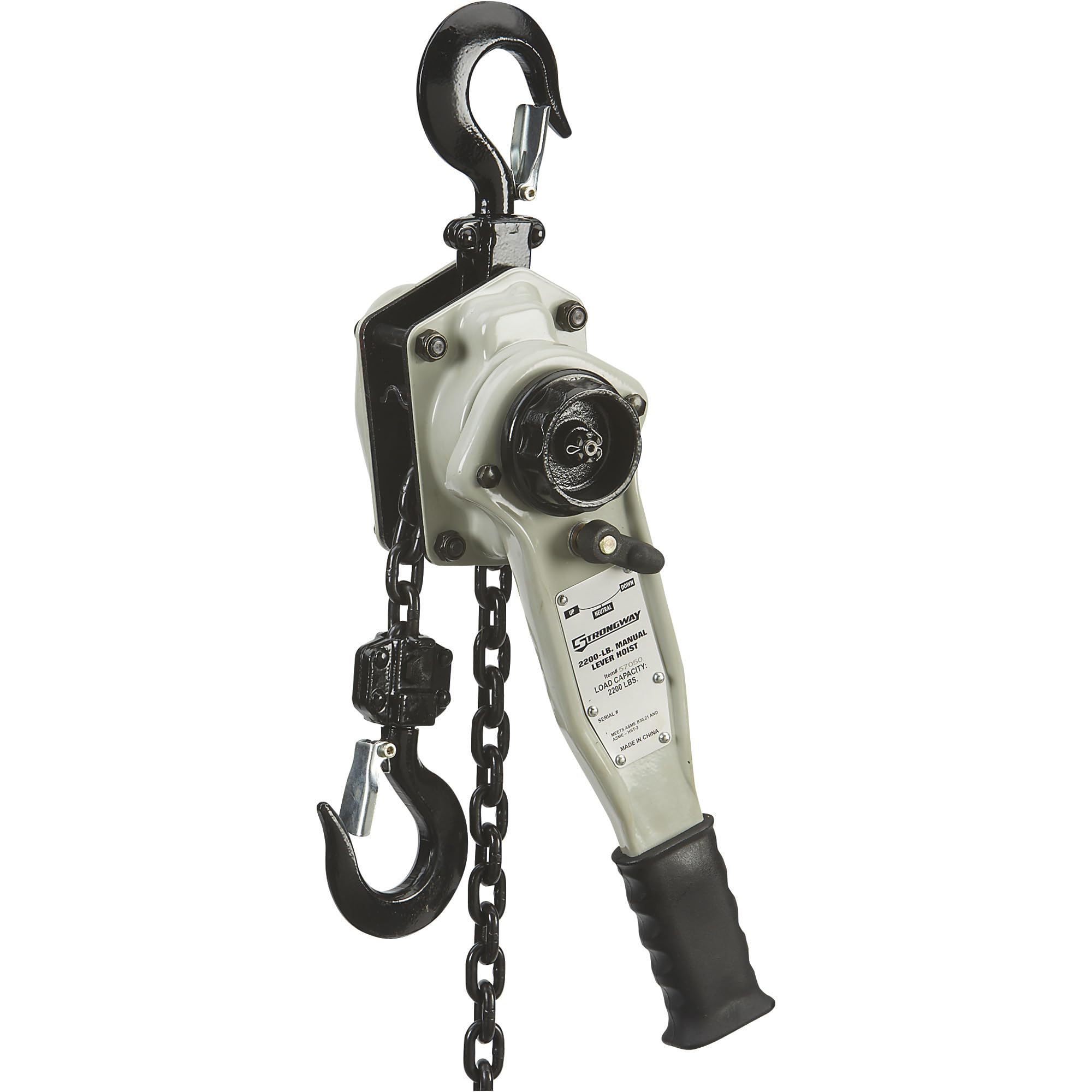
Figure 1: Strongway Heavy-Duty Manual Lever Chain Hoist.
Safety Information
Always prioritize safety when operating lifting equipment. Failure to follow these safety guidelines can result in serious injury or property damage.
- Capacity Limits: Never exceed the rated capacity of 2200 lbs (1000 kg). Overloading can cause hoist failure.
- Inspection: Before each use, inspect the hoist, load chain, and hooks for any signs of wear, damage, or deformation. Do not use if any defects are found.
- Load Security: Ensure the load is properly secured and balanced before lifting. The load hook must be fully engaged with the load.
- Hook Safety Latches: Always ensure hook safety latches are functional and properly closed. Ductile drop-forged hooks are designed to show noticeable opening if subjected to excessive overload, indicating a need for replacement.
- Operating Environment: Use the hoist in a clear area, free from obstructions. Keep hands and body clear of the load and moving parts.
- Standards Compliance: This hoist meets ASME B30.21/HST-3 safety standards and has a safety coefficient of at least 4:1.
- Chain Management: Ensure the load chain is free of twists, kinks, or knots before and during operation.
- Personnel: Only trained and authorized personnel should operate the hoist.
Product Components
Familiarize yourself with the main components of your lever chain hoist:
- Upper Hook: Used for attaching the hoist to a secure anchor point.
- Lever Handle: Used to operate the lifting and lowering mechanism.
- Control Lever/Selector: Switches between UP, NEUTRAL, and DOWN modes.
- Hoist Body/Gear Case: Houses the internal lifting mechanism and brake system.
- Load Chain: Grade 80 chain that supports and moves the load.
- Lower Hook: Used for attaching to the load.

Figure 2: Front view of the hoist, highlighting the upper hook, lever handle, and lower hook.

Figure 3: Detailed view of the lower hook, showing the safety latch mechanism.
Setup
Proper setup is crucial for safe and efficient operation.
- Secure Anchor Point: Attach the upper hook of the hoist to a structural member or trolley that is rated to safely support the hoist's weight plus the maximum intended load. Ensure the anchor point is stable and secure.
- Hoist Orientation: Ensure the hoist hangs vertically and the load chain is free to move without obstruction.
- Chain Inspection: Pull the load chain through the hoist to ensure it moves freely and is not twisted or kinked.
- Test Operation: Before attaching a load, perform a few cycles of lifting and lowering with no load to confirm smooth operation of the lever and chain.
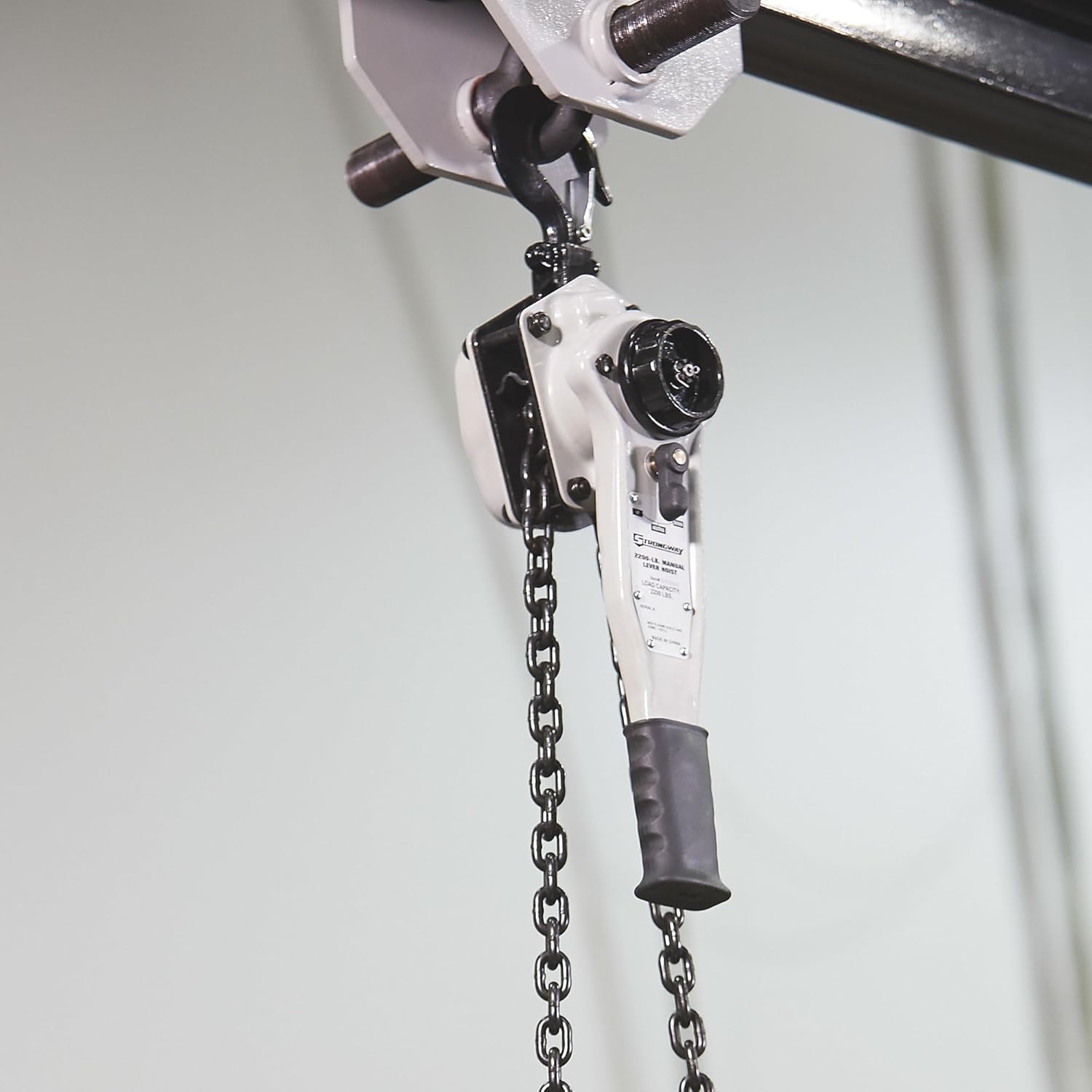
Figure 4: Hoist properly suspended from an overhead support structure.
Operating Instructions
Follow these steps for safe lifting and lowering operations.
Lifting a Load
- Attach Load: Securely attach the lower hook to the load. Ensure the safety latch is closed.
- Select UP Mode: Move the control lever to the "UP" position.
- Operate Lever: Pump the lever handle up and down to lift the load. Each stroke will raise the load incrementally. Maintain a steady, controlled motion.
- Monitor Load: Continuously observe the load and hoist for any signs of instability or strain.
Lowering a Load
- Select DOWN Mode: Move the control lever to the "DOWN" position.
- Operate Lever: Pump the lever handle up and down to lower the load. The speed of lowering is controlled by the rate of pumping.
- Controlled Descent: Lower the load slowly and steadily to its desired position.
Free Chaining (No Load)
To quickly adjust the chain length without a load:
- Select NEUTRAL Mode: Move the control lever to the "NEUTRAL" position.
- Adjust Chain: Manually pull the load chain to the desired length. This mode disengages the brake, so ensure there is absolutely no load on the hook.
- Re-engage: Return the control lever to "UP" or "DOWN" before applying any load.
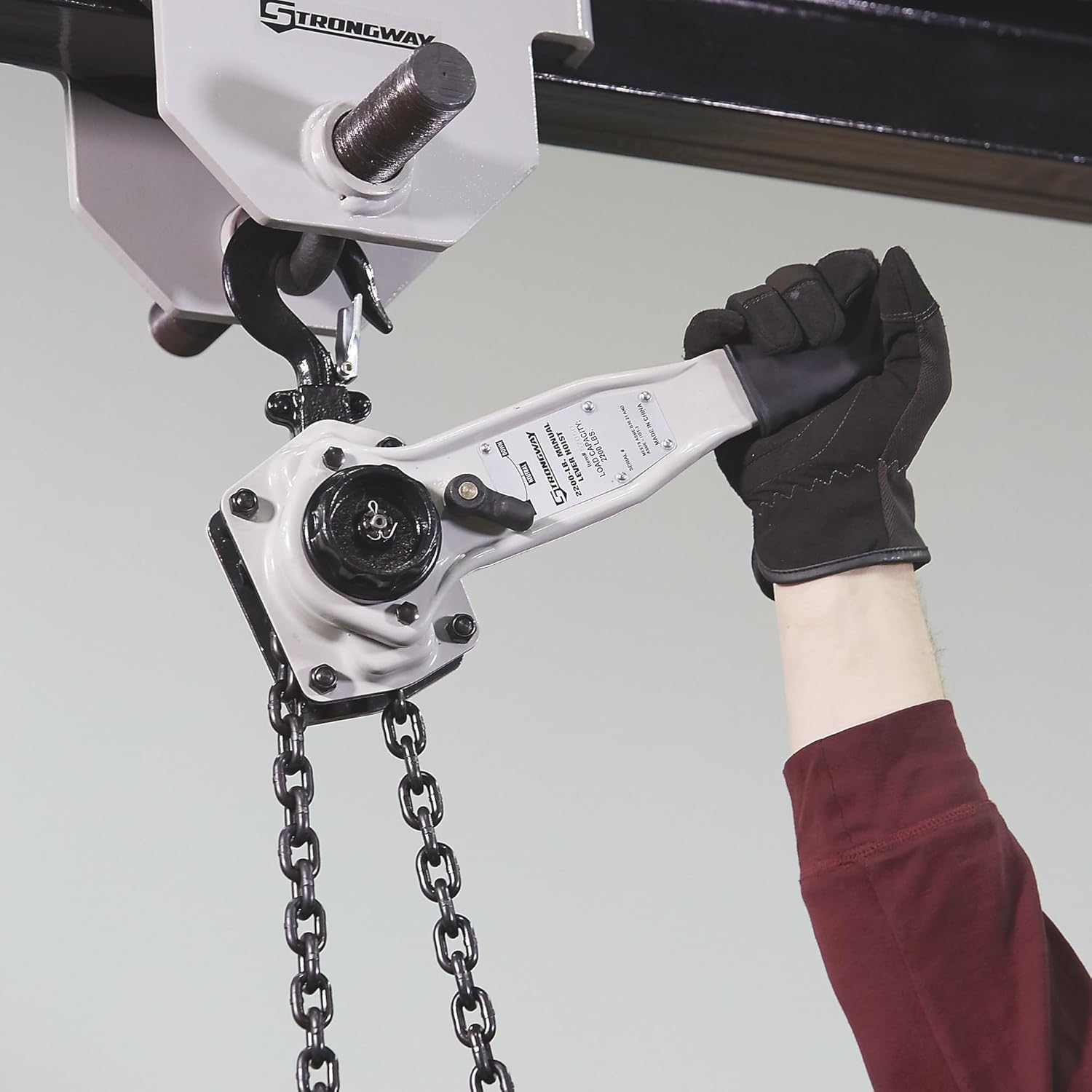
Figure 5: Operating the lever handle to lift or lower a load.

Figure 6: Control lever showing UP, NEUTRAL, and DOWN positions for operation.
Maintenance
Regular maintenance ensures the longevity and safe operation of your hoist.
- Lubrication: Periodically lubricate the load chain and internal mechanisms with lithium grease or a similar high-quality lubricant. Refer to the manufacturer's recommendations for specific lubrication points and frequency.
- Chain Inspection: Regularly inspect the entire length of the load chain for wear, corrosion, nicks, gouges, or stretched links. Replace the chain if any damage is found.
- Hook Inspection: Check both upper and lower hooks for deformation, cracks, or excessive wear, especially at the throat opening. Ensure safety latches operate freely and fully close.
- Brake System: The heat-treated double pawl, 3-piece disc brake system is designed for reliability. If the brake feels less responsive, have it inspected by a qualified technician.
- Cleaning: Keep the hoist clean and free from dirt, debris, and corrosive materials.
- Storage: Store the hoist in a dry, clean environment when not in use.
Troubleshooting
This section addresses common issues you might encounter with your hoist.
| Problem | Possible Cause | Solution |
|---|---|---|
| Hoist will not lift/lower | Control lever in NEUTRAL; Overload; Damaged mechanism | Set lever to UP/DOWN; Reduce load; Inspect for damage, contact service |
| Chain jams or binds | Twisted chain; Debris in mechanism; Damaged chain | Untwist chain; Clean mechanism; Replace chain if damaged |
| Load slips or drifts | Worn brake components; Overload | Do not use; Contact qualified service for brake inspection/repair; Ensure load is within capacity |
| Excessive effort to operate lever | Lack of lubrication; Overload; Internal friction | Lubricate moving parts; Reduce load; Inspect for internal issues |
If you encounter problems not listed here or if solutions do not resolve the issue, discontinue use immediately and contact Strongway customer support or a qualified service technician.
Specifications
| Feature | Specification |
|---|---|
| Model Number | 3393621 |
| Capacity | 2200 lbs (1000 kg) |
| Lift Height | 15 ft. |
| Load Chain Grade | Grade 80 |
| Brake System | Heat-treated double pawl, 3-piece disc brake |
| Safety Standards | Meets ASME B30.21/HST-3 |
| Safety Coefficient | At least 4:1 |
| Approximate Item Weight | 20 lbs |
| Package Dimensions | 16 x 8 x 6 inches |
Warranty and Support
For warranty information or technical support, please refer to the documentation included with your purchase or visit the official Strongway website. Keep your purchase receipt for warranty claims.


