
KMINA K10065
KMINA Forearm Crutches User Manual
Model: K10065
Introduction
Thank you for choosing KMINA Forearm Crutches. These crutches are designed to provide stable and comfortable support for adults during convalescence and injury rehabilitation. Made from durable aluminum, they feature adjustable height settings, comfortable handle pads, and wide, flexible tips for enhanced safety and adherence. Please read this manual carefully before use to ensure proper setup and operation.
1. Setup and Adjustment
Proper adjustment of your KMINA forearm crutches is crucial for comfort and stability. Follow these steps to set them up correctly:
1.1 Unboxing and Initial Inspection
Carefully remove the crutches from their packaging. Inspect both crutches for any signs of damage or missing parts. Ensure all components, including the handle pads and rubber tips, are securely attached.

Figure 1: KMINA Forearm Crutches (Pair)
1.2 Adjusting Crutch Height
The crutches feature 11 height adjustment settings to accommodate various user heights. To adjust the height:
- Locate the adjustment clip on the lower shaft of the crutch.
- Press the metal pin on the clip with your thumbs to release it from the current height hole.
- Slide the lower shaft up or down to the desired height. Ensure the metal pin clicks securely into one of the adjustment holes.
- Repeat for the second crutch, ensuring both are set to the same height.

Figure 2: Height Adjustment Mechanism
Proper Height Positioning: When standing upright with the crutches, the top of the forearm cuff should be approximately 1-2 inches below your elbow, and your hand should comfortably grip the handle with a slight bend in your elbow (about 15-30 degrees).
Video 1: KMINA Forearm Crutches Features and Adjustment. This video demonstrates the key features of the crutches, including the comfortable handle pads, stable tips, and the process for adjusting the crutch height.
2. Operating Instructions
Using your KMINA forearm crutches effectively requires proper technique to ensure safety and support.
2.1 Walking with Crutches
Always consult with a healthcare professional or physical therapist for personalized guidance on crutch walking techniques. General guidelines include:
- Maintain Balance: Keep your weight evenly distributed between your crutches and your unaffected leg.
- Forward Movement: Move both crutches forward a comfortable distance, then step forward with your unaffected leg, bringing it between the crutches.
- Affected Leg: If you are non-weight bearing on one leg, keep it off the ground. If partial weight bearing is allowed, gently place your affected foot down as instructed by your therapist.
- Posture: Stand tall, looking forward, not down at your feet.

Figure 3: Proper Crutch Usage Posture

Figure 4: Demonstrating Walking with Crutches
2.2 Handle Pads and Tips
The crutches are equipped with comfortable and hygienic handle pads that reduce pain in hands and wrists. The wide, flexible 3.5-inch rubber tips provide excellent adherence to the ground, enhancing safety and stability.

Figure 5: Ergonomic Handle Pad and Open Cuff

Figure 6: Stable and Flexible Crutch Tip
3. Maintenance
Regular maintenance will prolong the life of your KMINA crutches and ensure continued safe operation.
3.1 Cleaning
- Frame: Wipe the aluminum frame with a damp cloth and mild soap. Dry thoroughly.
- Handle Pads: The neoprene crutch pads with internal silicone are washable and interchangeable. Remove them from the handles and wash by hand with mild soap and water, or as per specific care instructions on the pad. Allow to air dry completely before reattaching.
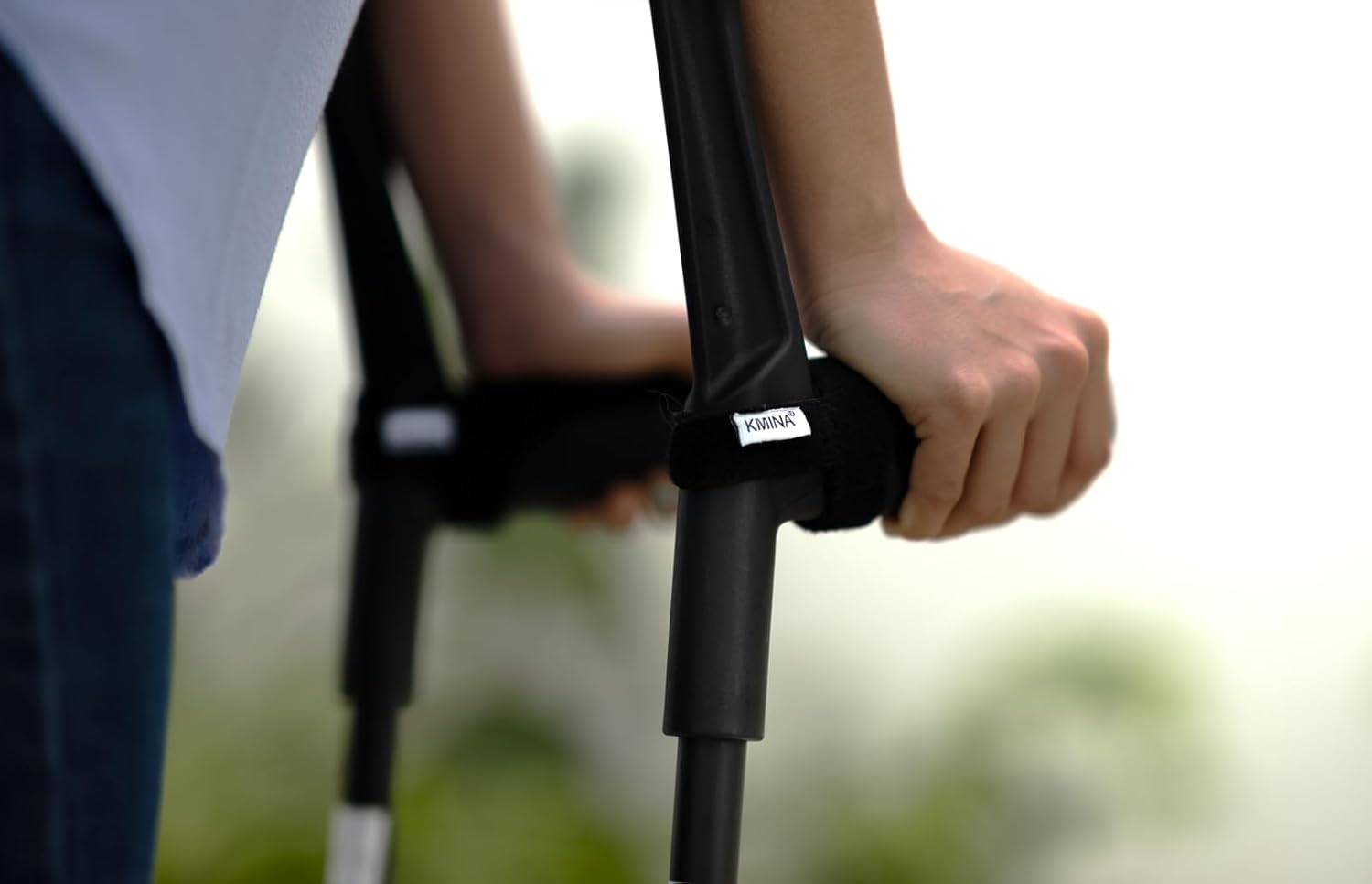
Figure 7: Removable and Washable Handle Pad
3.2 Inspection
- Rubber Tips: Regularly check the rubber tips for wear and tear. Worn tips can reduce stability and increase the risk of slipping. Replace them if they show signs of significant wear or cracking.
- Adjustment Pins: Ensure the height adjustment pins are fully engaged and secure in their holes after any adjustment.
- General Condition: Periodically check all parts for looseness, cracks, or damage. Do not use the crutches if any part is damaged or appears unstable.
4. Troubleshooting
If you encounter issues with your KMINA forearm crutches, consider the following common solutions:
| Problem | Possible Cause | Solution |
|---|---|---|
| Crutches feel unstable or wobbly. | Incorrect height adjustment; loose adjustment pin; worn rubber tips. | Re-adjust height ensuring pins are fully engaged. Check and replace worn rubber tips. |
| Discomfort in hands or wrists. | Incorrect handle height; worn or improperly positioned handle pads. | Ensure handle height allows for a slight elbow bend. Adjust or replace handle pads. |
| Crutches slip on smooth surfaces. | Worn or damaged rubber tips; wet floor. | Replace rubber tips immediately. Exercise extreme caution on wet or slippery surfaces. |
If the problem persists or you suspect a manufacturing defect, please contact KMINA customer support.
5. Specifications
| Feature | Detail |
|---|---|
| Brand | KMINA |
| Model Number | K10065 |
| Material | Aluminum |
| Height Adjustments | 11 settings |
| Tip Size | 3.5 inches (diameter) |
| Item Weight | 2.8 Pounds (per pair) |
| Package Dimensions | 37.03 x 3.3 x 3 inches |
| Manufacturer | IMD SL |
6. Warranty and Support
KMINA products are manufactured with high-quality standards. For specific warranty information and customer support, please refer to the documentation included with your purchase or visit the official KMINA website. You can also find a detailed User Manual in PDF format here.
For any inquiries or assistance, please contact KMINA customer service through the retailer where you purchased the product or directly via the manufacturer's contact channels.
Related documentsK10065


Ask a question about this manual
Ask about setup, troubleshooting, compatibility, parts, safety, or missing instructions. Manuals+ will review the question and use this page’s manual context to help answer it.