
HEIMAN HM-723ESY
HEIMAN Carbon Monoxide Detector User Manual
Model: HM-723ESY
1. Introduction
Thank you for choosing the HEIMAN Carbon Monoxide Detector. This manual provides essential information for the proper installation, operation, and maintenance of your device. Please read it thoroughly before use and keep it for future reference. This detector is designed to provide early warning of carbon monoxide (CO) presence, helping to protect you and your family from the dangers of CO poisoning.
2. Product Overview
The HEIMAN Carbon Monoxide Detector is a reliable and advanced device featuring a state-of-the-art sensor and a high-quality chipset for accurate CO detection. It is designed for long-term use with a 10-year sensor lifespan and a 5-year battery life.

Figure 2.1: Front view of the HEIMAN Carbon Monoxide Detector.
Key Features:
- Highly advanced sensor for accurate CO detection.
- 10-year sensor lifespan.
- 5-year battery life with replaceable AA batteries.
- Functional test button for easy testing and alarm reset.
- Loud 85 dB alarm tone.
- Durable, flame-retardant ABS plastic casing.

Figure 2.2: Detailed view of detector features including LED indicators, test button, LCD display, and alarm outlet.

Figure 2.3: Internal structure and components of the detector.
3. Setup and Installation
Proper placement and installation are crucial for the effective operation of your CO detector. Follow these guidelines carefully.
Recommended Placement:
- Install at least one CO detector on each level of your home, including the basement.
- Place detectors near sleeping areas and in rooms where fuel-burning appliances are located.
- For wall mounting, the detector should be installed at least 1.5 meters (5 feet) from the floor, but not directly above fuel-burning appliances.
- For ceiling mounting, place the detector in the center of the room.
Areas to Avoid:
- Do not install in garages, kitchens, or furnace rooms where high levels of CO may be present during normal operation, leading to nuisance alarms.
- Avoid placing near vents, windows, or doors where drafts could affect readings.
- Do not install in extremely dusty, dirty, or greasy areas.
Installation Steps:
- Unpack the detector and check for any damage.
- Insert the two AA batteries into the battery compartment on the back of the detector. Ensure correct polarity.
- Choose a suitable mounting location (wall or ceiling).
- Mark the positions for drilling using the mounting bracket as a template.
- Drill holes and insert the provided wall plugs.
- Secure the mounting bracket to the wall/ceiling with the provided screws.
- Attach the detector to the mounting bracket by twisting it clockwise until it locks into place.
- After installation, press the test button to ensure the alarm sounds and the unit is functioning correctly.
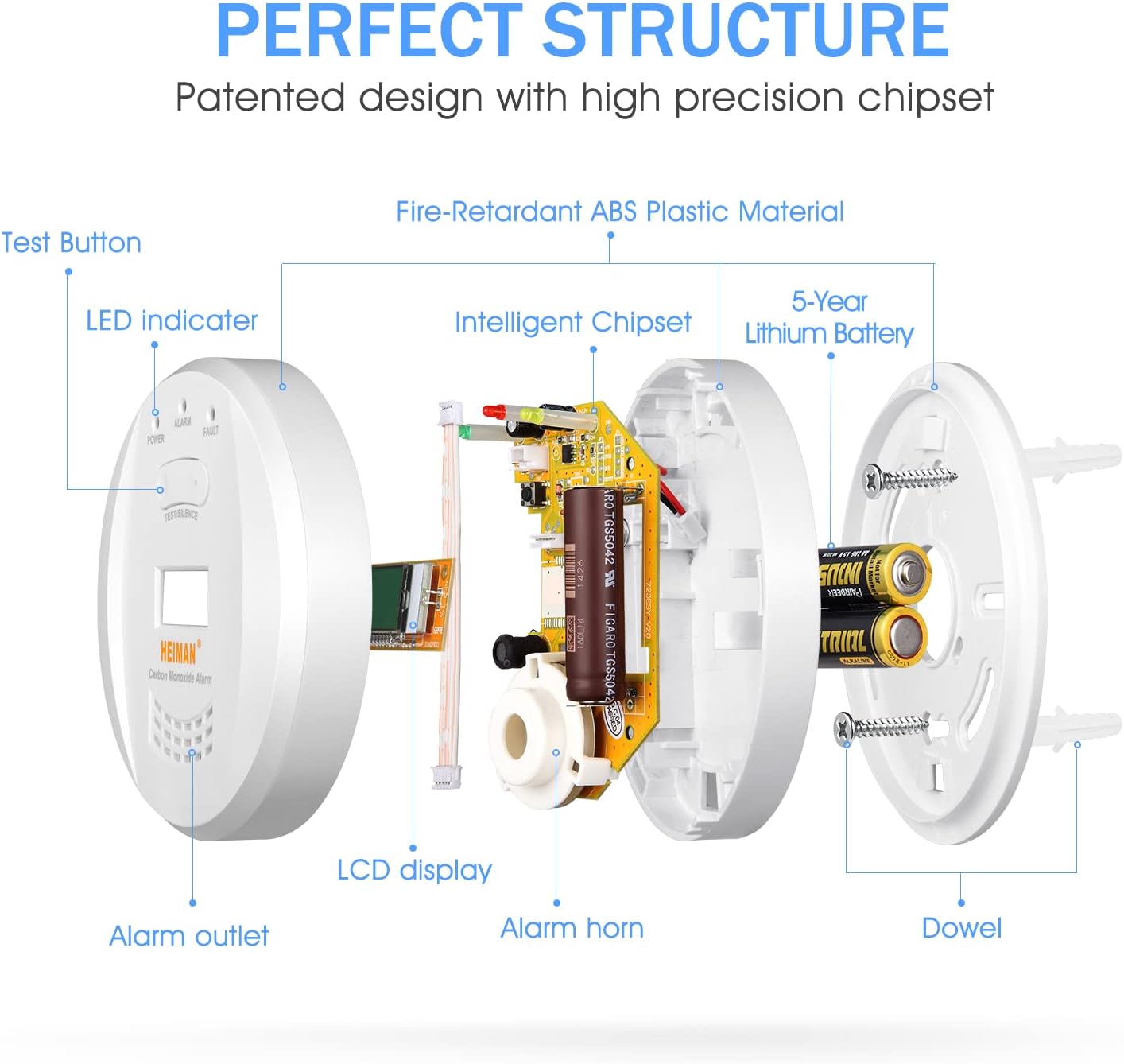
Figure 3.1: Installation dimensions and included accessories.
4. Operating Instructions
Once installed, the HEIMAN CO detector operates continuously. Familiarize yourself with its indicators and functions.
LED Indicators:
- Green (POWER): Flashes periodically to indicate normal operation.
- Red (ALARM): Flashes rapidly and the alarm sounds when CO is detected.
- Yellow (FAULT): Indicates a fault or low battery.
Test Button:
The large button on the front of the detector is the test/hush button. Press and hold this button to:
- Test Function: Verify the alarm sound and LED indicators are working.
- Silence Alarm: Temporarily silence the alarm for a short period (e.g., 5-10 minutes) if it's a nuisance alarm, or to acknowledge a real alarm while you investigate. The alarm will reactivate if CO levels remain high.
Video 4.1: Demonstration of the HEIMAN 723ESY Carbon Monoxide Detector, including its 5-year battery life and the function of the test/hush button.
5. Maintenance
Regular maintenance ensures the continued reliability of your CO detector.
Battery Replacement:
The detector is designed for a 5-year battery life. When the batteries are low, the yellow FAULT LED will flash, and the unit will chirp periodically. Replace both AA batteries immediately. Refer to Figure 2.3 for battery compartment location.
Cleaning:
Dust and debris can affect the sensor's performance. Clean the detector regularly (at least once a month) by gently wiping the exterior with a soft, damp cloth. Do not use cleaning sprays or solvents.
Testing:
Test the detector weekly by pressing the test button. The alarm should sound, and the red ALARM LED should flash. If it does not, refer to the Troubleshooting section.
6. Troubleshooting
| Problem | Possible Cause | Solution |
|---|---|---|
| Alarm sounds continuously or frequently. | High CO levels detected. | Immediately move to fresh air. Call emergency services. Do not re-enter the premises until it has been aired out and CO levels are confirmed safe. |
| Yellow FAULT LED flashes and unit chirps. | Low battery. | Replace both AA batteries. |
| Yellow FAULT LED flashes (no chirp). | Sensor fault or end of life. | The sensor may be faulty or has reached its 10-year end of life. Replace the detector. |
| Detector does not respond to test button. | No power or unit malfunction. | Check batteries. If new batteries don't resolve, the unit may be faulty and needs replacement. |
7. Specifications
| Specification | Value |
|---|---|
| Manufacturer | HEIMAN |
| Part Number | HM-723ESY |
| Product Dimensions | 13 x 5 x 12.5 cm; 245 g (approx. 13D x 13W x 5H cm) |
| Batteries | 2 AA batteries required (included) |
| Item Model Number | HM-723ESY |
| Size | Round |
| Color | White |
| Style | Sensor |
| Material | ABS Plastic |
| Shape | Circular |
| Power Source | Battery |
| Voltage | 3 VDC |
| Number of Items in Package | 1 |
| Sound Level | 85 dB |
| Coverage Area | 20-40 ㎡ |
| Certification | EN50291 |
| Usage | Indoor |
| Included Components | Battery |
| Batteries Included? | Yes |
| Batteries Required? | No (as they are included) |
| Battery Type | Lithium-ion (Note: Product description states AA, this might be a discrepancy in source data) |
| Weight | 245 Grams |
| ASIN | B07NQ5BSDB |
| First Available Date | January 15, 2020 |
| Operating Humidity | ≤ 95% RH non-condensing |
| Upper Temperature Value | 50 Degrees Celsius |
| Sensor Type | Photoelectric |
8. Carbon Monoxide Safety Information
Carbon Monoxide (CO) is a colorless, odorless, and tasteless gas that can be deadly. It is produced by the incomplete burning of carbon-containing fuels such as wood, charcoal, coal, heating oil, paraffin, petrol, natural gas, propane, butane, etc. Common sources include faulty furnaces, gas appliances, fireplaces, and car exhaust.

Figure 8.1: Common sources of Carbon Monoxide.
Symptoms of CO Poisoning:
Symptoms of CO poisoning can be similar to flu symptoms and include headaches, dizziness, nausea, vomiting, and fatigue. Prolonged exposure can lead to unconsciousness, brain damage, and death.

Figure 8.2: Effects of Carbon Monoxide exposure at various concentrations.
What to do if the Alarm Sounds:
- Immediately move to fresh air outdoors or open all doors and windows to ventilate the area.
- Do a head count to check that all persons are accounted for.
- Do not re-enter the premises until the CO source has been identified and corrected, and the area has been thoroughly ventilated.
- Seek medical attention for anyone experiencing symptoms of CO poisoning.
- Call your emergency services or gas supplier to report the CO leak.
9. Warranty and Support
Warranty information for this product was not provided in the available data. Please refer to the product packaging or the manufacturer's official website for details regarding warranty coverage and terms.
For technical support or further assistance, please contact HEIMAN customer service through their official channels. Contact information can typically be found on the product packaging or the HEIMAN website.
Related documentsHM-723ESY


Ask a question about this manual
Ask about setup, troubleshooting, compatibility, parts, safety, or missing instructions. Manuals+ will review the question and use this page’s manual context to help answer it.