
1. Introduction
Thank you for choosing Nautilus Stratus CT Safety Footwear. These shoes are engineered to provide protection and comfort in demanding work environments. This manual provides essential information for the proper use, care, and maintenance of your safety footwear to ensure its longevity and your safety.
2. Safety Information
Your Nautilus Stratus CT footwear is designed with specific safety features. Adhering to these guidelines is crucial for your protection.
- ASTM F2413 Protective Toe Classification: This footwear features a composite toe that meets ASTM F2413 standards for impact and compression resistance. This protects your toes from falling objects and heavy compression.
- ASTM F2413 Electrical Hazard Standard: The sole and heel construction provides a secondary source of protection against live electrical circuits, open circuits, or miswired equipment. This protection is effective under dry conditions and should not be used as a primary source of protection in environments with high voltage or wet conditions.
- Non-Metallic Construction: The non-metallic design ensures that the footwear is suitable for environments with metal detectors, offering convenience without compromising safety.
- Always inspect your footwear for damage before each use. Do not use if the protective features appear compromised.
- Replace footwear immediately if the protective toe cap is exposed or if the shoe has sustained significant damage.
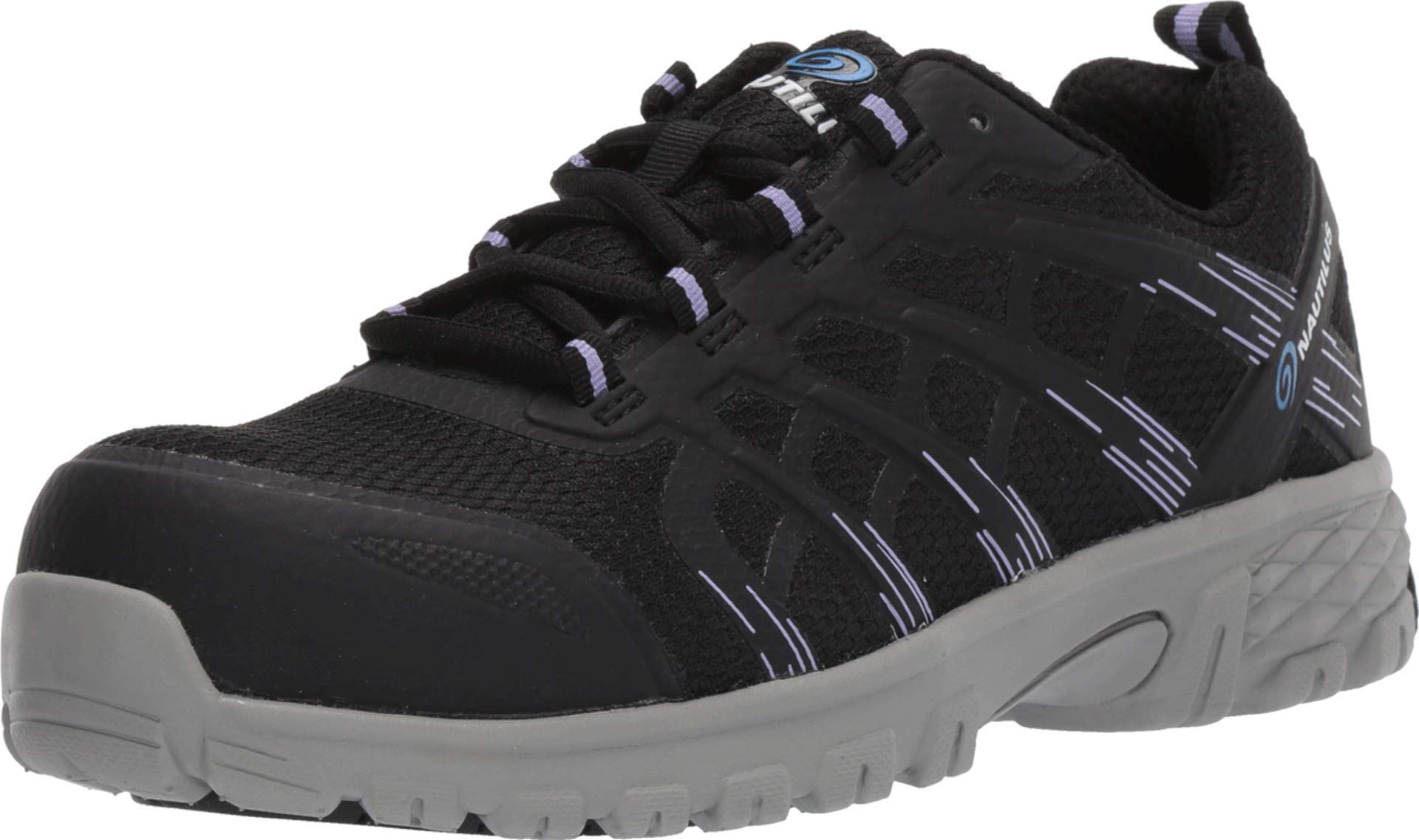
Figure 1: Side view of Nautilus Stratus CT Safety Footwear, highlighting the durable construction and lace-up design.
3. Features
Key features of your Nautilus Stratus CT Safety Footwear include:
- Composite Toe: Lightweight and protective, meeting ASTM F2413 standards.
- Electrical Hazard (EH) Protection: Provides secondary protection against electrical shock.
- Non-Metallic Design: Ideal for security-sensitive environments.
- EVA Midsole: Offers cushioning and shock absorption for enhanced comfort.
- Lace-Up Closure: Ensures a secure and adjustable fit.
- Leather Outer Material: Durable and resistant to wear.
- Rubber Outsole: Provides traction and slip resistance.
4. Setup and Wearing Instructions
Properly wearing your safety footwear ensures maximum comfort and protection.
- Preparation: Ensure your socks are clean and appropriate for work footwear.
- Putting On: Loosen the laces sufficiently to allow your foot to slide in comfortably without forcing.
- Lacing: Once your foot is fully inserted, tighten the laces evenly from the bottom upwards. Ensure the footwear feels snug but not overly tight, allowing for natural foot movement.
- Fit Check: Stand up and walk a few steps. Your toes should not touch the front of the shoe, and your heel should feel secure without excessive slipping.
5. Operating (Usage)
Nautilus Stratus CT footwear is designed for daily use in various industrial and work environments requiring safety protection.
- Wear your safety footwear throughout your entire work shift, especially in areas where hazards are present.
- Ensure laces are always securely tied to prevent tripping hazards and maintain proper foot support.
- Avoid exposing the footwear to extreme temperatures or harsh chemicals that could degrade materials and compromise safety features.
- The Electrical Hazard protection is secondary. Always exercise caution and follow workplace safety protocols when dealing with electrical equipment.
6. Maintenance and Care
Proper care extends the life of your safety footwear and maintains its protective qualities.
- Cleaning:
- For leather surfaces, wipe with a damp cloth to remove dirt and dust. Use a leather cleaner and conditioner periodically to keep the leather supple and prevent cracking.
- Clean the outsole regularly to remove debris that could affect traction.
- Drying: If footwear becomes wet, allow it to air dry naturally at room temperature. Avoid direct heat sources like radiators or direct sunlight, which can damage materials.
- Storage: Store footwear in a cool, dry place away from direct sunlight when not in use.
- Inspection: Regularly inspect laces for wear and replace them if frayed. Check soles for excessive wear or damage that could compromise slip resistance or electrical hazard protection.
7. Troubleshooting
Here are solutions to common issues you might encounter:
- Discomfort/Poor Fit:
- Ensure you are wearing appropriate socks.
- Re-tie laces to adjust tightness.
- Consider using aftermarket insoles for additional arch support or cushioning if needed.
- Squeaking:
- Sometimes new footwear can squeak. This often resolves with wear.
- Check if the insole is properly seated. A small amount of baby powder under the insole can sometimes help.
- Reduced Traction:
- Clean the outsole thoroughly to remove any embedded dirt or debris.
- If the outsole tread is significantly worn, the footwear may need to be replaced to maintain safety standards.
8. Specifications
| Feature | Detail |
|---|---|
| Model Number | N1950 |
| Protective Toe | Composite Toe (ASTM F2413) |
| Electrical Hazard (EH) Protection | Yes (ASTM F2413) |
| Non-Metallic | Yes |
| Outer Material | Leather |
| Sole Material | Faux Leather, Polyurethane, Ethylene Vinyl Acetate, Rubber |
| Midsole | EVA |
| Shaft Height | 3 Inches |
| Closure Type | Lace-Up |
| Department | Womens |
| Approx. Item Weight | 4.5 Pounds (Package Weight) |
9. Warranty and Support
Nautilus is committed to providing high-quality safety footwear. For specific warranty information or support inquiries, please refer to the official Nautilus website or contact their customer service directly. Keep your purchase receipt as proof of purchase.
For further assistance, please visit: www.nautilusfootwear.com