
Cisco AIR-LAP1142N-A-K9
Cisco Aironet AIR-LAP1142N-A-K9 Wireless Access Point User Manual
Model: AIR-LAP1142N-A-K9
1. Introduction
The Cisco Aironet 1142N Access Point is an indoor access point designed for business environments, focusing on simple deployment and energy efficiency. This device supports dual-band 802.11n wireless standards and features integrated antennas. It can also be configured with a single-band 802.11g/n (2.4-GHz) radio for regions where 802.11a (5-GHz) operation is not permitted. A compatible WLAN Controller is required for operation (sold separately).

Figure 1: Front view of the Cisco Aironet AIR-LAP1142N-A-K9 Wireless Access Point.
2. Setup and Installation
The Cisco Aironet 1142N Access Point is designed for straightforward installation. It supports Power over Ethernet (PoE), allowing both power and data to be transmitted over a single Ethernet cable, simplifying deployment, especially in locations without nearby power outlets.
2.1 Unpacking the Device
Carefully remove all components from the packaging. Ensure the access point and the mounting kit are present.
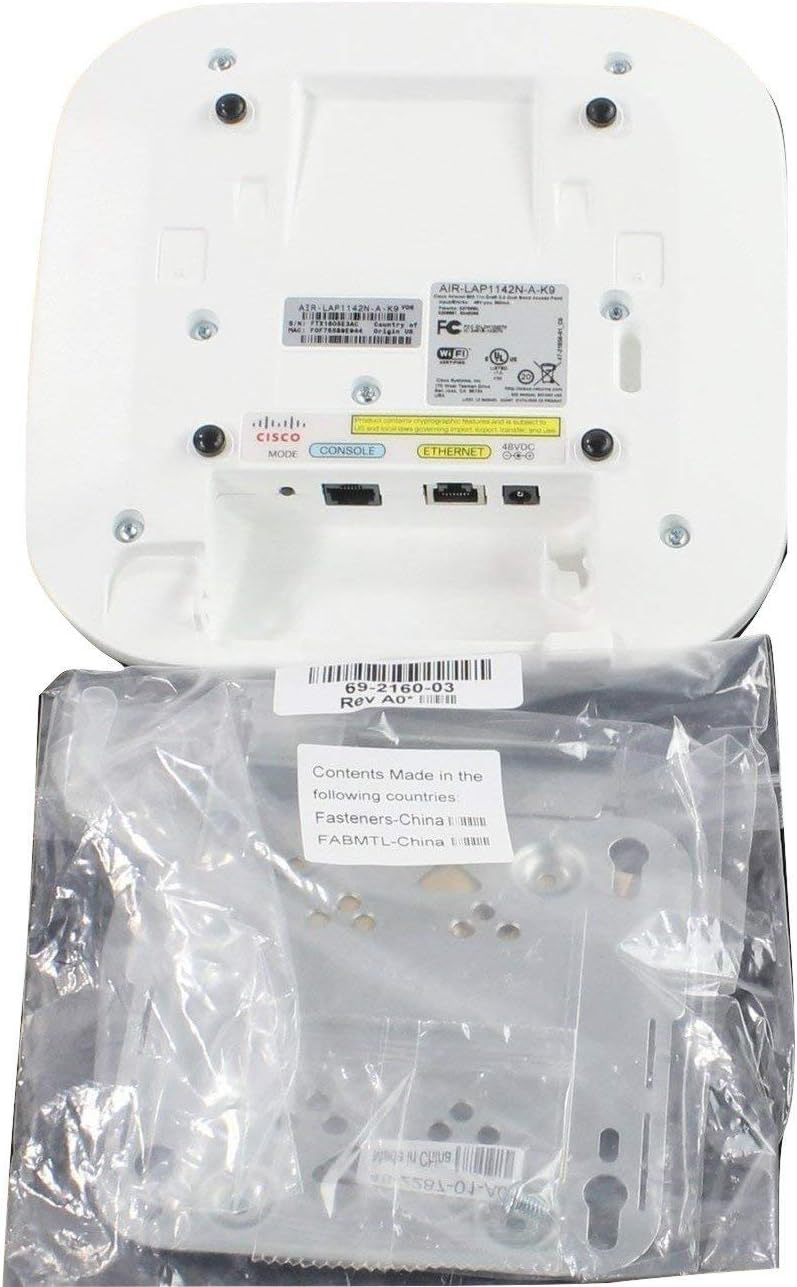
Figure 2: Cisco Aironet AIR-LAP1142N-A-K9 Wireless Access Point with included mounting kit components.
2.2 Connecting the Access Point
- Power Connection: Connect an Ethernet cable from a PoE-enabled switch or PoE injector to the Ethernet port on the back of the access point. This will provide both power and data connectivity.
- Network Connection: Ensure the PoE switch or injector is connected to your network infrastructure (e.g., router, WLAN controller).
- Management Port: The access point also features a dedicated management port (RJ-45) for direct console access, if needed for advanced configuration.

Figure 3: Rear view of the Cisco Aironet AIR-LAP1142N-A-K9 Wireless Access Point showing Ethernet and console ports.
2.3 Mounting the Device
The included mounting kit allows for flexible installation on walls or ceilings. Refer to the mounting kit instructions for detailed steps on securing the access point in your desired location.
3. Operating the Access Point
Once powered on and connected to a compatible WLAN controller, the Cisco Aironet 1142N Access Point will begin broadcasting wireless networks. The dual-band 802.11a/g/n capabilities ensure broad compatibility and high-speed connectivity for various devices.
3.1 Wireless Connectivity
- Dual-Band Support: The access point operates on both 2.4 GHz (802.11g/n) and 5 GHz (802.11a/n) frequencies, providing flexibility for client devices and reducing interference.
- High-Speed Performance: With 802.11n and MIMO technology, the access point delivers strong and stable wireless speeds, supporting multiple connected devices simultaneously for smooth streaming, browsing, and online work.
- Security: Supports various security protocols including AES, TLS, PEAP, TTLS, TKIP, WPA, and WPA2 to ensure secure wireless communication.

Figure 4: Top-down view of the Cisco Aironet AIR-LAP1142N-A-K9 Wireless Access Point.
3.2 Wired Connectivity
The integrated 1000Base-T (Gigabit Ethernet) port provides a high-speed wired connection for devices requiring maximum throughput or for connecting to the network backbone.
4. Maintenance
To ensure optimal performance and longevity of your Cisco Aironet 1142N Access Point, follow these general maintenance guidelines:
- Keep Clean: Regularly wipe the exterior of the device with a soft, dry cloth to remove dust. Avoid using liquid cleaners or abrasive materials.
- Ensure Ventilation: Make sure the ventilation holes are not obstructed to prevent overheating.
- Firmware Updates: Periodically check the Cisco support website for firmware updates. Keeping the firmware up-to-date ensures the latest features, security patches, and performance improvements.
- Environmental Conditions: Operate the device within its specified environmental ranges (temperature, humidity) to prevent damage.
5. Troubleshooting
If you encounter issues with your access point, consider the following basic troubleshooting steps:
- No Power/LEDs Off: Verify that the Ethernet cable is securely connected to both the access point and the PoE source. Ensure the PoE source is powered on and functioning correctly.
- No Wireless Signal: Check the access point's status indicators. Confirm that the device is online and configured correctly via your WLAN controller. Ensure there are no physical obstructions blocking the signal.
- Slow Performance: Check for network congestion. Ensure the access point's firmware is up-to-date. Consider adjusting channel settings on the WLAN controller to avoid interference.
- Cannot Connect to Network: Verify wireless network settings (SSID, password) on client devices. Ensure the WLAN controller is properly managing the access point.
- Resetting the Device: If issues persist, a factory reset may be necessary. Refer to the device's specific documentation or your WLAN controller's guide for instructions on performing a reset.
6. Specifications
| Feature | Detail |
|---|---|
| Brand | Cisco |
| Model Number | AIR-LAP1142N-A-K9 |
| Wireless Type | 802.11abg, 802.11ag, 802.11n |
| RAM | 128 MB |
| Flash Memory Size | 32 MB |
| Ports | 1 x 1000Base-T (RJ-45), 1 x Management (RJ-45) |
| Power Source | PoE Injection |
| Voltage | 50 Volts |
| Item Weight | 2.55 pounds |
| Product Dimensions | 8.7 x 8.7 x 1.9 inches |
| Color | White |
7. Warranty Information
Please note the following regarding warranty and returns:
- Returns for non-defective items are generally not accepted. Any merchandise returned for repair and found not to be defective by technicians may incur a 25% restocking fee.
- By placing an order, you acknowledge and accept these procedures.
- Additional warranty length may be available; contact the seller directly for more details.
8. Support
For further assistance, technical support, or inquiries regarding your Cisco Aironet AIR-LAP1142N-A-K9 Wireless Access Point, please refer to the official Cisco support resources or contact your product vendor.
- Visit the official Cisco website for documentation, drivers, and support forums.
- Contact your reseller or distributor for product-specific support and service.
Related documentsAIR-LAP1142N-A-K9


Ask a question about this manual
Ask about setup, troubleshooting, compatibility, parts, safety, or missing instructions. Manuals+ will review the question and use this page’s manual context to help answer it.