1. Introduction
This manual provides essential information for the safe and efficient use of your Pigeon 3 Liter Inox Stainless Steel Pressure Cooker. This appliance is designed for cooking various foods under pressure, reducing cooking time. It features an outer lid design and an induction-compatible base, suitable for use on induction, gas, ceramic HOB, and solid plate cooktops.
Please read all instructions carefully before first use and retain this manual for future reference.

Image 1.1: Overview of the Pigeon 3 Liter Inox Stainless Steel Pressure Cooker, highlighting its 3-liter capacity.
2. Important Safety Instructions
Failure to follow these safety instructions may result in property damage or personal injury.
- Read all instructions thoroughly before operating the pressure cooker.
- Do not touch hot surfaces. Use handles or knobs.
- Close supervision is necessary when the pressure cooker is used near children.
- Do not place the pressure cooker in a heated oven.
- Exercise extreme caution when moving a pressure cooker containing hot liquids.
- Do not use the pressure cooker for purposes other than its intended use.
- This appliance cooks under pressure. Improper use may result in scalding injury. Ensure the unit is properly closed before operating.
- Never force the pressure cooker open. Ensure internal pressure is completely released before opening.
- Do not fill the unit more than two-thirds full. When cooking foods that expand during cooking, such as rice or dried vegetables, do not fill more than half full.
- Ensure the pressure regulator (weight valve) is properly seated before use.
- Check the safety valve and gasket regularly for blockages or damage. Replace if necessary.
- Use only genuine Pigeon replacement parts.
3. Product Components
Your Pigeon pressure cooker consists of several key components designed for safe and effective pressure cooking:
- Cooker Body: The main pot, made of stainless steel with a 5mm thick base for even heat distribution.
- Outer Lid: The lid that fits over the cooker body.
- Gasket: A rubber ring fitted inside the lid to create an airtight seal.
- Pressure Regulator (Weight Valve): Sits on the vent tube of the lid to maintain and release pressure.
- Safety Valve: A safety device designed to release excess pressure if the vent tube becomes blocked.
- Main Handle: The long handle attached to the cooker body.
- Auxiliary Handle: The smaller handle opposite the main handle for easier lifting.

Image 3.1: Side view of the pressure cooker, showing the main body, lid, and handles.
4. Setup Before First Use
- Unpack: Carefully remove all packaging materials and labels from the pressure cooker.
- Wash: Wash the cooker body, lid, gasket, and pressure regulator with warm soapy water. Rinse thoroughly and dry completely.
- Inspect: Check the gasket for any cracks or damage. Ensure the vent tube on the lid is clear and free from obstructions. Verify that the safety valve is intact.
- Gasket Placement: Properly seat the gasket inside the lid rim.
5. Operating Instructions
5.1. Preparing for Cooking
- Add Ingredients: Place your food and the required amount of liquid into the cooker body. Do not exceed the maximum fill lines (2/3 full for most foods, 1/2 full for expanding foods like rice or beans).
- Close the Lid: Place the lid onto the cooker body, aligning the handles. Ensure the lid is securely closed and locked according to the markings on the lid and body.
- Place Pressure Regulator: Position the pressure regulator (weight valve) firmly onto the vent tube on the lid.
5.2. Cooking Process
- Apply Heat: Place the pressure cooker on a suitable heat source (induction, gas, ceramic HOB, or solid plate). Use a medium to high flame/setting.
- Pressure Build-up: As the cooker heats, steam will begin to escape from the vent tube. Once sufficient pressure has built up, the pressure regulator will begin to whistle or rock gently. This indicates that full pressure has been reached.
- Reduce Heat: Once full pressure is reached, reduce the heat to the lowest setting that maintains the whistling/rocking action of the pressure regulator.
- Cook: Cook for the time specified in your recipe.

Image 5.1: The pressure cooker is compatible with various cooktop styles, including induction and gas stoves.
5.3. Depressurizing and Opening
There are two methods to release pressure:
- Natural Release: Remove the cooker from the heat source and allow it to cool down naturally. Pressure will gradually decrease. This method is suitable for foods that benefit from continued cooking.
- Quick Release (Caution): For faster depressurization, carefully lift the pressure regulator using a utensil to release steam. Keep hands and face away from the escaping steam. This method is not recommended for foamy foods or liquids.
Opening the Lid: Only open the lid when all pressure has been released. You can verify this by ensuring no steam is escaping from the vent tube and the safety valve has dropped. Carefully unlock and remove the lid.
6. Maintenance and Cleaning
Proper maintenance ensures the longevity and safe operation of your pressure cooker.
- Daily Cleaning: After each use, wash the cooker body, lid, gasket, and pressure regulator with warm soapy water. Rinse thoroughly and dry immediately to prevent water spots and corrosion.
- Gasket Care: Remove the gasket from the lid after each use for cleaning. Store it flat to prevent distortion. Replace the gasket if it becomes hard, cracked, or loses its elasticity (typically every 6-12 months depending on usage).
- Vent Tube and Safety Valve: Ensure the vent tube on the lid is always clear. Use a small brush or wire to clean any food particles. Periodically check the safety valve for any blockages.
- Exterior: For stainless steel, use a non-abrasive cleaner to maintain its shine. Avoid steel wool or harsh scouring pads.
- Storage: Store the pressure cooker with the lid inverted or slightly ajar to allow air circulation and prevent odors.
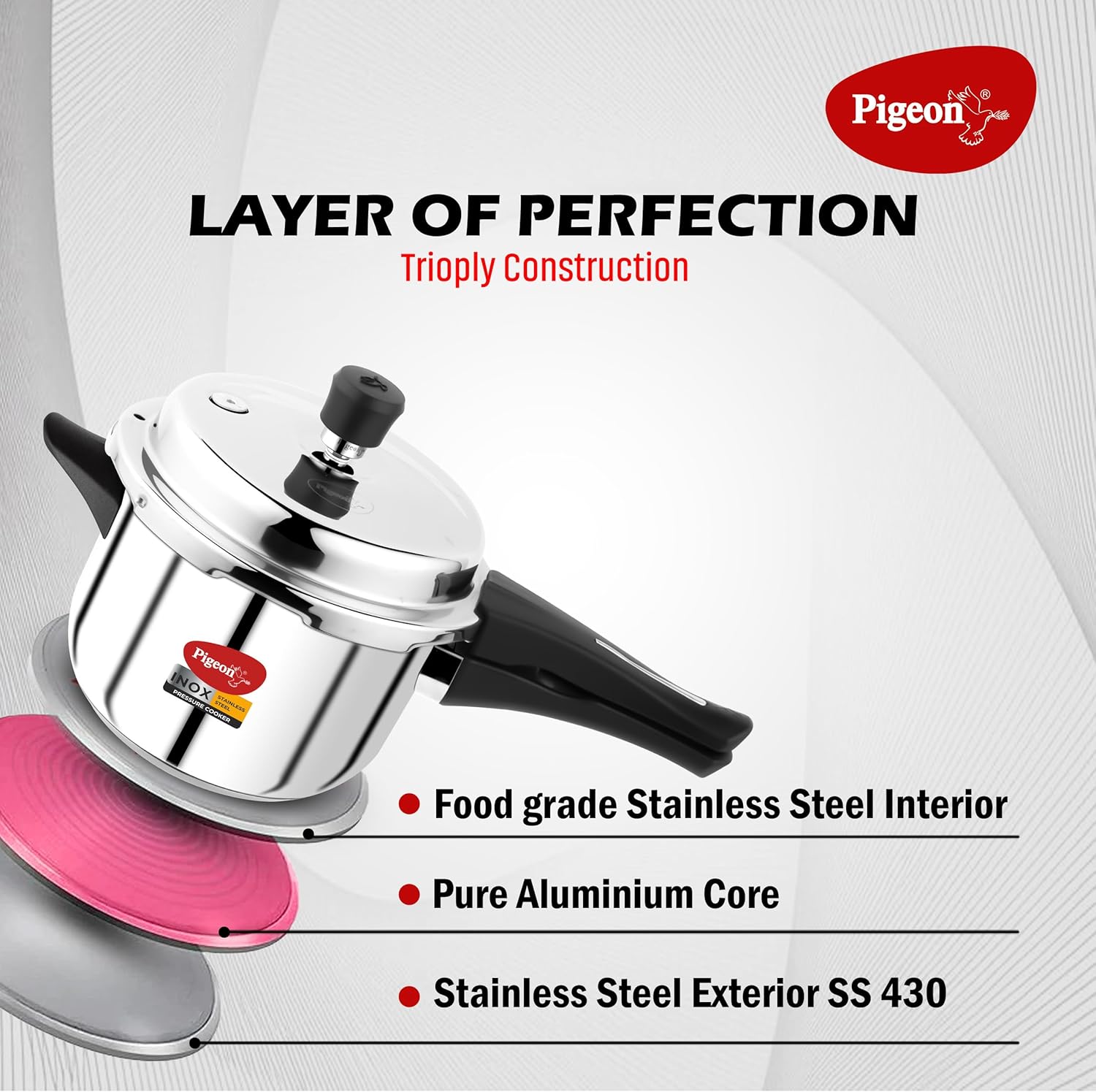
Image 6.1: The cooker features a triply construction for durability and even heating, making it easy to clean.
7. Troubleshooting
| Problem | Possible Cause | Solution |
|---|---|---|
| Steam leaking from lid rim | Gasket improperly seated, worn, or damaged; lid not closed properly; food particles on rim. | Re-seat gasket, replace if worn. Ensure lid is closed correctly. Clean rim. |
| Pressure not building | Insufficient liquid; vent tube blocked; pressure regulator not seated; gasket issue. | Add more liquid. Clean vent tube. Ensure regulator is properly placed. Check gasket. |
| Safety valve releases steam | Overpressure due to blocked vent tube or excessive heat. | Immediately remove from heat. Allow to cool. Clean vent tube. Reduce heat next time. |
| Food burning at bottom | Insufficient liquid; heat too high; cooking time too long. | Ensure adequate liquid. Reduce heat once pressure is reached. Adjust cooking time. |
8. Specifications
| Feature | Detail |
|---|---|
| Brand | Pigeon |
| Model Number | 14044 |
| Capacity | 3 Liters (approximately 3 Quart) |
| Material | Stainless Steel |
| Color | Silver |
| Finish Type | Stainless Steel |
| Product Dimensions (D x W x H) | 6.69"D x 14.57"W x 8.86"H |
| Item Weight | 0.39 Kilograms (13.7 ounces) |
| Special Feature | Gas Stovetop Compatible, Induction Compatible Base, Manual Operation |
| Dishwasher Safe | No |

Image 8.1: Product dimensions for the Pigeon Pressure Cooker.
9. Warranty Information
Specific warranty details for this Pigeon Pressure Cooker are not provided in the available product data. Please refer to the product packaging, the manufacturer's official website, or contact customer support for comprehensive warranty information.
10. Customer Support
For further inquiries, installation assistance, or support, please contact Pigeon customer care:
- Phone/WhatsApp: +91 6364 914 202

Image 10.1: Customer care contact information for Pigeon products.


