1. Introduction
This manual provides essential information for the safe and efficient use of your Hilitand SC Series Pneumatic Air Cylinder, model SC32X175. This double-acting cylinder is designed for various industrial automation applications, converting compressed air energy into linear motion. Please read this manual thoroughly before installation, operation, or maintenance to ensure proper function and safety.
2. Safety Information
Always observe the following safety precautions to prevent injury and damage to the equipment:
- Ensure all pneumatic connections are secure and leak-free before applying air pressure.
- Never exceed the maximum operating pressure specified for the cylinder.
- Wear appropriate personal protective equipment (PPE), such as safety glasses, when working with pneumatic systems.
- Depressurize the system completely before performing any maintenance, adjustments, or disconnections.
- Avoid placing hands or other body parts near moving parts of the cylinder during operation.
- Ensure the cylinder is securely mounted to a stable surface to prevent accidental movement or detachment.
- Do not modify the cylinder or its components. Use only genuine replacement parts.
- Operate the cylinder within its specified temperature range.
- Keep the work area clean and free of obstructions.
3. Product Overview
The Hilitand SC32X175 is a double-acting pneumatic cylinder, meaning air pressure can be applied to both sides of the piston to extend and retract the piston rod. It features a threaded piston rod for easy attachment of various end effectors or loads.
3.1. Components
Key components include the cylinder barrel, piston, piston rod, end caps, and seals. The end caps typically contain ports for air input/output and mounting points.

Image 3.1: Detailed view of the Hilitand SC32X175 pneumatic air cylinder, showing the threaded piston rod, end caps with air ports, and overall construction. Insets provide close-ups of the piston rod connection and the end cap design.

Image 3.2: Close-up view of the threaded piston rod and the front end cap of the cylinder, highlighting the connection point for external loads and one of the air input/output ports.
4. Specifications
The following table outlines the key technical specifications for the Hilitand SC32X175 Pneumatic Air Cylinder:
| Parameter | Value |
|---|---|
| Model | SC32X175 |
| Bore Diameter | 32 mm |
| Stroke Length | 175 mm |
| Action Type | Double Acting |
| Working Pressure Range | 0.1 ~ 1 MPa (14 ~ 145 psi) |
| Maximum Pressure | 1.5 MPa (215 psi) |
| Working Temperature | -20 ~ 80 °C |
| Working Speed Range | 30 ~ 800 mm/s |
| Piston Rod Type | Threaded |
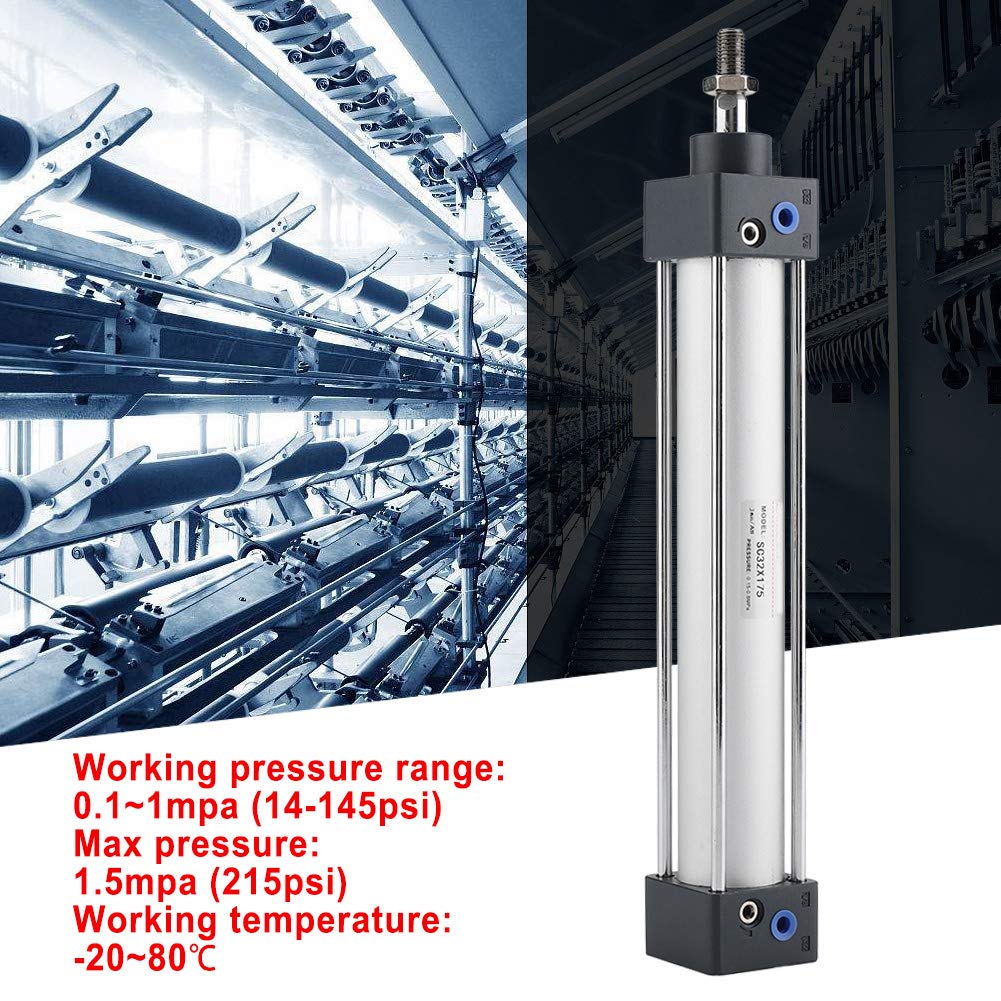
Image 4.1: Visual representation of the Hilitand SC32X175 cylinder with overlaid text indicating the working pressure range (0.1-1 MPa / 14-145 psi) and maximum pressure (1.5 MPa / 215 psi).

Image 4.2: The pneumatic air cylinder displayed with text highlighting its working speed range of 30-800 mm/s.
5. Setup
5.1. Mounting
The cylinder must be securely mounted to a rigid and stable structure capable of withstanding the forces generated by the cylinder's operation. Use appropriate fasteners and mounting accessories (not included) for your specific application. Ensure the cylinder is aligned correctly to prevent side loading on the piston rod, which can lead to premature wear or failure.

Image 5.1: General view of the Hilitand SC32X175 pneumatic air cylinder, illustrating its overall form factor for mounting consideration.
5.2. Air Connections
Connect the compressed air supply lines to the designated ports on the cylinder's end caps. For double-acting cylinders, one port controls extension and the other controls retraction. Use appropriate fittings and ensure all connections are tight to prevent air leaks. It is recommended to install a filter-regulator-lubricator (FRL) unit upstream of the cylinder to ensure clean, regulated, and lubricated air supply.
- Port 1 (Extension): Connect to the air supply that will extend the piston rod.
- Port 2 (Retraction): Connect to the air supply that will retract the piston rod.
6. Operating Instructions
Once the cylinder is securely mounted and air connections are established, you can begin operation. The cylinder's movement is controlled by directing compressed air to the appropriate port using a directional control valve (not included).
- Extension: Apply air pressure to the extension port while allowing air to exhaust from the retraction port.
- Retraction: Apply air pressure to the retraction port while allowing air to exhaust from the extension port.
Adjust the air pressure within the specified working range (0.1 ~ 1 MPa) to control the force and speed of the cylinder. For precise speed control, flow control valves can be installed in the exhaust lines.
7. Maintenance
Regular maintenance ensures the longevity and reliable operation of your pneumatic cylinder. Always depressurize the system before performing any maintenance.
- Daily Check: Inspect the cylinder for any visible damage, air leaks, or unusual noises during operation.
- Weekly Check: Verify the integrity of all air connections and mounting bolts. Ensure the piston rod moves smoothly without binding.
- Lubrication: If an FRL unit is not used, or if the application requires additional lubrication, consult a pneumatic specialist for appropriate lubricants and application methods. Most modern cylinders are designed for non-lubricated operation if the air supply is clean and dry.
- Seal Replacement: Over time, seals may wear out. If you notice air leaks or reduced performance, seals may need replacement. This typically requires disassembly and should be performed by qualified personnel.
- Cleanliness: Keep the cylinder and surrounding area clean to prevent dust and debris from entering the system.
8. Troubleshooting
Refer to the table below for common issues and their potential solutions:
| Problem | Possible Cause | Solution |
|---|---|---|
| Cylinder does not move or moves slowly | Low air pressure, clogged air lines, faulty valve, worn seals, excessive load. | Check air supply pressure, inspect air lines for obstructions, verify valve operation, check for air leaks, reduce load if possible. |
| Air leaks from cylinder | Loose fittings, damaged seals, cracked cylinder component. | Tighten fittings, replace damaged seals, replace damaged component. |
| Erratic or jerky movement | Insufficient lubrication, air contamination, improper speed control, side loading. | Ensure proper lubrication (if applicable), check air quality, adjust flow control valves, verify cylinder alignment. |
| Cylinder fails to reach full stroke | Insufficient air pressure, internal obstruction, excessive load, worn seals. | Increase air pressure (within limits), inspect for obstructions, reduce load, replace seals. |
9. Warranty and Support
For technical assistance, warranty information, or to inquire about replacement parts, please contact Hilitand customer support through their official channels. Refer to your purchase documentation for specific warranty terms and contact details.
Hilitand Official Store: Visit Hilitand Store on Amazon
