
1. Introduction
This manual provides essential information for the safe and effective operation of your Vangoa 65W Electric Drum Amplifier. Designed for electronic percussion products, this amplifier delivers 65 watts of power, suitable for various performance and practice environments. It features an 8-inch woofer and a 2-inch tweeter for balanced sound reproduction, along with multiple connectivity options including dual microphone inputs, instrument inputs, headphone output, USB, and wireless input.
2. Key Features
- 65W High Power Output: Provides sufficient amplification for electronic drum practice, studio rehearsals, street performances, karaoke, and live stage use.
- Rich and Dynamic Tone: Equipped with an 8-inch woofer and a 2-inch tweeter for expressive classic tones and responsive audio. Features 3-band EQ (High, Mid, Low) for sound shaping.
- Diverse Connectivity: Includes dual independent microphone channels, headphone output, USB interface, and wireless input for devices like phones and audio players.
- Multiple Instrument Inputs: Two independent drum input interfaces for connecting electronic drums, electric guitars, keyboards, and other instruments.
- Intuitive Control Panel: Simple and practical operating area on the top for easy adjustment of equalizer settings and volume.
3. Product Overview

Figure 1: Front view of the Vangoa 65W Electric Drum Amplifier highlighting key features.
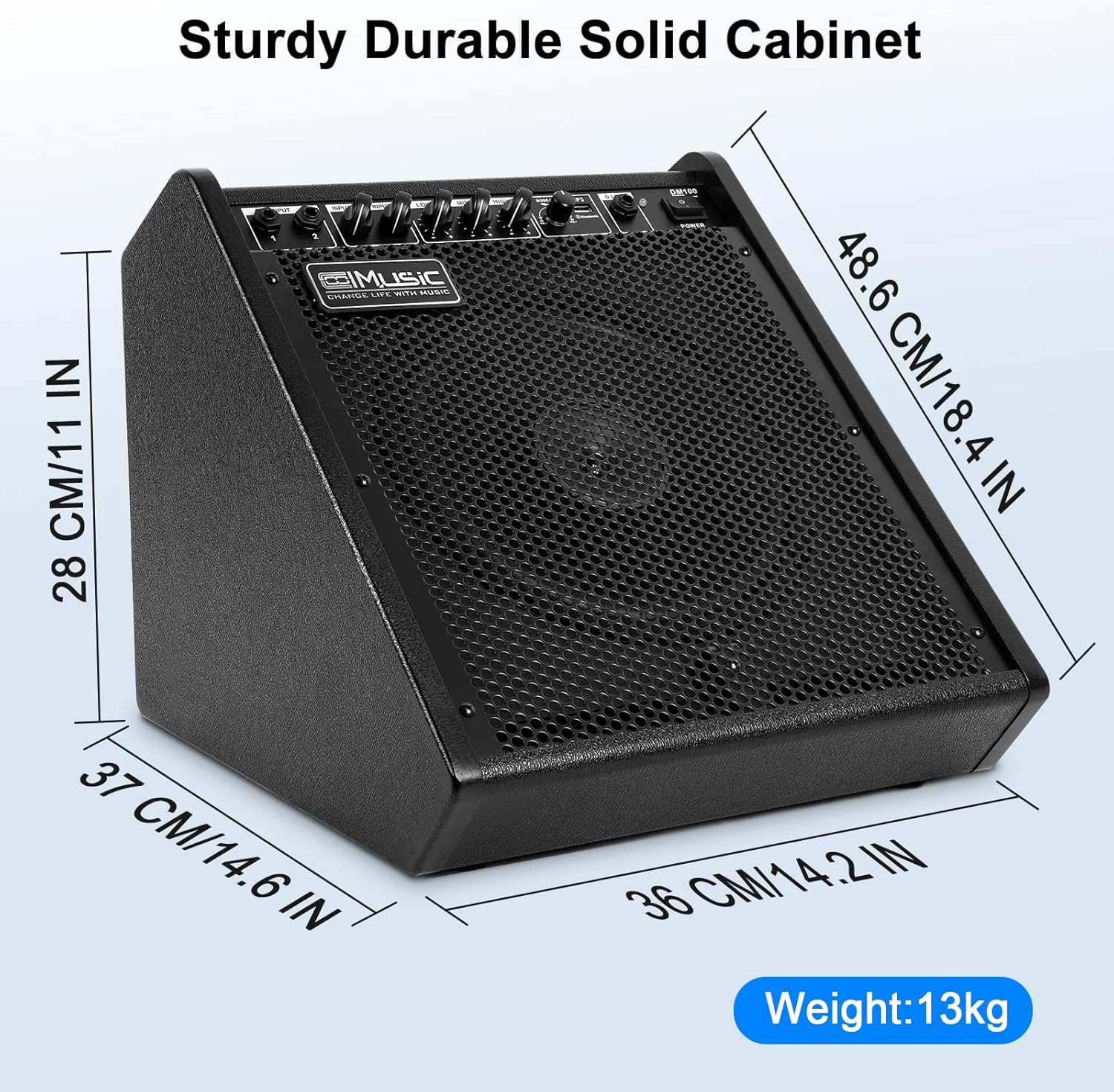
Figure 2: Amplifier dimensions (16.14 x 14.17 x 13.39 inches).

Figure 3: Top panel showing diverse connection options and controls.

Figure 4: Illustration of the 8-inch woofer and 2-inch tweeter for professional sound.

Figure 5: USB and Bluetooth connectivity for wide compatibility.

Figure 6: Detailed diagram of inputs for microphones, drums, line-in, and USB/Bluetooth.
Product Videos
Video 1: A brief product overview demonstrating the amplifier's features and design.
Video 2: Short demonstration of the Vangoa 65W Electric Drum Amp in action, showcasing its powerful sound.
4. Setup Guide
- Unpacking: Carefully remove the amplifier from its packaging. Retain all packaging materials for future transport or storage.
- Placement: Place the amplifier on a stable, flat surface. Ensure adequate ventilation around the unit. The amplifier is designed with an elevation angle for optimal sound projection towards the user.
- Power Connection: Connect the provided power cord to the amplifier's power input and then to a suitable electrical outlet. Ensure the power switch is in the 'OFF' position before connecting.
- Initial Power On: Flip the power switch to the 'ON' position. The power indicator light should illuminate.
- Volume Adjustment: Before connecting any instruments, ensure all volume knobs (Master, Drum, Line, Mic) are set to their minimum positions to prevent sudden loud sounds.
5. Operating Instructions
5.1 Connecting Instruments and Microphones
- Electronic Drums: Connect your electronic drum module's output to the 'DRUM IN' input using a standard instrument cable. Adjust the 'DRUM' volume knob to control the drum sound level.
- Other Instruments (Keyboard, Guitar): Use the 'LINE IN' inputs for connecting other instruments. Adjust the 'LINE' volume knob.
- Microphones: Connect microphones to the 'MIC 1' or 'MIC 2' inputs. Each microphone input has an independent volume control ('MIC VOL').
- Headphones: For private practice, connect headphones to the 'PHONES' output. This will mute the main speaker output.
5.2 Equalizer (EQ) Adjustment
The amplifier features a 3-band equalizer to shape your sound:
- BASS: Adjusts the low-frequency response. Turn clockwise to boost bass, counter-clockwise to cut.
- MID: Adjusts the mid-range frequency response. Turn clockwise to boost mids, counter-clockwise to cut.
- TREBLE: Adjusts the high-frequency response. Turn clockwise to boost treble, counter-clockwise to cut.
Experiment with these controls to achieve your desired tone for different instruments and musical styles.
5.3 Wireless and USB Playback
- Wireless (Bluetooth): Activate Bluetooth on your external device (e.g., smartphone, tablet). Select the amplifier from the list of available devices to pair. Once connected, you can play audio through the amplifier. Use the 'BT/MP3' volume control on the amplifier and your device's volume control.
- USB Playback: Insert a USB drive containing audio files into the 'USB' port. The amplifier will automatically detect and begin playing the files. Use the playback controls (play/pause, next/previous track) and the 'BT/MP3' volume control.
5.4 Master Volume
The 'MASTER' volume knob controls the overall output level of the amplifier. Adjust this after setting individual input volumes to achieve the desired total loudness.
6. Specifications
| Feature | Specification |
|---|---|
| Output Wattage | 65 Watts |
| Speaker Configuration | 8-inch Woofer, 2-inch Tweeter |
| Frequency Response | 45 Hz to 20 kHz |
| Inputs | 2x Drum/Line Inputs (6.35mm Jack), 2x Mic Inputs, Aux Input, USB |
| Outputs | Headphone Output |
| Wireless Connectivity | Bluetooth |
| Equalizer | 3-Band (Bass, Mid, Treble) |
| Dimensions (L x W x H) | 16.14 x 14.17 x 13.39 inches |
| Item Weight | 17.06 pounds |
| Material | Metal, Plastic |
| Color | Black |
7. Maintenance
- Cleaning: Use a soft, dry cloth to clean the exterior of the amplifier. Do not use liquid cleaners or solvents, as they may damage the finish or internal components.
- Storage: When not in use for extended periods, store the amplifier in a cool, dry place, away from direct sunlight and extreme temperatures.
- Ventilation: Ensure that the amplifier's ventilation openings are not blocked to prevent overheating.
- Cable Care: Regularly inspect all cables for signs of wear or damage. Replace any damaged cables immediately to ensure safe operation.
8. Troubleshooting
- No Power:
- Check if the power cord is securely connected to both the amplifier and the electrical outlet.
- Verify that the power outlet is functional.
- Ensure the power switch on the amplifier is in the 'ON' position.
- No Sound Output:
- Confirm that all volume knobs (Master, Drum, Line, Mic, BT/MP3) are turned up to an audible level.
- Check all instrument and microphone cables for secure connections and proper functionality.
- If using headphones, ensure they are properly connected and that the main speaker output is not muted unexpectedly.
- If using wireless or USB input, ensure the device is properly paired/connected and playing audio.
- Distorted Sound:
- Reduce the volume levels of the input source, individual channels, and the Master volume.
- Adjust the EQ settings (Bass, Mid, Treble) to reduce excessive boosting of certain frequencies.
- Ensure instrument cables are not damaged or faulty.
- Wireless Connection Issues:
- Ensure the amplifier's wireless function is active.
- Move the external device closer to the amplifier to improve signal strength.
- Disconnect and re-pair the Bluetooth device.
9. Warranty and Support
Vangoa products are designed and manufactured to high-quality standards. For warranty information, please refer to the warranty card included with your product or visit the official Vangoa website. For technical support, troubleshooting assistance, or service inquiries, please contact Vangoa customer support through their official channels.
Please retain your proof of purchase for any warranty claims.
