
RSI RSI-MCT-D245
RSI Riverstone Industries Maze Two Stage Tumbler Composter User Manual
Brand: RSI | Model: RSI-MCT-D245
Introduction
The RSI Riverstone Industries Maze Two Stage Tumbler Composter is engineered for efficient compost generation. Its robust design features a zinc-coated metal frame for rust prevention and a high-impact, UV-protected plastic body. The unique patent-pending ratchet lock and geared rotating handle simplify the turning and mixing of compost materials. The design also includes a large open area beneath the composter for easy emptying. This composter offers versatility, allowing for a full 65-gallon capacity or division into two separate composting chambers, ensuring a continuous supply of finished compost.
Important Safety Information
- Outdoor Use Only: This composter is designed exclusively for outdoor use. Do not operate indoors.
- Careful Assembly: Assemble the unit carefully, following all instructions to ensure stability and proper function.
- Handle with Caution: Exercise caution when handling compost materials, especially in large quantities, to prevent injury.
- Product Weight: The assembled composter weighs approximately 25.8 pounds (11.7 kg) when empty. Be mindful of its weight during assembly and relocation.
Setup and Assembly
Assembly of the Maze Two Stage Tumbler Composter is required. While intricate, the process is straightforward when instructions are followed carefully. It is recommended to lay out all components and hardware systematically before beginning.
Assembly Steps (General Guidance):
- Unpack and Verify: Unpack all components and verify against the parts list provided in your physical manual.
- Assemble the Frame: Construct the zinc-coated metal frame, ensuring all connections are secure.
- Assemble the Tumbler Barrel: The barrel typically comes in segments. Carefully assemble these segments to form the main composting drum. Ensure the internal divider is correctly positioned if you intend to use the two-stage system.
- Attach the Tumbler to the Frame: Securely mount the assembled tumbler barrel onto the metal frame.
- Install the Geared Handle: Attach the geared rotating handle and ensure the patent-pending ratchet lock mechanism functions correctly.
- Final Checks: Confirm all bolts and screws are tightened, and the composter is stable and level on its intended outdoor surface.

Figure 1: The RSI Maze Two Stage Tumbler Composter in its assembled, closed state, showcasing its black and green design and sturdy frame.
Operating Instructions
Adding Materials:
The composter features large access doors for easy loading. Open the desired compartment door and add your organic materials. For optimal composting, maintain a balance of "greens" (nitrogen-rich, e.g., food scraps, grass clippings) and "browns" (carbon-rich, e.g., shredded paper, dry leaves, wood chips).
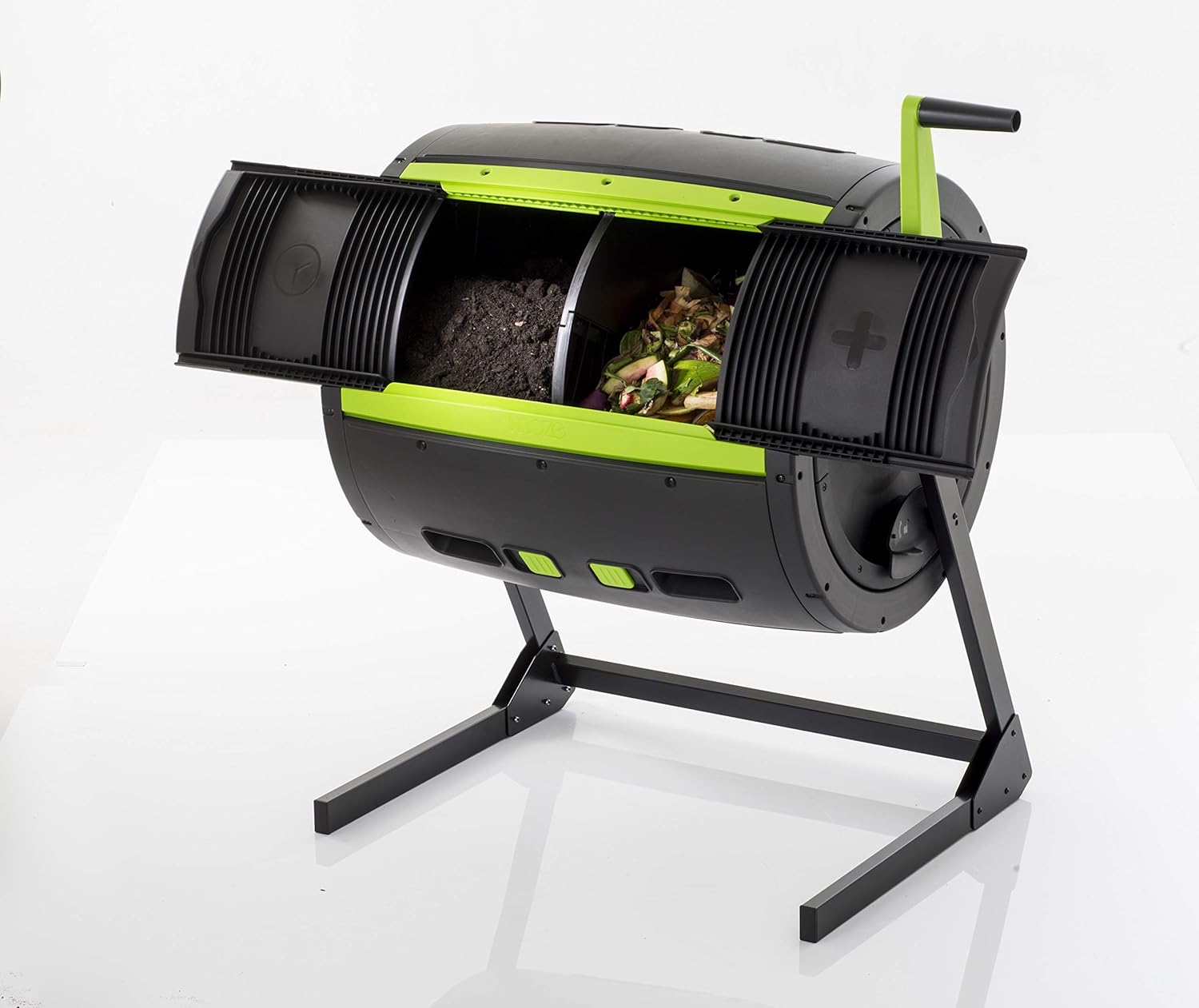
Figure 2: The composter with both compartments open, illustrating the two-stage design. One side contains fresh organic waste, while the other holds finished compost.
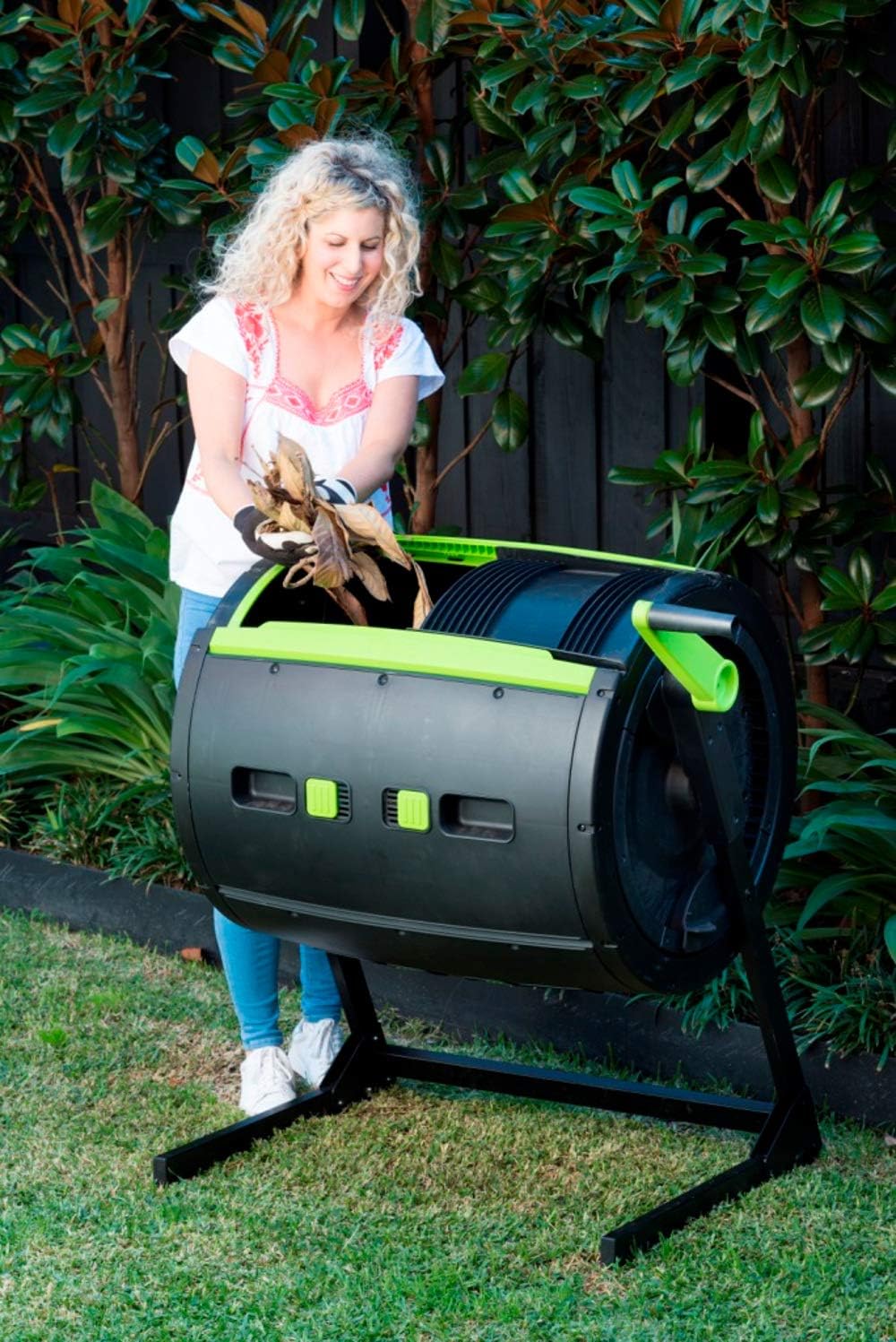
Figure 3: A user demonstrating the process of adding organic materials, such as dry leaves, into the composter's opening.

Figure 4: A close-up view inside the composter, showing the distinct separation between fresh organic waste on one side and rich, dark finished compost on the other.
Turning the Composter:
Regular turning is crucial for aeration and accelerating the composting process. The geared rotating handle makes turning easy. Engage the handle and rotate the drum several times daily or every few days, especially after adding new materials. The patent-pending ratchet lock allows you to secure the drum in various positions for convenient loading and unloading.
Two-Stage Composting:
The Maze composter can be used as a single large chamber or divided into two separate compartments. This allows you to continuously add fresh materials to one side while the other side is actively composting and maturing. Once one side is full and actively breaking down, begin adding new materials to the second compartment. When the first side's compost is ready, empty it and resume adding fresh materials to that side.
Emptying Compost:
The large open area beneath the composter facilitates easy emptying. Position a wheelbarrow or compost cart (optional, sold separately) directly underneath the desired compartment, open the door, and rotate the drum to release the finished compost.
Maintenance
- Cleaning: Wipe the exterior of the composter clean with a damp cloth as needed. Avoid harsh chemicals that could damage the plastic.
- Rust and Corrosion Resistance: The zinc-coated metal frame is designed to resist rust and corrosion, ensuring long-term durability in outdoor conditions.
- Aeration Holes: Ensure aeration holes remain clear of debris to allow proper airflow for composting.
- Handle Care: While the handle is designed for durability, avoid excessive force when turning, especially if the drum is very full and heavy. Grasp the handle closer to the arm for better leverage.
Troubleshooting
- Difficulty Turning:
- Ensure the composter is not overfilled. Reduce material if necessary.
- Check if the geared handle or ratchet lock mechanism is obstructed or dislodged. Realign if needed.
- Verify the composter is on a level surface. Uneven ground can affect the turning mechanism.
- Compost Not Breaking Down:
- Lack of Moisture: Add water to the compost if it appears too dry. It should feel like a damp sponge.
- Too Wet: Add more "brown" materials (e.g., shredded cardboard, dry leaves) if the compost is too soggy.
- Insufficient Aeration: Increase the frequency of turning the composter to introduce more oxygen.
- Improper Mix: Adjust the ratio of "greens" to "browns." A good starting point is roughly 1 part green to 2-3 parts brown by volume.
- Unpleasant Odors:
- Rotten Egg Smell (Sulfur): Indicates too much nitrogen ("greens") or lack of oxygen. Add more "browns" and turn more frequently.
- Ammonia Smell: Also indicates too much nitrogen. Add more "browns."
Specifications
| Product Type | Tumbler Composter |
| Brand | RSI |
| Model Number | RSI-MCT-D245 |
| Capacity | 65 Gallons (approx. 8.69 Cubic Feet) |
| Material | High-impact UV-protected Plastic, Zinc-coated Metal Frame |
| Color | Black/Green |
| Product Dimensions (L x W x H) | 41.3" x 30" x 44.5" (104.9 cm x 76.2 cm x 113 cm) |
| Item Weight (Empty) | 25.8 pounds (11.7 kg) |
| Aeration | Yes, with aeration holes |
| Assembly Required | Yes |
| UPC | 737278100919 |
Warranty and Support
For specific warranty information, product support, or to inquire about replacement parts, please contact RSI directly. Refer to the contact details provided in your product packaging or visit the official RSI website.
Manufacturer: RSI
Related documentsRSI-MCT-D245


Ask a question about this manual
Ask about setup, troubleshooting, compatibility, parts, safety, or missing instructions. Manuals+ will review the question and use this page’s manual context to help answer it.