
Hecht HEC-1114
HECHT Gasoline Vibratory Plate Compactor User Manual
Model: HEC-1114 | Brand: Hecht
1. Introduction
This manual provides essential information for the safe and efficient operation, maintenance, and troubleshooting of your HECHT HEC-1114 Gasoline Vibratory Plate Compactor. Please read this manual thoroughly before operating the machine to ensure proper use and to prevent injury or damage.
The HECHT vibratory plate compactor is designed for compacting various surfaces, including paving stones, gravel, and other sub-bases in road construction, garden, and landscaping projects. Its powerful 4-stroke engine and robust design ensure effective compaction.
2. Safety Instructions
Always prioritize safety when operating power equipment. Failure to follow these instructions may result in serious injury or property damage.
- Read and understand all instructions before operating the compactor.
- Wear appropriate personal protective equipment (PPE), including safety glasses, hearing protection, sturdy footwear, and gloves.
- Operate the machine only in well-ventilated areas to avoid carbon monoxide poisoning.
- Keep bystanders, especially children and pets, away from the operating area.
- Do not operate the compactor under the influence of alcohol, drugs, or medication that may impair judgment.
- Ensure the work area is clear of obstacles and debris.
- Handle fuel with extreme care. Refuel in a well-ventilated area with the engine off and cool. Do not smoke while refueling.
- Check for loose parts, damaged components, or fuel leaks before each use. Do not operate a damaged machine.
- Always turn off the engine and allow it to cool before performing any maintenance or adjustments.
- Be aware of hot surfaces, especially the engine and exhaust system, during and after operation.
3. Package Contents
Upon unpacking, verify that all components are present and undamaged.
- HECHT HEC-1114 Vibratory Plate Compactor
- Transport Chassis (integrated/foldable)
- Rubber Protection Mat (for paving stones)
- User Manual (this document)
4. Product Overview
Familiarize yourself with the main components of your vibratory plate compactor.

Figure 4.1: Overall view of the HECHT HEC-1114 Gasoline Vibratory Plate Compactor, showing the engine, vibratory plate, and handle assembly.
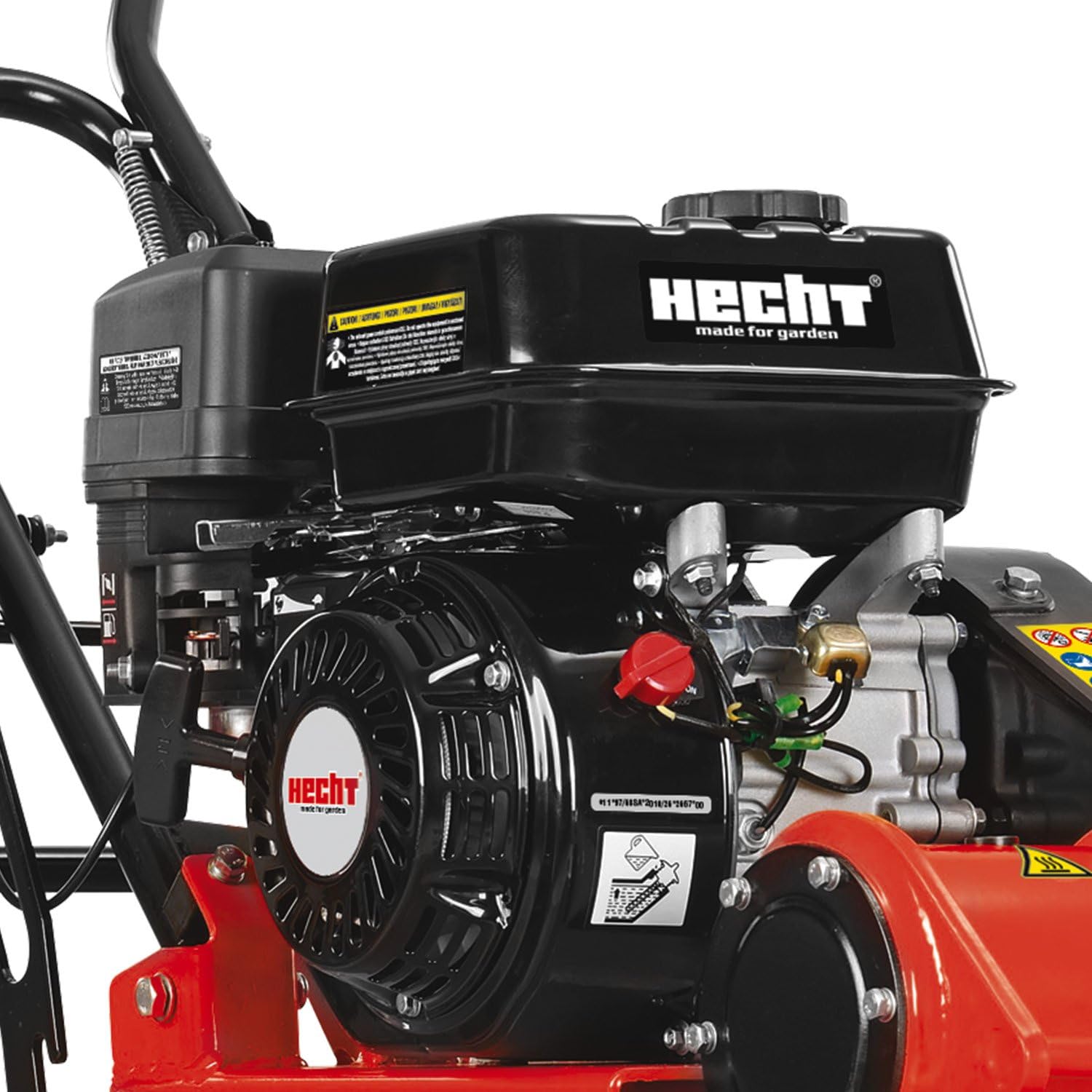
Figure 4.2: Detailed view of the powerful 4-stroke engine and the fuel tank, which powers the compactor.

Figure 4.3: The ergonomic operating handle, designed for comfortable control and featuring a foldable design for storage.
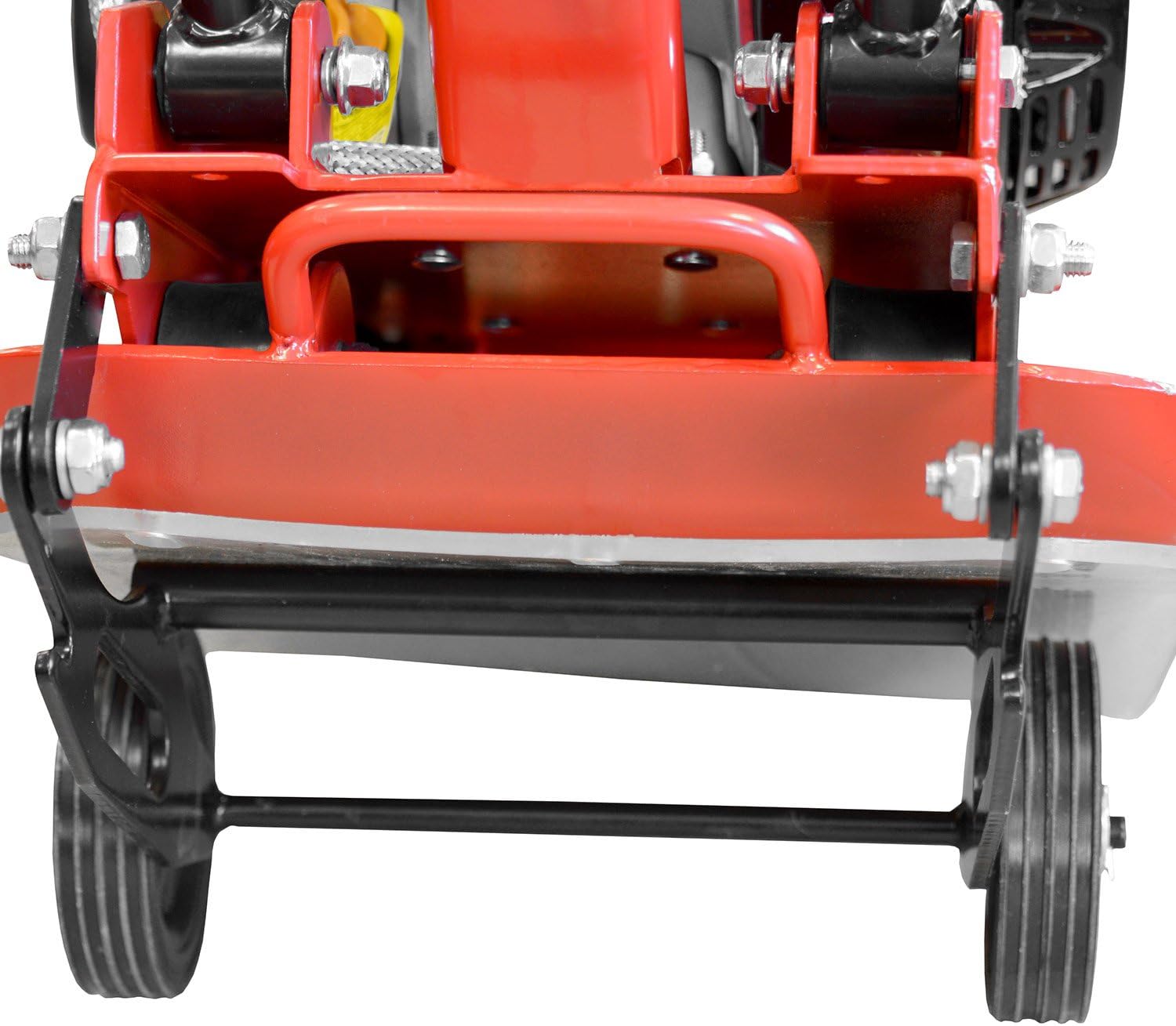
Figure 4.4: The integrated, foldable transport wheels, allowing for easy movement of the compactor to and from the work site.
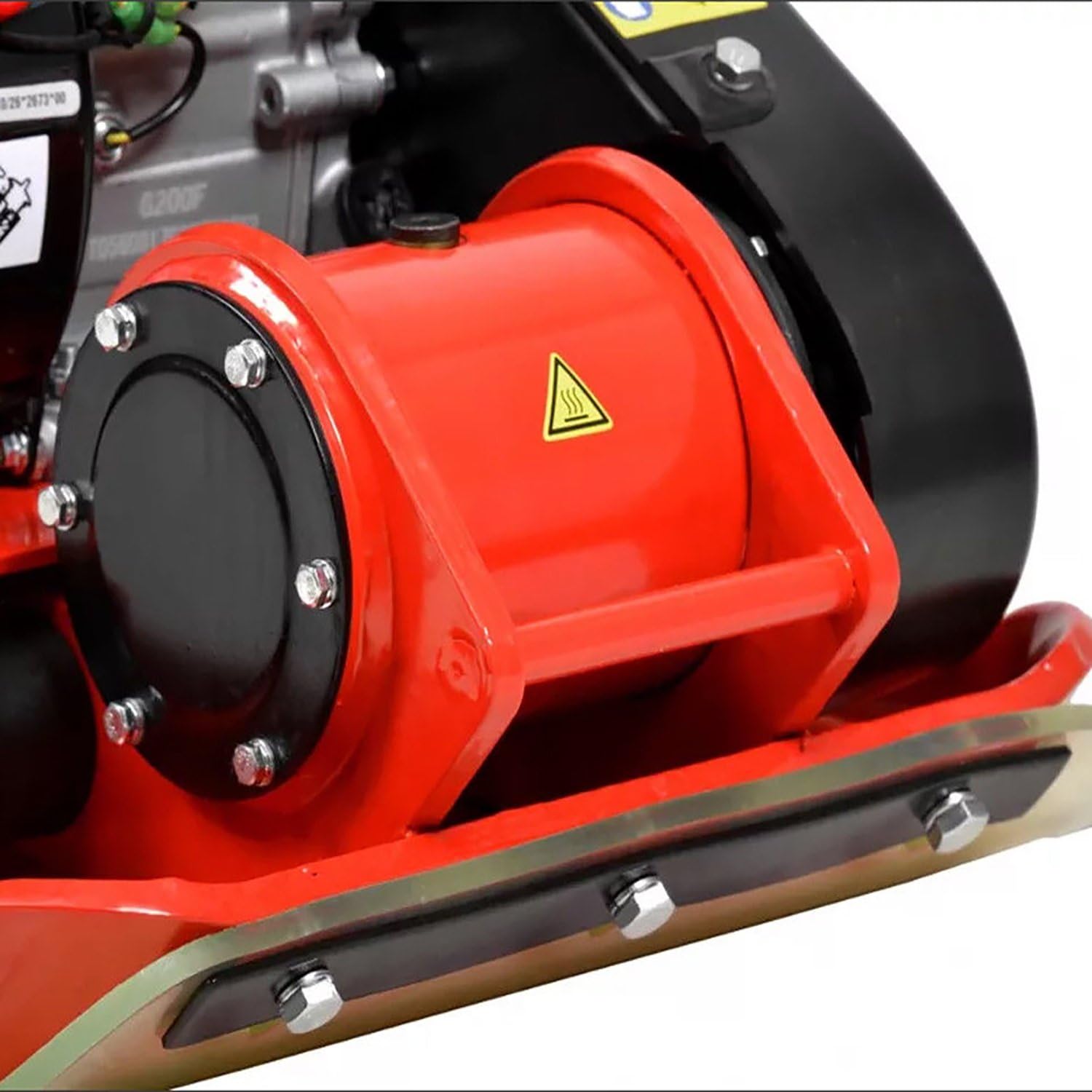
Figure 4.5: The robust vibratory plate and exciter unit, responsible for the compaction force. Note the attachment points for the rubber mat.
5. Setup and Assembly
The HECHT HEC-1114 comes largely pre-assembled. Follow these steps for initial setup:
- Unpacking: Carefully remove the compactor from its packaging.
- Handle Assembly: If the handle is folded for shipping, unfold it and secure it in the upright operating position. Ensure all locking pins or bolts are properly engaged.
- Fuel and Oil: Before first use, fill the engine with the recommended type and amount of engine oil (refer to engine manual for specifics). Fill the fuel tank with fresh, unleaded gasoline. Do not overfill.
- Transport Wheels: For operation, ensure the transport wheels are folded up and secured, so the vibratory plate rests directly on the ground. For transport, lower the wheels.
- Rubber Protection Mat: If compacting delicate surfaces like paving stones, attach the supplied rubber protection mat to the base plate to prevent scratches and damage. For gravel or uneven surfaces, operate without the mat.
6. Operation
Follow these steps for safe and effective operation of your compactor:
- Pre-Operation Check: Before starting, check engine oil level, fuel level, air filter cleanliness, and ensure all fasteners are tight.
- Starting the Engine:
- Ensure the compactor is on a level surface.
- Open the fuel valve.
- Set the choke lever to the "CHOKE" position (cold engine).
- Set the throttle lever to the "FAST" position.
- Pull the starter cord firmly until the engine starts.
- Once started, gradually move the choke lever to the "RUN" position.
- Compacting:
- Allow the engine to warm up for a few minutes.
- Guide the compactor slowly over the surface to be compacted. The machine will move forward due to its vibration.
- Overlap passes slightly to ensure uniform compaction.
- For deeper compaction, multiple passes may be required.
- Remember to use the rubber mat for paving stones and remove it for gravel or soil.
- Stopping the Engine:
- Move the throttle lever to the "SLOW" or "IDLE" position.
- Turn the engine switch to the "OFF" position.
- Close the fuel valve.
7. Maintenance
Regular maintenance ensures the longevity and optimal performance of your compactor. Always turn off the engine and allow it to cool before performing any maintenance.
- After Each Use:
- Clean the compactor thoroughly, removing dirt, debris, and compacted material from the plate and engine area.
- Inspect for any loose bolts, nuts, or damaged parts. Tighten or replace as necessary.
- Engine Oil:
- Check oil level before each use.
- Change engine oil after the first 5 hours of operation, then every 25-50 hours or annually, whichever comes first.
- Air Filter:
- Inspect and clean the air filter regularly, especially in dusty conditions.
- Replace the air filter if it is heavily soiled or damaged.
- Spark Plug:
- Inspect the spark plug annually or every 100 hours. Clean or replace if necessary.
- Fuel System:
- Drain the fuel tank and carburetor if storing for extended periods (over 30 days) to prevent fuel degradation.
8. Troubleshooting
This section provides solutions to common operational issues. For problems not listed here, contact qualified service personnel.
| Problem | Possible Cause | Solution |
|---|---|---|
| Engine does not start | No fuel; old fuel; spark plug issue; choke not set correctly; engine switch off | Fill with fresh fuel; clean/replace spark plug; adjust choke; turn engine switch ON |
| Loss of power during operation | Dirty air filter; low oil level; old fuel; carburetor issue | Clean/replace air filter; check/add oil; replace fuel; clean carburetor |
| Poor compaction results | Incorrect operating speed; surface too wet/dry; vibrator unit issue | Adjust speed; ensure optimal moisture content of material; contact service |
| Excessive vibration or noise | Loose fasteners; damaged vibrator mounts; worn bearings | Tighten all fasteners; inspect mounts; contact service for bearing replacement |
9. Specifications
| Model Number | HEC-1114 |
| Engine Type | 4-Stroke Gasoline Engine |
| Engine Power | 6.5 HP / 4.8 kW (at 3600 RPM) |
| Compaction Force | 20000 N |
| Working Plate Dimensions | 58 x 55 cm (22.8 x 21.7 inches) |
| Working Width | 550 mm (21.7 inches) |
| Operating Weight | 92 kg (202.8 lbs) |
| Transport Wheels Diameter | 120 mm (4.7 inches) |
| Dimensions (Packaged) | 70 x 53 x 50 cm (27.6 x 20.9 x 19.7 inches) |
10. Storage
Proper storage helps maintain the compactor's condition and extends its lifespan.
- Clean the compactor thoroughly before storage.
- For space-saving storage, the handle can be folded down.
- Store the compactor in a clean, dry, and well-ventilated area, away from direct sunlight and extreme temperatures.
- If storing for more than 30 days, drain the fuel tank and carburetor to prevent fuel degradation. Add a fuel stabilizer if draining is not possible.
- Remove the spark plug and pour a small amount of engine oil into the cylinder. Pull the starter cord a few times to distribute the oil, then reinstall the spark plug.
11. Warranty and Support
For warranty information, technical support, or spare parts, please refer to the warranty card included with your product or contact your authorized Hecht dealer or customer service. Keep your purchase receipt as proof of purchase.
For further assistance, visit the official Hecht website or contact their customer support channels.
Ask a question about this manual
Ask about setup, troubleshooting, compatibility, parts, safety, or missing instructions. Manuals+ will review the question and use this page’s manual context to help answer it.