
1. Introduction
This manual provides detailed instructions for the installation, operation, and maintenance of the YHTAUTO Electric Fuel Pump with Sending Unit. This product is designed to deliver consistent and powerful fuel flow to your vehicle's engine, ensuring smooth acceleration and improved responsiveness.
1.1 Vehicle Compatibility
This electric fuel pump is compatible with the following vehicle models:
- Ford Ranger 2004, 2006 L4 2.3L/V6 3.0L/V6 4.0L Petrol (117.4" or 117.6" Wheelbase)
- Ford Ranger 2005 L4 2.3L/V6 3.0L/V6 4.0L Petrol (117.5" Wheelbase)

Figure 1.1: YHTAUTO Electric Fuel Pump with Sending Unit. This image displays the complete fuel pump assembly, including the pump, sending unit, and associated wiring and hoses, along with a green O-ring gasket.
2. Safety Precautions
Always observe the following safety precautions when handling or installing the fuel pump:
- Disconnect Battery: Before beginning any work, disconnect the vehicle's negative battery terminal to prevent electrical shorts.
- Fuel Fumes: Work in a well-ventilated area. Fuel fumes are highly flammable and hazardous. Avoid open flames, sparks, or any ignition sources.
- Eye Protection: Always wear appropriate eye protection to shield against fuel splashes or debris.
- Gloves: Wear fuel-resistant gloves to protect your hands.
- Pressure Release: Relieve fuel system pressure before disconnecting any fuel lines. Refer to your vehicle's service manual for the specific procedure.
- Cleanliness: Ensure the work area and fuel tank opening are clean to prevent contaminants from entering the fuel system.
- Professional Assistance: If you are not confident or skilled in automotive repairs, it is highly recommended to consult with a professional technician for installation.

Figure 2.1: Safety Reminder. This image serves as a reminder to consult a professional technician if unsure about the replacement process and to take necessary safety precautions.
3. Product Components
The YHTAUTO Electric Fuel Pump with Sending Unit is a complete module assembly designed for direct replacement. Key components include:
- Electric Fuel Pump: Responsible for drawing fuel from the tank and delivering it to the engine.
- Fuel Sending Unit: Measures the fuel level in the tank and sends this information to the vehicle's fuel gauge.
- Fuel Strainer/Filter: Prevents debris from entering the fuel pump and lines.
- Float Arm: Part of the sending unit, which moves with the fuel level.
- Electrical Connector: Provides power to the pump and transmits fuel level signals.
- Fuel Lines/Hoses: Connect the pump to the vehicle's fuel system.
The fuel pump is constructed from durable and fatigue-resistant POM (Polyoxymethylene) material, ensuring a long service life and quiet running performance.

Figure 3.1: Angled view of the fuel pump assembly, showing the pump, sending unit, and various connections.

Figure 3.2: Another angled perspective of the fuel pump assembly, highlighting its structural components.
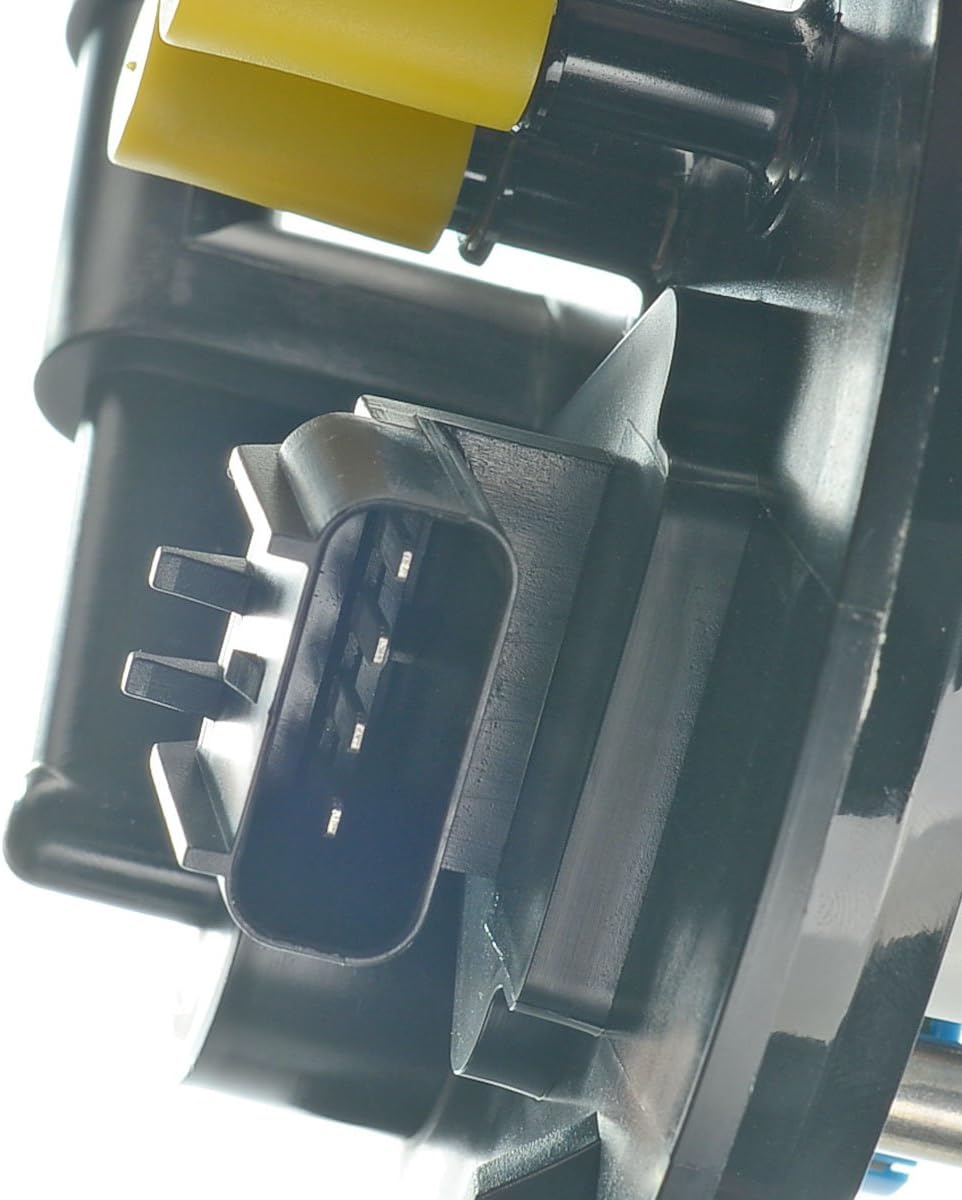
Figure 3.3: Close-up view of the electrical connector on the fuel pump assembly, showing the pin configuration.

Figure 3.4: Close-up view of the fuel sending unit's float arm and sensor mechanism.
4. Installation Guide
The YHTAUTO Electric Fuel Pump is designed for easy installation and maintenance. The connectors are engineered for simple plug-in and secure fitting. The assembly can be easily removed from the fuel tank for inspection or replacement.
4.1 General Installation Steps (Consult Vehicle Service Manual for Specifics)
- Prepare Vehicle: Park the vehicle on a level surface. Engage the parking brake. Disconnect the negative battery terminal.
- Access Fuel Tank: Depending on your Ford Ranger model, you may need to lower or remove the truck bed to access the fuel tank. Common tools for this include a 7mm socket for the filler neck and a 55mm Torx socket for bed bolts.
- Relieve Fuel Pressure: Follow your vehicle's service manual to safely relieve fuel system pressure.
- Clean Tank Area: Thoroughly clean the top of the fuel tank assembly and surrounding area to prevent dirt and debris from entering the fuel tank when the old pump is removed.
- Disconnect Components: Disconnect electrical connectors and fuel lines from the old fuel pump assembly. Note that fuel lines often have color-coded push-button release mechanisms.
- Remove Old Pump: Carefully remove the locking ring that secures the fuel pump assembly to the tank. Once the ring is off, gently lift the old fuel pump assembly out of the tank. Be cautious not to damage the fuel level float arm or spill fuel.
- Install New Pump: Ensure the new O-ring gasket is properly seated. Carefully insert the new YHTAUTO fuel pump assembly into the fuel tank opening, aligning it correctly. Secure it with the locking ring.
- Reconnect Components: Reconnect all fuel lines and electrical connectors. Ensure all connections are secure and free of leaks.
- Final Checks: Reconnect the negative battery terminal. Turn the ignition to the 'ON' position (without starting the engine) for a few seconds to allow the fuel pump to prime the system. Check for any fuel leaks.
- Test Operation: Start the engine and check for proper operation and any warning lights.

Figure 4.1: Simplified diagram of a vehicle's fuel system, illustrating the location of the fuel pump within the fuel tank.
5. Operating Principles
Once installed, the YHTAUTO Electric Fuel Pump operates automatically as part of your vehicle's fuel delivery system. Its primary functions include:
- Fuel Delivery: The pump draws fuel from the tank and delivers it under pressure to the fuel injection system, ensuring a consistent supply to the engine.
- Engine Start: Electric fuel pumps quickly build up fuel pressure in the lines, facilitating easier engine starts, especially in cold weather conditions.
- Performance: A properly functioning fuel pump supports the engine's power output, contributing to optimal vehicle performance and responsiveness.
6. Maintenance
The YHTAUTO Electric Fuel Pump with Sending Unit is designed for durability and minimal maintenance. As a sealed unit within the fuel tank, it generally does not require routine servicing. However, consider the following for optimal fuel system health:
- Fuel Filter: Regularly check and replace your vehicle's external fuel filter (if applicable) according to the manufacturer's recommendations. A clogged fuel filter can strain the fuel pump.
- Fuel Quality: Use high-quality fuel to prevent contaminants and deposits from building up in the fuel system, which can affect pump performance.
- Avoid Running on Low Fuel: Consistently running your vehicle with very low fuel levels can cause the fuel pump to overheat, as fuel acts as a coolant for the pump motor.
- Inspect for Leaks: Periodically check fuel lines and connections for any signs of leaks or damage.
7. Troubleshooting Common Issues
A malfunctioning fuel pump can exhibit several symptoms. If you experience any of the following, it may indicate an issue with your fuel pump or fuel delivery system:
- Car Sputters at High Speeds: Insufficient fuel delivery at higher demands.
- Loss of Power While Accelerating: Engine is not receiving enough fuel under load.
- Sudden and Unexplained Power Surges: Inconsistent fuel pressure.
- Difficulty or Failure to Start: No fuel pressure or insufficient pressure to start the engine.
- Low Gas Mileage: Inefficient fuel delivery or incorrect fuel pressure.
- Whining Noise From the Fuel Tank: An unusually loud or distinct whining sound from the rear of the vehicle, particularly when the ignition is on, can indicate a failing fuel pump.
If you encounter these symptoms, it is recommended to have your vehicle diagnosed by a qualified mechanic. They can perform pressure tests and electrical checks to confirm the issue.

Figure 7.1: Visual guide to common symptoms indicating a malfunctioning fuel pump.
8. Technical Specifications
| Brand | YHTAUTO |
| Model Number | YHTFP0134 |
| Fit Type | Vehicle Specific Fit |
| Vehicle Service Type | Truck |
| Item Weight | 1.47 Kilograms (3.24 pounds) |
| Style | For models with 117.4" or 117.6" Wheelbase |
| Auto Part Position | Rear |
| Body Material | Metal |
| Inlet Connection Type | Hose Barb |
| Gas Type | Gasoline |
| Mounting Type | Tank Mount |
| Operation Mode | Electric |
| Product Grade | New |
| OEM Part Numbers | 5L5Z-9H307BA, 6L5Z-9H307BA, P76123M |
| UPC | 700401308001 |
9. Warranty and Support
For specific warranty information regarding your YHTAUTO Electric Fuel Pump with Sending Unit, please refer to the documentation provided at the time of purchase or contact the seller directly. Warranty terms typically cover manufacturing defects and material flaws.
9.1 Customer Support
For technical assistance, installation queries, or any other support needs, please contact YHTAUTO customer service through their official channels or the retailer from whom the product was purchased. You can visit the official YHTAUTO store for more information: YHTAUTO Store.