
Delphi TC3665
Delphi TC3665 Suspension Ball Joint User Manual
Model: TC3665
1. Product Overview
The Delphi TC3665 Suspension Ball Joint is engineered to meet the rigorous standards of original equipment (OE) for performance and longevity. This component undergoes extensive dimensional and material analysis to ensure optimal compatibility with both OE and aftermarket parts. Designed for durability, it is tested to perform reliably in extreme temperatures, ranging from below -40°C to over 120°C. Each part is treated with 720 hours of salt spray exposure for superior corrosion protection, complemented by an additional cataphoretic coating for enhanced aesthetics and further protection.

Figure 1.1: The Delphi TC3665 Suspension Ball Joint, including the main joint assembly, castle nut, cotter pin, and retaining ring.
2. What's in the Box
Upon opening the package, you will find the following components:
- One (1) Delphi TC3665 Suspension Ball Joint assembly, which typically includes the ball joint, castle nut, cotter pin, and retaining ring.

Figure 2.1: A detailed view of the Delphi TC3665 Suspension Ball Joint, highlighting its robust construction and protective boot.
3. Installation Guidelines
Installation of suspension components, including ball joints, requires specialized tools and knowledge. It is highly recommended that this procedure be performed by a qualified automotive technician to ensure proper fitment, safety, and vehicle alignment.
3.1. Safety Precautions
- Always wear appropriate personal protective equipment (PPE), including safety glasses and gloves.
- Ensure the vehicle is securely supported on jack stands or a lift before beginning any work.
- Refer to the vehicle manufacturer's service manual for specific torque specifications and procedures.
- Never work under a vehicle supported only by a jack.
3.2. General Installation Steps (Consult Vehicle Manual for Specifics)
- Safely lift and support the vehicle.
- Remove the wheel and tire assembly.
- Disconnect any components obstructing access to the old ball joint (e.g., brake caliper, steering knuckle).
- Remove the old ball joint using appropriate removal tools (e.g., ball joint press, pickle fork).
- Clean the mounting area thoroughly.
- Install the new Delphi TC3665 ball joint, ensuring proper orientation and seating.
- Secure the ball joint with the provided hardware, tightening to the vehicle manufacturer's specified torque.
- Reassemble all disconnected components.
- Perform a wheel alignment after installation to ensure proper vehicle handling and tire wear.

Figure 3.1: An angled perspective of the Delphi TC3665 Ball Joint, showcasing the stud and boot design.
4. Performance Characteristics
The Delphi TC3665 Suspension Ball Joint is a critical component in your vehicle's steering and suspension system. It allows for pivotal movement between the steering knuckle and the control arm, enabling the wheels to turn and the suspension to articulate smoothly. Key performance characteristics include:
- Durability: Manufactured with high-quality forgings for increased strength and smooth operation.
- Protection: Utilizes chloroprene rubber boots to improve durability and prevent premature failure from contaminants.
- Precision: Machined to micron tolerances to guarantee smooth joint operation and extended lifespan.
- Corrosion Resistance: Features optimum surface prevention and enhanced aesthetics through protective coatings.
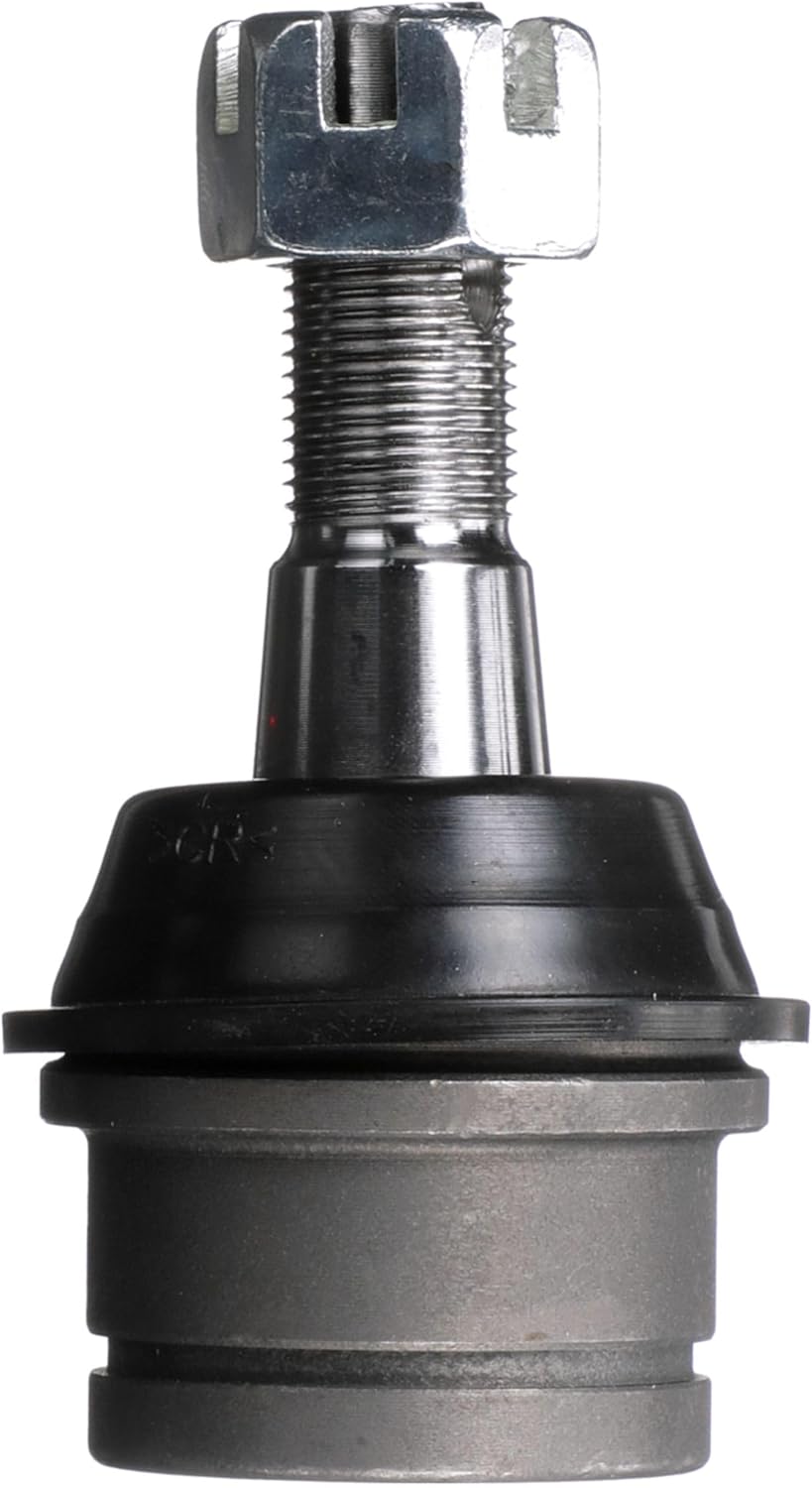
Figure 4.1: Side profile of the Delphi TC3665 Ball Joint, illustrating the overall dimensions and boot placement.
5. Maintenance
Ball joints are designed to be largely maintenance-free due to their sealed construction. However, regular inspection is crucial for ensuring their longevity and your vehicle's safety.
5.1. Inspection Schedule
- Inspect ball joints during routine vehicle maintenance, such as tire rotations or oil changes.
- Look for signs of wear, such as torn or cracked rubber boots, excessive play in the joint, or unusual noises (e.g., clunking, popping) when driving over bumps or turning.
5.2. Cleaning
Keep the area around the ball joint clean to prevent accumulation of dirt and debris that could compromise the boot's integrity.
6. Troubleshooting
If you suspect an issue with your suspension ball joint, consider the following common symptoms and potential causes. Always consult a qualified mechanic for diagnosis and repair.
| Symptom | Possible Cause | Action |
|---|---|---|
| Clunking or popping noise from suspension | Worn or loose ball joint | Inspect ball joint for play; professional replacement may be required. |
| Excessive play in steering wheel | Worn ball joint or other steering/suspension components | Have suspension system inspected by a professional. |
| Uneven tire wear | Worn ball joint affecting alignment | Inspect ball joints and perform wheel alignment after any necessary replacements. |
| Vehicle pulling to one side | Damaged or worn ball joint affecting alignment | Professional inspection and alignment recommended. |
7. Specifications
| Attribute | Detail |
|---|---|
| Manufacturer | Delphi |
| Brand | Delphi |
| Model | Suspension Ball Joint |
| Item Model Number | TC3665 |
| Manufacturer Part Number | TC3665 |
| OEM Part Numbers | 5012432AA, 68004085AA, K3134T, K3185 |
| Item Weight | 1.22 pounds |
| Product Dimensions | 4.1 x 4 x 5 inches |
| Exterior Finish | Machined |
| Position | Rear |
| First Available Date | June 18, 2018 |
8. Warranty and Support
Please note the following regarding warranty for Delphi products purchased through Amazon:
Delphi products purchased through, from, or on Amazon do not qualify for Delphi’s standard LIMITED warranty. When purchased through, from, or on Amazon, any warranty on this product is offered by and is the sole responsibility of the seller identified on the shipment details of your order. Please review all warranties carefully and contact the identified seller for all warranty details and claims.
For product support or technical inquiries not related to warranty claims, you may visit the official Delphi website or contact their customer service channels as available.
Ask a question about this manual
Ask about setup, troubleshooting, compatibility, parts, safety, or missing instructions. Manuals+ will review the question and use this page’s manual context to help answer it.