
1. Product Overview
The NGK BPMR8Y, 2218 Spark Plug is a V-Power series spark plug designed for reliable ignition in various automotive engines, including cars and trucks. Spark plugs are critical components in gasoline engines, responsible for igniting the air-fuel mixture in the combustion chamber, which drives the engine's pistons.
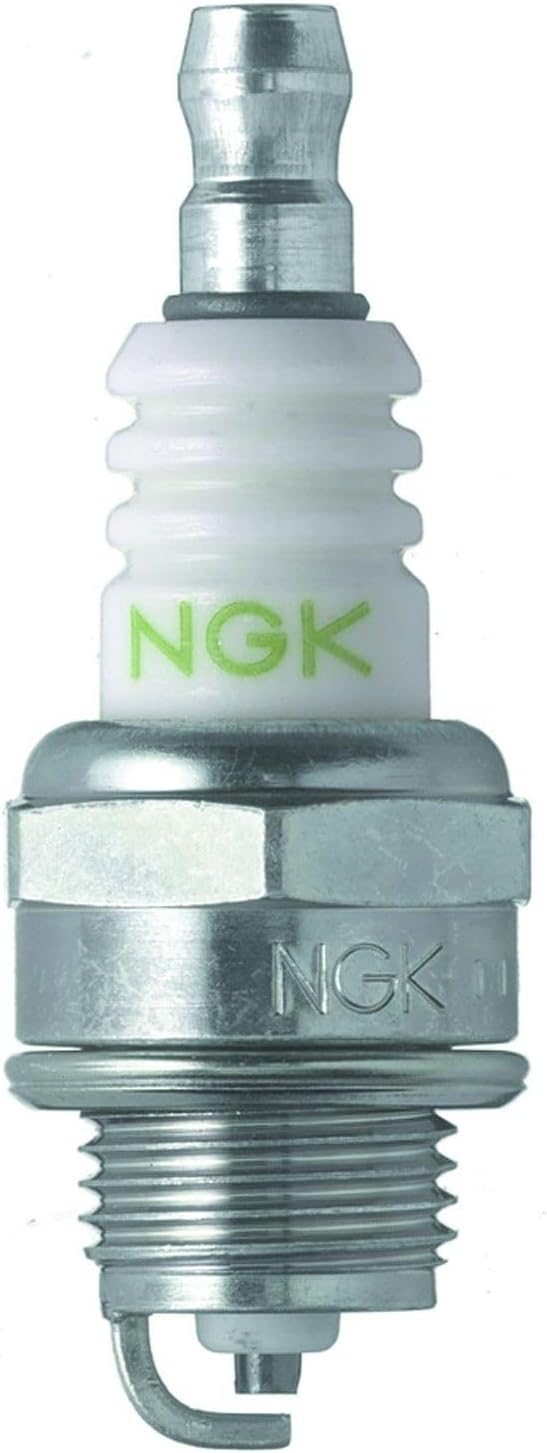
A close-up view of the NGK BPMR8Y, 2218 V-Power spark plug, showing its white ceramic insulator, metal shell with 'NGK' branding, and the electrode tip. This image illustrates the typical design of the spark plug.
This genuine NGK spark plug is engineered for durability and consistent performance, contributing to efficient fuel combustion and engine operation.
2. Important Safety Information
- Always ensure the engine is completely cool before attempting to remove or install spark plugs to prevent burns and damage to the engine's cylinder head threads.
- Disconnect the vehicle's battery before working on the ignition system to avoid electrical shock.
- Wear appropriate personal protective equipment, including safety glasses and gloves, to protect against debris and chemicals.
- Handle spark plugs carefully. Dropping a spark plug can damage the insulator or electrode, leading to misfires or engine damage.
- Keep spark plugs and related tools out of reach of children.
3. Setup and Installation
Proper installation is crucial for optimal performance and longevity of your spark plugs. Refer to your vehicle's service manual for specific instructions and torque specifications.
- Verify Compatibility: Confirm that the NGK BPMR8Y, 2218 spark plug is the correct type for your vehicle's make, model, and engine. Incorrect spark plugs can lead to poor performance or engine damage.
- Gather Tools: You will typically need a spark plug socket (usually 5/8 inch or 13/16 inch), a ratchet, an extension, a torque wrench, and a gap gauge.
- Access Spark Plugs: Locate the spark plugs on your engine. This may involve removing engine covers, air intake components, or ignition coils.
- Remove Old Plugs: Carefully disconnect the spark plug wires or ignition coils. Use the spark plug socket and ratchet to loosen and remove the old spark plugs. Inspect the old plugs for signs of wear or engine issues.
- Check Gap (if necessary): While NGK spark plugs are typically pre-gapped, it is good practice to verify the gap using a wire-type gap gauge. Adjust the gap carefully by bending the ground electrode if needed, ensuring not to damage the center electrode. Refer to your vehicle's manual for the correct gap specification.
- Install New Plugs: Thread the new NGK BPMR8Y, 2218 spark plugs into the cylinder head by hand to prevent cross-threading. Once hand-tight, use a torque wrench to tighten them to the manufacturer's specified torque. Overtightening can damage the spark plug or cylinder head threads, while undertightening can lead to compression leaks.
- Reconnect Components: Reattach the spark plug wires or ignition coils, ensuring they are securely connected. Reinstall any removed engine covers or components.
4. Operating Principles
The NGK BPMR8Y, 2218 spark plug functions by creating an electrical spark across its electrodes. When high voltage is supplied by the ignition coil, it jumps the gap between the center and ground electrodes, igniting the compressed air-fuel mixture in the engine's cylinder. This controlled explosion pushes the piston, generating power. The V-Power design of this spark plug enhances ignitability and reduces misfires, contributing to smoother engine operation and improved fuel efficiency.
5. Maintenance
Regular inspection and timely replacement of spark plugs are essential for maintaining engine performance and fuel economy.
- Inspection: Periodically inspect your spark plugs for signs of wear, fouling (carbon deposits, oil, or fuel), or damage to the electrodes. The condition of the spark plug can indicate other engine issues.
- Replacement Interval: Follow your vehicle manufacturer's recommended spark plug replacement schedule. While NGK V-Power plugs offer extended life compared to conventional plugs, adherence to the service interval is important.
- Gap Check: If inspecting older plugs, re-check the gap. Over time, the gap can widen due to electrode erosion, affecting ignition performance.
- Cleaning: Generally, cleaning spark plugs is not recommended as it can damage the electrodes or insulator. Replacement is usually the better option if plugs are fouled.
6. Troubleshooting
If you experience engine performance issues, spark plugs can often be a contributing factor. Here are common symptoms and potential solutions related to spark plugs:
| Symptom | Possible Cause (Spark Plug Related) | Solution |
|---|---|---|
| Engine Misfire / Rough Idling | Fouled, worn, or incorrectly gapped spark plug; cracked insulator. | Inspect and replace spark plugs. Verify correct gap. |
| Poor Fuel Economy | Worn spark plugs leading to inefficient combustion. | Replace spark plugs at recommended intervals. |
| Hard Starting | Weak spark due to worn or fouled spark plugs. | Inspect and replace spark plugs. |
| Engine Hesitation / Lack of Power | Inconsistent spark delivery from faulty spark plugs. | Check spark plugs for damage or wear; replace as needed. |
If troubleshooting these issues does not resolve the problem, consult a qualified mechanic as other engine components may be involved.
7. Specifications
Key specifications for the NGK BPMR8Y, 2218 Spark Plug:
- Brand: NGK
- Model Number: BPMR8Y, 2218
- Core Material: Nickel
- Thread Size: 14 millimeters
- Top Material Type: Nickel
- Vehicle Service Type: Car, Truck
- Item Weight: 2.24 ounces
- Product Dimensions: 3.07 x 0.94 x 1.68 inches
- Manufacturer Part Number: 2218
- UPC: 639440904847
8. Warranty and Support
For specific warranty information regarding the NGK BPMR8Y, 2218 Spark Plug, please refer to the official NGK website or contact NGK customer support directly. Warranty terms typically cover manufacturing defects. Always retain your proof of purchase.
For technical assistance or further inquiries, please visit the official NGK website or consult with an authorized NGK dealer or automotive professional.


