1. Introduction
This manual provides comprehensive instructions for the installation, operation, and maintenance of your GLACIER FRESH 0.2 Micron 3-Stage RV Water Filtration System. Please read this manual thoroughly before use to ensure proper function and longevity of your system. This system is designed to provide cleaner, better-tasting water for RVs, campers, and boats.
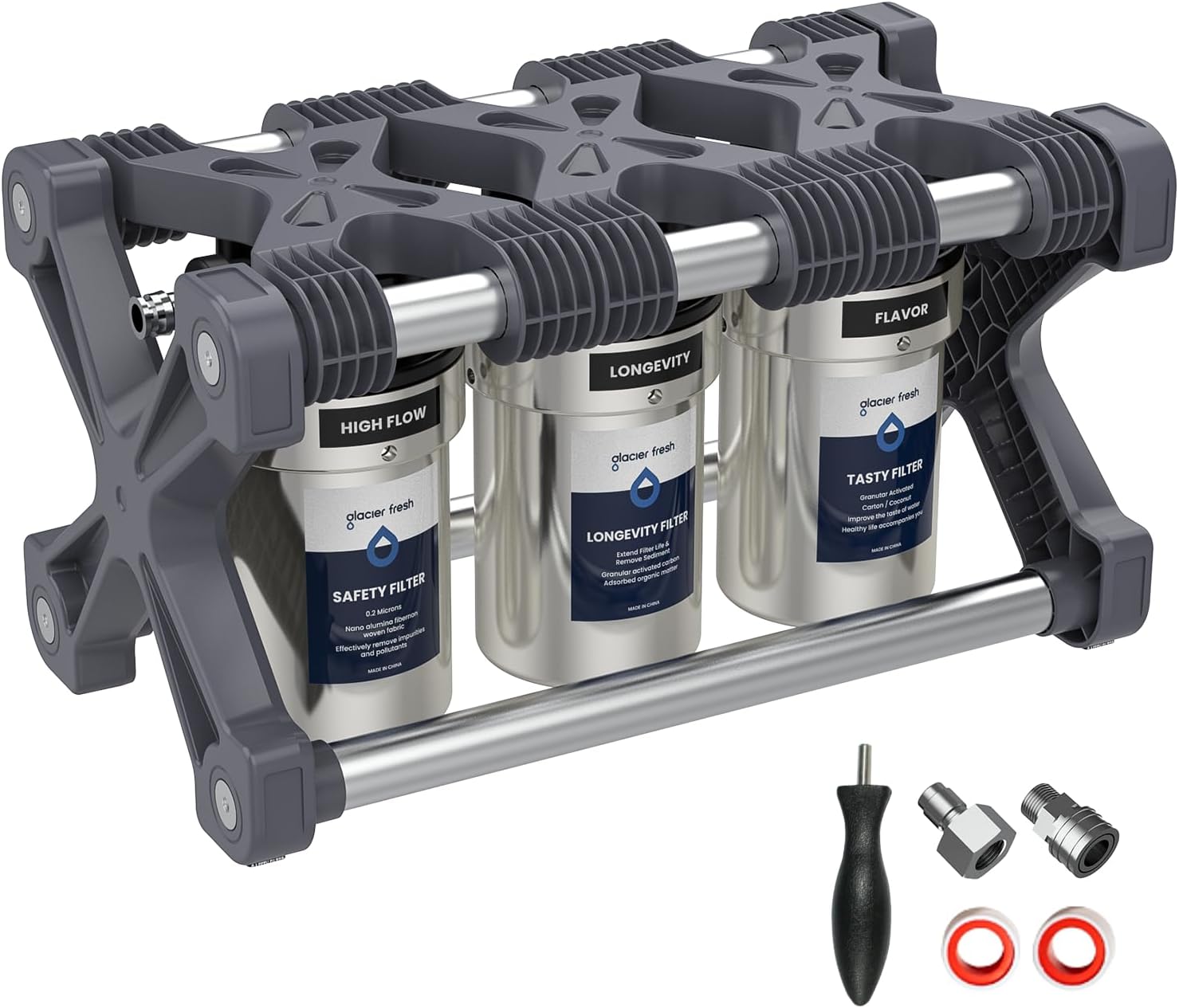
Figure 1: GLACIER FRESH 3-Stage RV Water Filtration System
2. Key Features
- Trusted Filtration: Features a 0.2-micron high-flow filter, a charcoal/coconut shell carbon filter for taste improvement, and a sediment filter to extend filter life. Smaller micron size ensures greater filtration efficiency.
- Designed For RVs: Includes stainless steel Garden Hose Quick Connects for easy connection to city or well water sources at any campground.
- Mobile Water Filter: Ideal for RV campers, travel trailers, camper vans, and boating, providing 3-4 months of cleaner source water with the sediment pre-filter.
- Superior Performance: Outperforms many multi-stage or RV inline water filters, effectively reducing particulates commonly found in well water and city water, including very small submicron particles.
- Compact and Lightweight: Features an ultra-lightweight polycarbonate carbon fiber frame and compact 5-inch filters. Operating temperatures: 40°F-125°F.
3. Components Overview
The GLACIER FRESH RV Water Filtration System includes the following main components:
- Polycarbonate Carbon Fiber Frame
- Stainless Steel Filter Housings
- 0.2 Micron "High Flow" Filter (Safety Filter)
- Charcoal/Coconut Shell Activated Carbon "Tasty" Filter (Flavor Filter)
- Sediment "Longevity" Filter (Prefilter)
- Stainless Steel Garden Hose Quick Connects

Figure 2: System Components
4. Setup and Installation
Follow these steps to properly set up and install your GLACIER FRESH RV Water Filtration System:
- Unpack Components: Carefully remove all components from the packaging.
- Assemble Quick Connects: The garden hose quick connector can be disassembled. Press the iron ring in the middle of part A to connect it to the outlet of the RV filtration system body. Connect part B to the water inlet.
- Connect to Water Source: Find the water pipe and align it with the faucet. Clamp and tighten it. Connect the other end to the water inlet of the RV filtration system body and adjust it to prevent water leakage.
- Ensure Proper Water Flow: Always use a water pressure regulator to ensure pressure does not exceed 60 PSI (4.1 Bar). Install between the faucet and the filter with water flowing in the direction of the arrow indicated on the filter.
- Flush Filter: Before first use, flush the filter with water for one minute to remove carbon fines.
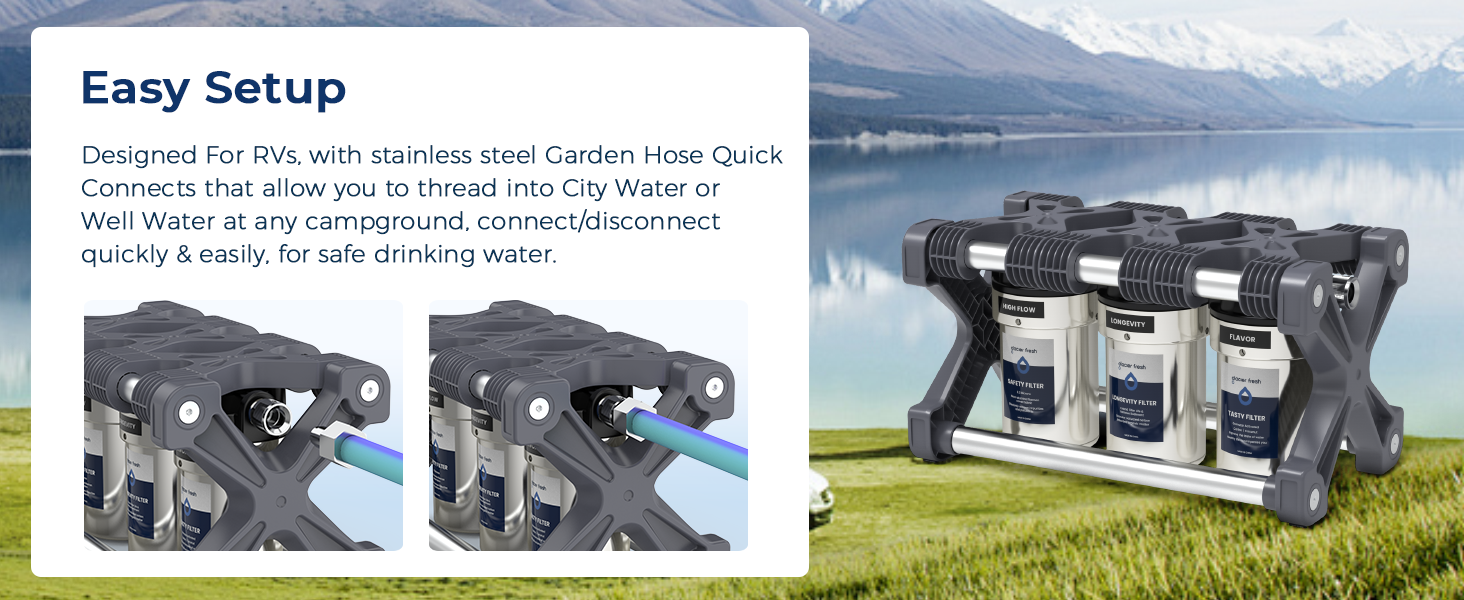
Figure 3: Installation Diagram

Figure 4: Easy Setup with Quick Connects
Installation Video Guide:
Video 1: How to install the GLACIER FRESH RV Water Filter System. This video demonstrates the step-by-step process of connecting the filtration system to your RV's water supply.
Video 2: RV Water Filter System Installation Notes. This video provides additional tips and considerations for installing your RV water filter system.
5. Operating Instructions
Once installed, the GLACIER FRESH RV Water Filtration System operates automatically as water flows through it. Ensure all connections are secure and leak-free before turning on the water supply. The system is designed for continuous use within the specified operating temperature range.
System Overview Video:
Video 3: GLACIER FRESH Technology RV Water Filtration System. This video offers a general overview of the system and its benefits.
6. Maintenance
Regular maintenance ensures optimal performance and water quality. The sediment pre-filter typically lasts 3-4 months, depending on water quality and usage. Replace filters when water flow slows significantly or when an undesirable taste or odor appears.
Filter Replacement:
- Turn off the water supply to the filtration system.
- Relieve any pressure in the system by opening a nearby faucet.
- Unscrew the filter housings using the provided wrench (if applicable) or by hand.
- Remove the old filters and dispose of them properly.
- Insert new GLACIER FRESH replacement filters into their respective housings. Ensure they are seated correctly.
- Screw the filter housings back on tightly.
- Slowly turn on the water supply and check for leaks. Flush the system for a few minutes to remove any air and carbon fines.
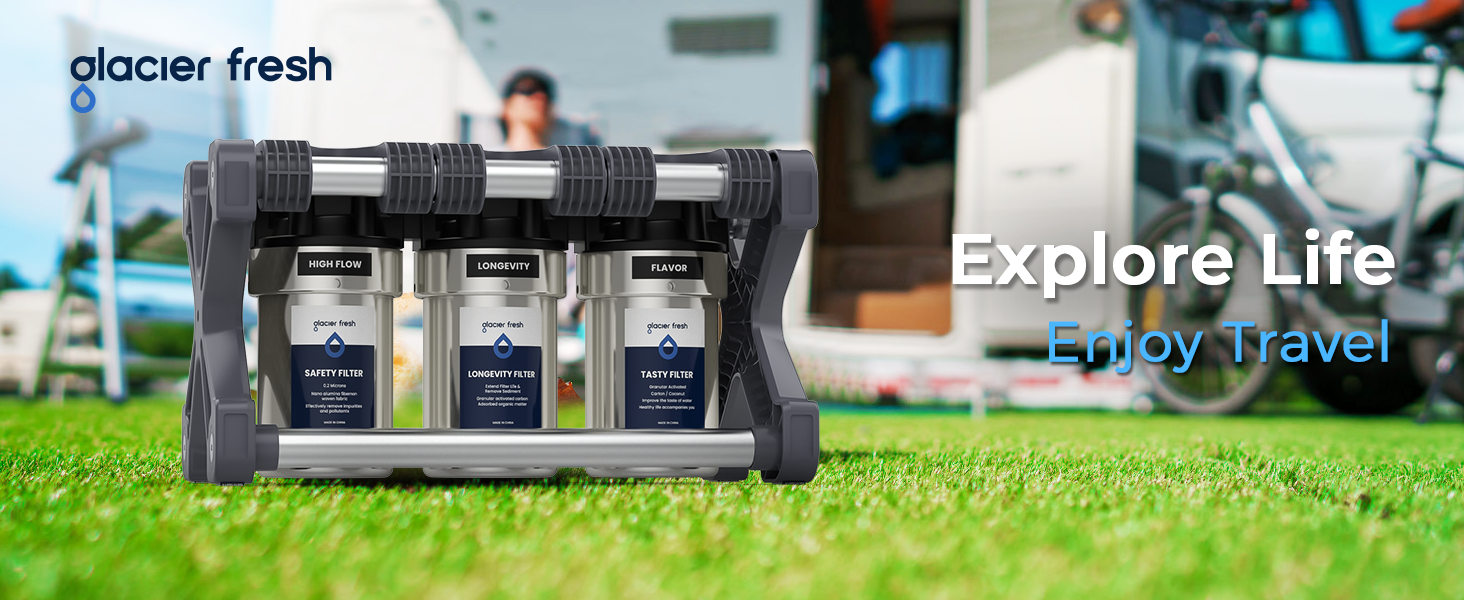
Figure 5: Three-Stage Water Filtration
7. Troubleshooting
Leaking Connections:
If you experience leaks, particularly from the inlet or outlet connectors, follow these steps:
- Check Threading: Ensure all connections are threaded correctly and not cross-threaded.
- Apply PTFE Tape: Disconnect the leaking fitting. Apply a sufficient amount of PTFE (Teflon) tape to the threads. Ensure enough tape is used to fill any gaps without causing binding.
- Inspect O-Rings/Gaskets: Verify that all O-rings and gaskets are properly seated and not damaged. Replace if necessary.
- Tighten Carefully: Tighten connections firmly by hand, then give a slight additional turn with a wrench if needed. Avoid overtightening, as this can distort seals and cause further leaks.
- Pressure Regulator: Always ensure a pressure regulator is installed on the inlet side of the system to prevent excessive water pressure, which can contribute to leaks.
8. Specifications
| Feature | Detail |
|---|---|
| Brand | GLACIER FRESH |
| Model Name | GLACIER FRESH |
| Special Feature | Chlorine Reduction |
| Product Dimensions | 13.58"L x 8.26"W x 16.53"H |
| Installation Type | Standard Connection |
| Power Source | Manual/Gravity Fed |
| Upper Temperature Rating | 125 Degrees Fahrenheit |
| Item Weight | 10.21 pounds |
| Material | Plastic |
| Purification Method | Carbon Block, Carbon Spun Fiber |
9. Usage Scenarios
The GLACIER FRESH RV Water Filtration System is versatile and suitable for various mobile water applications:
- RVs and Campers: Provides clean drinking water for all your recreational vehicle needs.
- Travel Trailers: Ensures filtered water supply during your travels.
- Boats and Yachts: Ideal for marine applications where access to potable water is essential.
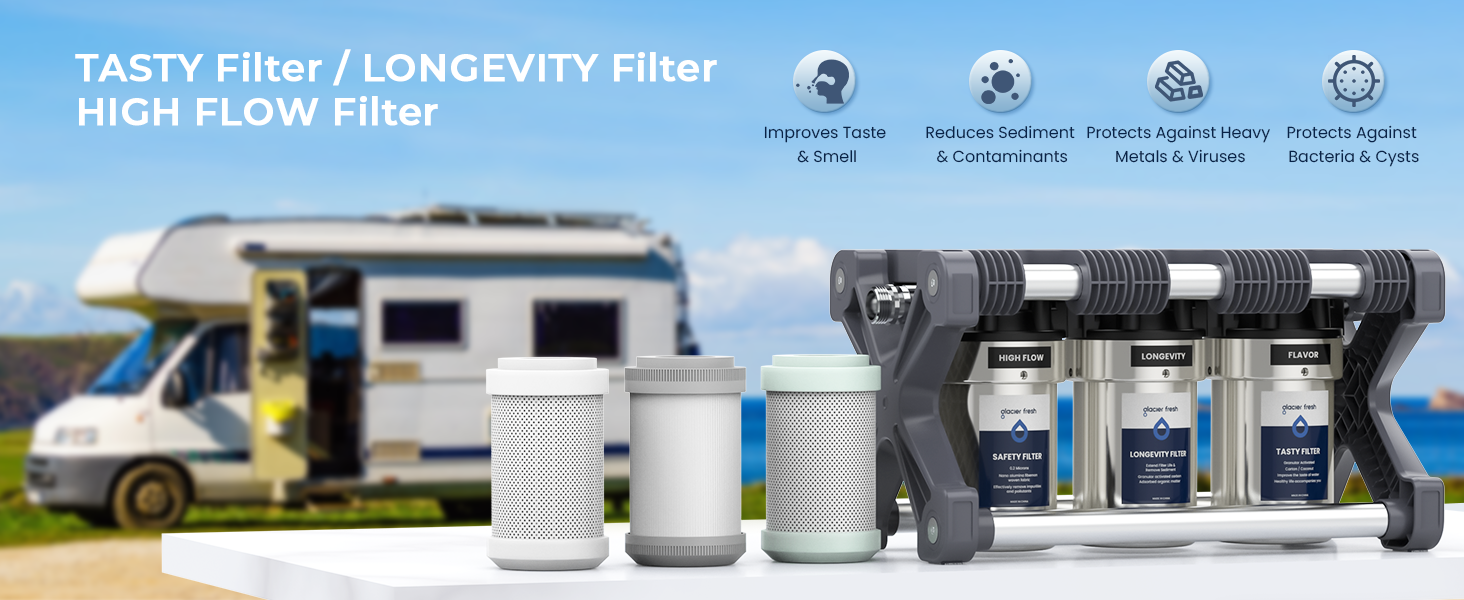
Figure 6: Suitable Usage Scenarios


