
1. Overview
This manual provides essential information for the proper use, installation, and maintenance of Hicello DB*1 Industrial Sewing Machine Needles. These needles are designed for industrial lockstitch sewing machines, including models from JUKI DDL-555, Singer, and Brother, ensuring reliable performance for various sewing tasks.

Figure 1: A set of ten Hicello DB*1 industrial sewing machine needles, size 7/55.
2. Product Features
- Needle Model: DBx1
- Size: 7/55 (This specific product variant)
- Length: Approximately 37mm (1.46 inches)
- Compatibility: Designed for Industrial Lockstitch Sewing Machines (e.g., JUKI DDL-555, Singer, Brother)
- Point Type: Ball Point
- Compatible Materials: Suitable for Polyester, Silk, Faux Leather, Nylon, Rayon, Leather, Linen, Cotton, Suede, Wool, Acrylic.

Figure 2: Needles shown in context with various sewing applications.
3. Setup and Installation
Proper installation of sewing machine needles is crucial for optimal performance and to prevent damage to your machine or fabric. Always refer to your sewing machine's specific instruction manual for detailed needle installation procedures.
- Power Off: Before attempting to change the needle, ensure your sewing machine is turned off and unplugged from the power source for safety.
- Remove Old Needle: Loosen the needle clamp screw (usually located on the needle bar) and carefully remove the old needle. Dispose of old needles safely.
- Insert New Needle: Insert the new DB*1 needle into the needle clamp with the flat side of the needle shank facing the back of the machine (or as specified by your machine's manual). Push the needle up as far as it will go.
- Tighten Clamp: While holding the needle in place, tighten the needle clamp screw securely. Do not overtighten.
- Test: Plug in and power on your machine. Manually turn the handwheel a few times to ensure the needle moves freely and does not strike any part of the machine.

Figure 3: Individual needles ready for installation.
4. Operating Instructions
Once installed, these industrial needles are ready for use with compatible fabrics and threads. The ball point tip is designed to push fabric fibers apart rather than piercing them, making them ideal for knits and some woven materials to prevent damage.
- Thread Compatibility: Use appropriate thread sizes for the needle size (7/55). Generally, finer threads are used with smaller needles.
- Fabric Selection: These needles are versatile and can handle a wide range of materials as listed in the features section. For very delicate or very heavy materials, ensure the needle size is appropriate.
- Machine Settings: Adjust your machine's tension, stitch length, and presser foot pressure according to the fabric type and desired stitch.
- Regular Checks: Periodically check the needle for signs of bending, burrs, or dullness during extended sewing sessions.

Figure 4: Close-up of needle construction details.
5. Maintenance and Care
Proper care extends the life of your needles and ensures consistent sewing quality.
- Regular Replacement: Needles should be replaced regularly, typically after 8-10 hours of sewing or at the start of a new project, especially when working with different fabric types.
- Inspect for Damage: Before each use, inspect the needle for any signs of bending, burrs, or a dull tip. A damaged needle can cause skipped stitches, fabric damage, or even break.
- Storage: Store unused needles in their original packaging or a dedicated needle case to protect them from damage and moisture. Keep them away from children.
- Cleaning: If lint or debris accumulates on the needle, gently wipe it clean with a soft cloth.
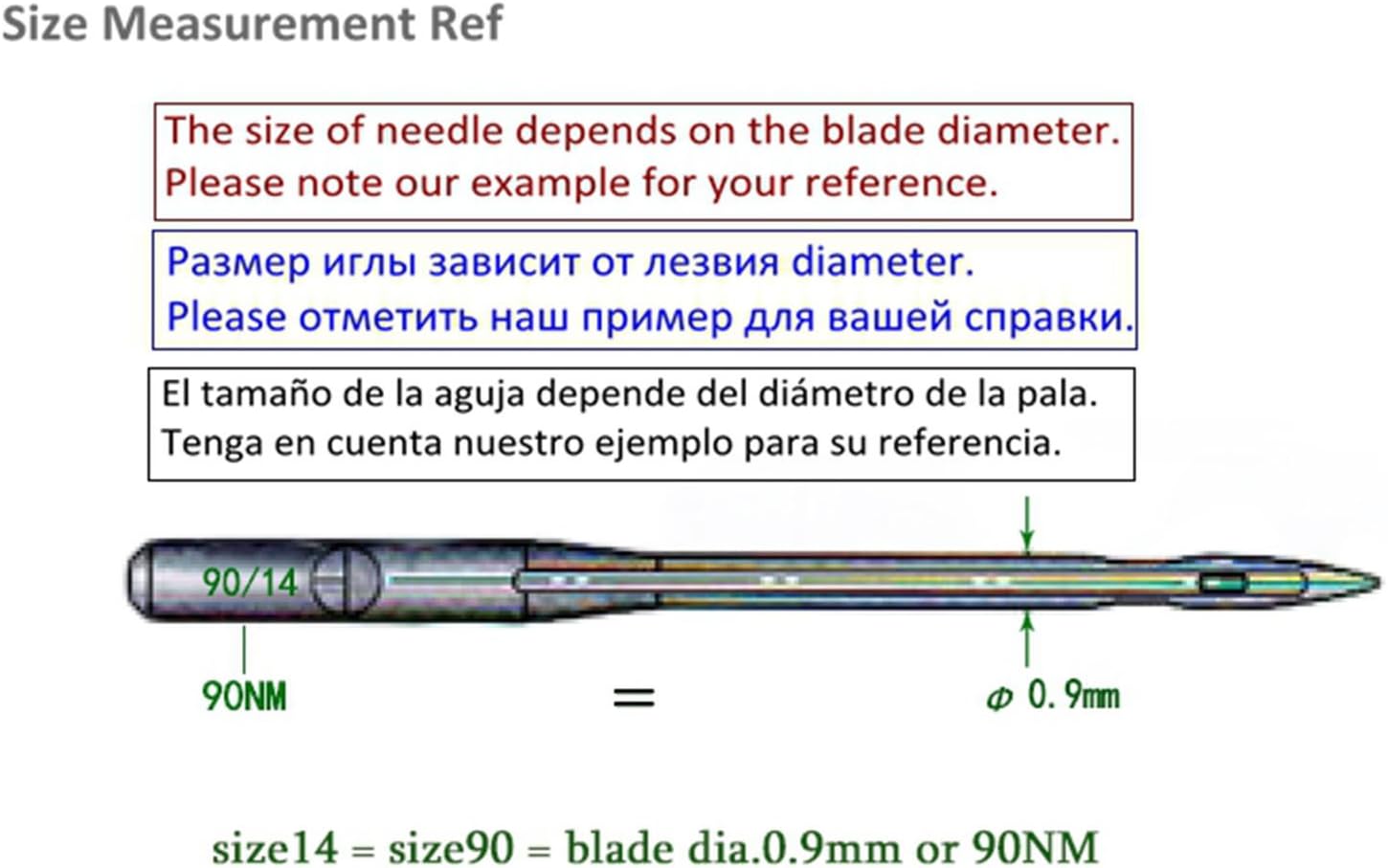
Figure 5: Needles in their packaging for safe storage.
6. Troubleshooting
Many common sewing issues can be related to the needle. Consider the following if you encounter problems:
- Skipped Stitches: Often caused by a bent, dull, or incorrectly inserted needle. Replace the needle and ensure it is inserted correctly with the flat side facing the back.
- Fabric Pulling or Snagging: A dull or burred needle can snag fabric. Replace the needle immediately. Ensure the needle size and type (ball point) are appropriate for your fabric.
- Needle Breaking: Can be due to a bent needle, incorrect needle size for the fabric, pulling the fabric while sewing, or hitting a pin. Ensure the needle is straight, use the correct size, and avoid forcing fabric.
- Loud Noise During Sewing: A bent needle can hit the bobbin case or presser foot. Stop sewing immediately, turn off the machine, and inspect the needle.
- Thread Breaking: Can be caused by a burr on the needle eye or shaft, incorrect threading, or improper tension. Check the needle for smoothness and re-thread the machine.
For machine-specific troubleshooting, always consult your sewing machine's instruction manual.
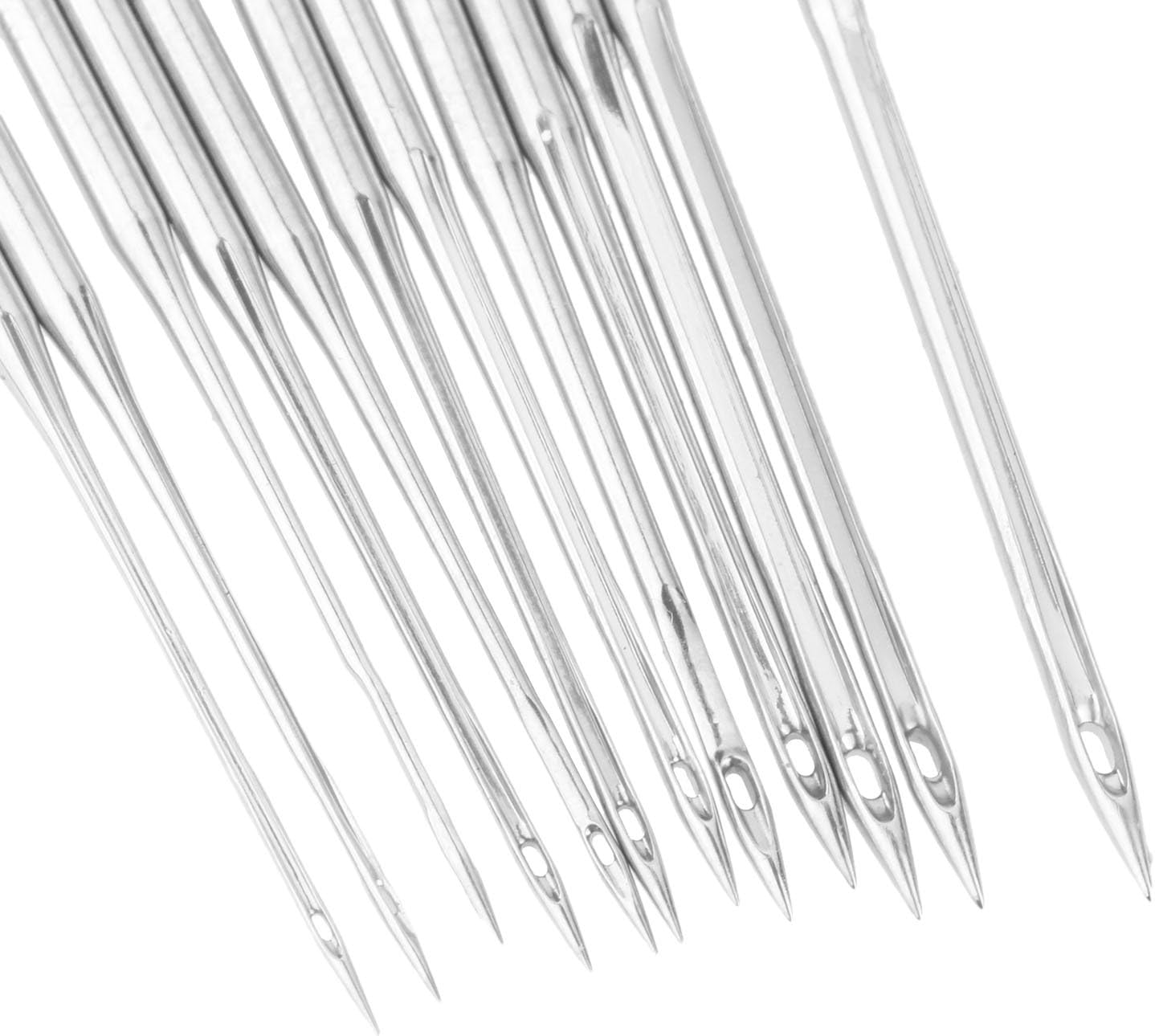
Figure 6: Understanding needle size measurements is key for proper selection and troubleshooting.
7. Specifications
| Attribute | Detail |
|---|---|
| Brand | Hicello |
| Item Length | 1.46 Inches (approx. 37mm) |
| Compatible Devices | Industrial Lockstitch Sewing Machines |
| Compatible Material | Polyester, Silk, Faux Leather, Nylon, Rayon, Leather, Linen, Cotton, Suede, Wool, Acrylic |
| Point Type | Ball Point |
| UPC | 653334420282 |
| Item Weight | 0.64 ounces |
| Manufacturer | Hicello |
| Model Number | SZ070030111700RK-1 |
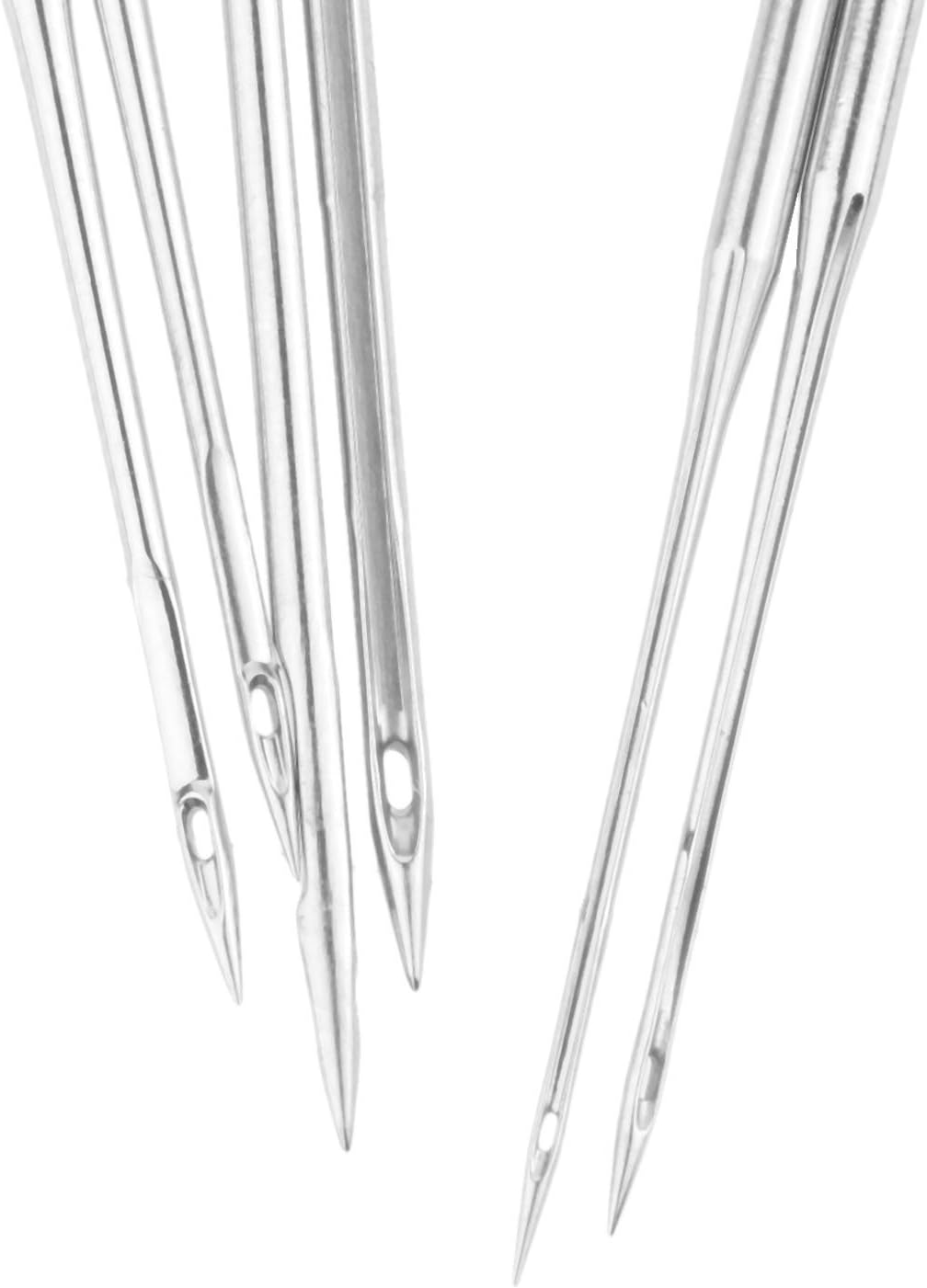
Figure 7: Detailed view of the needle eye and groove.
8. Warranty and Support
For specific warranty information regarding your Hicello DB*1 Industrial Sewing Machine Needles, please refer to the seller's policy at the time of purchase or contact Hicello directly. General return policies may apply, such as a 30-day return period from the date of purchase.
For further assistance or inquiries, you may visit the official Hicello store on Amazon: