
1. Introduction
This manual provides essential information for the proper installation, operation, and maintenance of your Stens Alternator Model 435-237. This unit is designed as a replacement for specific Kubota engine models, including those requiring part numbers 1C011-64013, 1C011-6401-1, 1C011-64010, 12318, and AMT0259. Please read these instructions thoroughly before proceeding with installation or use to ensure safe and efficient operation.
2. Safety Information
WARNING: Always disconnect the battery's negative terminal before working on any electrical system to prevent electrical shock or damage to the vehicle's electrical components.
- Wear appropriate personal protective equipment (PPE), including safety glasses and gloves.
- Ensure the engine is off and cool before beginning any work.
- Avoid contact with hot engine parts.
- Do not attempt repairs beyond your skill level. Consult a qualified technician if unsure.
- Keep children and bystanders away from the work area.
- Ensure all connections are secure and free from corrosion after installation.
3. Package Contents
Verify that all components are present and undamaged upon opening the package:
- Stens Alternator Model 435-237 (with integrated internal regulator)
- Pre-installed pulley
- Instruction Manual (this document)
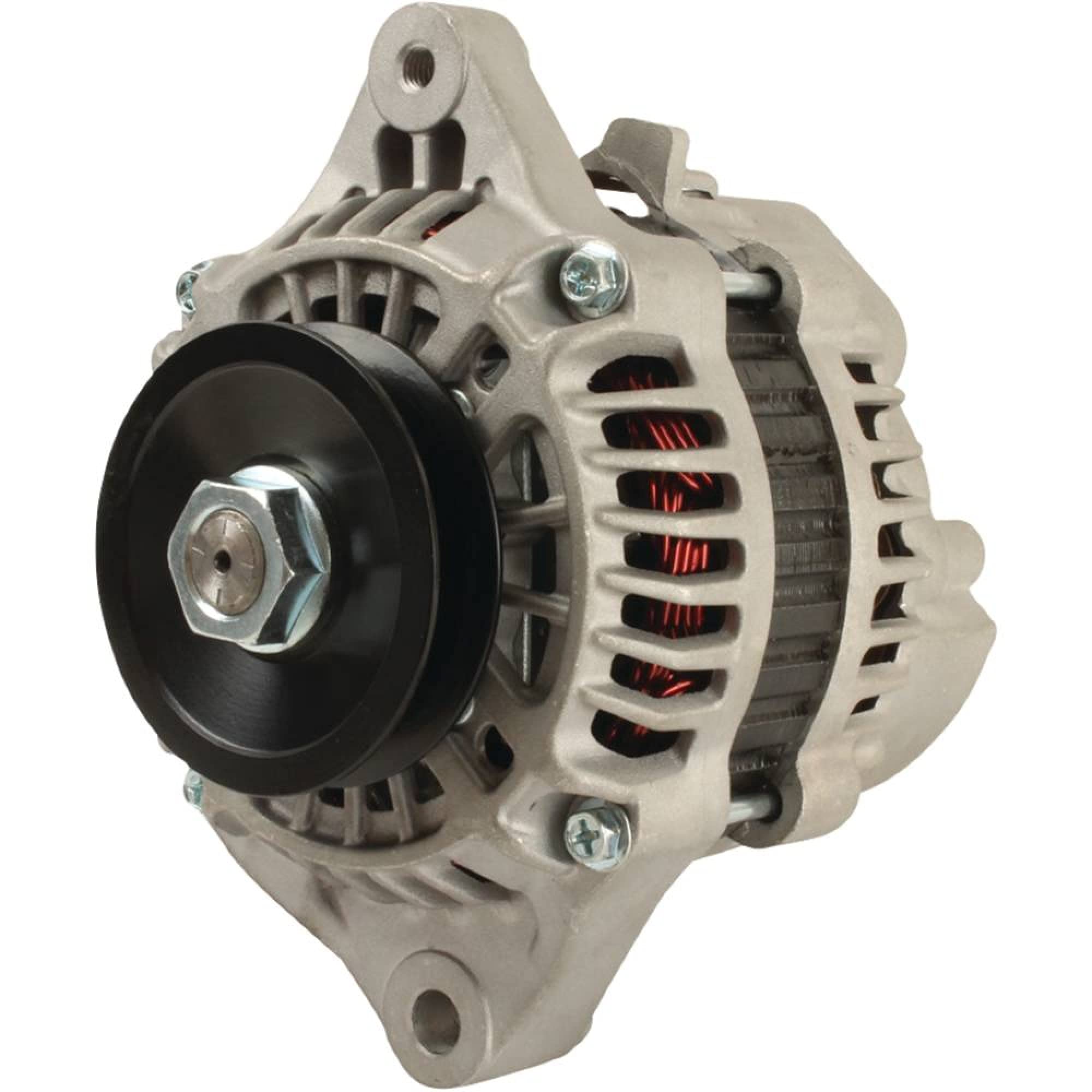
Image 1: Stens Alternator Model 435-237. This image shows the complete alternator unit, including the pre-installed pulley and the housing for the internal regulator.
4. Specifications
| Model Number | 435-237 |
| Voltage | 12 Volt |
| Regulator Type | Internal |
| Pulley Included | Yes |
| Product Dimensions | 8.4 x 8 x 7.5 inches |
| Item Weight | 9.23 pounds |
| Manufacturer | Stens |
| Cross-Reference Part Numbers | Kubota 1C011-64013, 1C011-6401-1, 1C011-64010, 12318, AMT0259 |
5. Installation Guide
This section outlines the general steps for replacing an alternator. Specific procedures may vary depending on your Kubota engine model. Refer to your equipment's service manual for detailed instructions.
- Preparation:
- Park the equipment on a level surface and engage the parking brake.
- Turn off the engine and allow it to cool completely.
- Disconnect the negative (-) battery cable first, then the positive (+) battery cable.
- Locate the alternator on your engine.
- Removal of Old Alternator:
- Carefully label and disconnect all electrical connections from the old alternator. Note their positions for reinstallation.
- Loosen the tensioner bolt and pivot bolt to relieve tension on the drive belt. Remove the belt from the alternator pulley.
- Remove the mounting bolts and carefully detach the old alternator from its bracket.
- Installation of New Alternator:
- Position the new Stens 435-237 alternator onto the mounting bracket.
- Insert and hand-tighten the mounting bolts. Do not fully tighten yet.
- Route the drive belt over the new alternator pulley.
- Adjust the tensioner to achieve the correct belt tension (refer to your equipment's manual for specifications).
- Fully tighten the tensioner bolt and pivot bolt.
- Reconnect all electrical connections to the new alternator, ensuring they match the labels made during removal. Ensure connections are clean and secure.
- Final Steps:
- Reconnect the positive (+) battery cable, then the negative (-) battery cable.
- Start the engine and check for proper charging system operation (e.g., battery light off, voltage meter reading appropriate levels).
- Listen for any unusual noises from the belt or alternator.
- Turn off the engine and re-check all connections after a short period of operation.
Note: If you are not confident in performing this installation, it is recommended to seek assistance from a certified mechanic or service professional.
6. Operating Instructions
The alternator is an automatic component of your engine's electrical system. Once correctly installed, it operates continuously when the engine is running to generate electrical power and recharge the battery.
- Normal Operation: When the engine is running, the alternator should maintain a stable voltage output, typically between 13.8 and 14.8 volts, depending on the system and load.
- Monitoring: Observe your equipment's dashboard for any battery warning lights or voltage gauge readings that indicate a charging system issue. A continuously illuminated battery light or consistently low voltage reading suggests a problem.
7. Maintenance
Proper maintenance can extend the life of your alternator and ensure reliable performance:
- Belt Inspection: Regularly inspect the drive belt for cracks, fraying, or excessive wear. Ensure it has the correct tension. A loose belt can cause insufficient charging, while an overly tight belt can stress alternator bearings.
- Connection Checks: Periodically check all electrical connections to the alternator for tightness and corrosion. Clean any corroded terminals.
- Cleanliness: Keep the alternator free from excessive dirt, oil, and debris, which can impede cooling and affect performance.
- Battery Health: A weak or failing battery can put undue strain on the alternator. Ensure your battery is in good condition and properly charged.
8. Troubleshooting
If you experience issues with your charging system, consider the following common troubleshooting steps:
| Symptom | Possible Cause | Solution |
|---|---|---|
| Battery warning light on | Faulty alternator, loose/worn belt, wiring issue, dead battery | Check belt tension and condition. Inspect wiring connections. Test battery. Test alternator output. |
| Battery not charging | Same as above, or internal regulator failure | Perform voltage test at battery and alternator output. If alternator output is low or absent, replacement may be necessary. |
| Dim lights or electrical accessories | Insufficient alternator output, weak battery | Check battery voltage. Test alternator output under load. |
| Squealing noise from engine | Loose or worn drive belt | Inspect and adjust belt tension or replace worn belt. |
If troubleshooting steps do not resolve the issue, consult a qualified technician.
9. Warranty and Support
For information regarding warranty coverage or technical support for your Stens Alternator Model 435-237, please refer to the official Stens website or contact Stens customer service directly. Keep your purchase receipt as proof of purchase.
Stens Contact Information:
- Website: www.stens.com
- Customer Service: Refer to the website for current contact methods.


