1. Introduction
This manual provides essential information for the proper use, maintenance, and troubleshooting of your NGOSEW Metal Bobbins. These bobbins are designed for compatibility with a wide range of sewing machines, ensuring smooth and consistent thread delivery for various sewing projects. Please read this manual thoroughly before use to ensure optimal performance and longevity of your bobbins.
2. Product Overview
The NGOSEW Metal Bobbins are high-quality, durable components essential for the lower threading system of compatible sewing machines. They are designed to hold the bobbin thread, which interlocks with the needle thread to form stitches.
Key Features:
- Material: Constructed from durable metal for long-lasting performance and resistance to wear.
- Size: "L" size bobbins, a common standard for many industrial and domestic sewing machines.
- Slot Design: Features a slot for easy thread winding and secure thread placement.
- Compatibility: Designed to fit a broad range of sewing machine models from various brands.
Product Images:
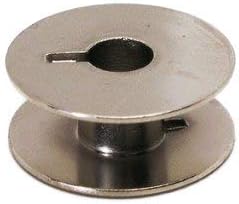
Image 2.1: A single NGOSEW metal bobbin, showcasing its metallic finish and the characteristic slot for thread management.

Image 2.2: A set of ten NGOSEW metal bobbins, demonstrating the quantity typically included in a pack and their uniform appearance.
3. Setup and Winding
Before inserting the bobbin into your sewing machine, it must be wound with thread. The process for winding a bobbin can vary slightly between sewing machine models. Always refer to your sewing machine's instruction manual for specific winding procedures.
General Bobbin Winding Steps:
- Place a spool of thread on the spool pin of your sewing machine.
- Guide the thread through the machine's tension disc for bobbin winding.
- Insert the end of the thread into the small hole or slot on the NGOSEW metal bobbin.
- Place the bobbin onto the bobbin winder spindle.
- Engage the bobbin winder (usually by pushing it to the right or down).
- Start the machine slowly to begin winding. Once a few layers are wound, trim the excess thread tail.
- Continue winding until the bobbin is full, or to your desired capacity. The machine will often stop automatically when the bobbin is full.
- Disengage the bobbin winder and remove the wound bobbin. Cut the thread connecting it to the spool.
4. Operating (Inserting the Bobbin)
Once wound, the bobbin needs to be correctly inserted into your sewing machine's bobbin case or bobbin compartment. The method of insertion depends on whether your machine uses a top-loading (drop-in) bobbin system or a front-loading (removable bobbin case) system.
General Bobbin Insertion Steps:
- For Top-Loading Bobbins:
- Open the bobbin cover plate on the needle plate.
- Insert the wound bobbin into the bobbin compartment, ensuring the thread unwinds in the correct direction (usually counter-clockwise for most machines, but check your machine's manual).
- Guide the thread through the tension spring or guide slot as indicated by your machine's markings.
- Replace the bobbin cover plate.
- For Front-Loading Bobbins (with Bobbin Case):
- Remove the bobbin case from the machine.
- Insert the wound bobbin into the bobbin case, ensuring the thread unwinds in the correct direction.
- Pull the thread through the tension spring on the bobbin case until it clicks into place.
- Reinsert the bobbin case into the machine, ensuring it is securely seated.
Important: Incorrect bobbin insertion or thread direction can lead to skipped stitches, tangled thread, or poor stitch quality. Always consult your specific sewing machine's manual for precise instructions.
5. Maintenance
Proper maintenance of your NGOSEW Metal Bobbins will extend their lifespan and ensure consistent sewing performance.
- Cleaning: Periodically inspect bobbins for lint, dust, or thread residue. Clean them with a soft brush or lint-free cloth. Avoid using harsh chemicals or abrasive materials.
- Storage: Store bobbins in a clean, dry place, preferably in a bobbin storage case to prevent them from unraveling or getting tangled. Keep them away from excessive heat or moisture.
- Inspection: Before each use, quickly inspect bobbins for any signs of damage, such as bends, nicks, or burrs. Damaged bobbins can snag thread or damage your sewing machine. Replace any damaged bobbins immediately.
6. Troubleshooting
If you encounter issues related to bobbin performance, consider the following common problems and solutions:
| Problem | Possible Cause | Solution |
|---|---|---|
| Thread tangling or nesting on the underside of fabric. | Incorrect bobbin insertion, incorrect bobbin thread tension, or upper thread tension issues. | Re-insert the bobbin correctly, ensuring thread unwinds in the right direction. Check and adjust bobbin tension (if adjustable) or upper thread tension. Clean bobbin area. |
| Skipped stitches. | Bobbin not seated correctly, damaged bobbin, or incorrect needle. | Ensure bobbin is fully seated. Inspect bobbin for damage and replace if necessary. Verify needle type and size are appropriate for fabric and thread. |
| Uneven stitches or poor stitch quality. | Incorrect bobbin tension, lint in bobbin case, or damaged bobbin. | Clean the bobbin case and surrounding area. Check bobbin tension. Ensure the bobbin is not bent or damaged. |
| Bobbin thread breaking frequently. | Over-wound bobbin, burrs on bobbin, or excessive bobbin tension. | Do not over-wind bobbins. Inspect bobbins for burrs and replace if found. Reduce bobbin tension if possible, or check upper thread tension. |
Note: Many bobbin-related issues are often linked to the sewing machine's settings or cleanliness. Always refer to your sewing machine's manual for comprehensive troubleshooting.
7. Specifications
| Attribute | Detail |
|---|---|
| Product Type | Metal Bobbins |
| Bobbin Size | "L" Size |
| Material | Metal |
| Part Number | 55623S, 616513, 100376051, 111533200, 100376-053, SA159, 4160555-01, 55623, 761094104, 761094115, A9117-007-000, 48794B657074, 48794B657084, H12413002, A9851D250A0 |
| Compatibility (Examples) | Babylock BL3000, BL4000, BL500A Jane, BL510A, BL5000, BL5020, BL7000, BLQP, BMP9, BNAL Alliance, BNT10, EMP6; Bernnina 1000, 1000+, 1001, 1070, 1080; Bernette 320, 330, 340, 430, 440; Brother PR600II, PR620, PR650, PQ1300, PQ1500, PQ1500SL, PQ1500SLPRW, PQ1500S Nouvelle, PR1000, PR1050X Entrepreneur, XL700, XL703; ELNA 100, 1000, 101, 102, 103, 104, 7100, 940; PFAFF 1200; RICCAR 2600, 2800, 2900, 2950, 3300, 3400, 3500, 3600, 4001, 4003, 414, 420, 500, 515, 525, 550, R551, R552, 555FA, 570, 572, 606, 651, 666FA, 777, 800R, 805, 806, 807, 808E, 8400, 8500, 888, 906E, 9150, 9160, 9600, 9700, 9800, 9900, R650, R751, RE570, RE571, RE580, RE591, RE640, RM540, RM570; SINGER 206, 206K, 20U, 20U33, 251, 281, 306K, 306W, 319; VIKING Mega Quilter & 2840; JUKI DDL-227, DDL-5530, DDL-555, DDL-5550, TL-98E, TL-98Q, TL-98QE; JANOM (New Home) 1600P, 1600P-DB, 1600P-DBX, 1600P-QC, 1600 SERIES, MB4; NECCHI 543 & Mirella; CONSEW 210, 220, 230, 2230, 231, 99, 103, 105, 292, 199R. |
8. Warranty and Support
Specific warranty information for NGOSEW Metal Bobbins is not provided within this manual. For details regarding product warranty, returns, or technical support, please refer to the retailer's policy where the product was purchased or visit the official NGOSEW website.
You may also contact NGOSEW directly through their official channels for assistance with product inquiries or support needs.
NGOSEW Store Link: Visit the NGOSEW Store on Amazon